
Explore effective teaching strategies, tools, and resources. Discover ideas to enhance classroom practices and inspire student success.
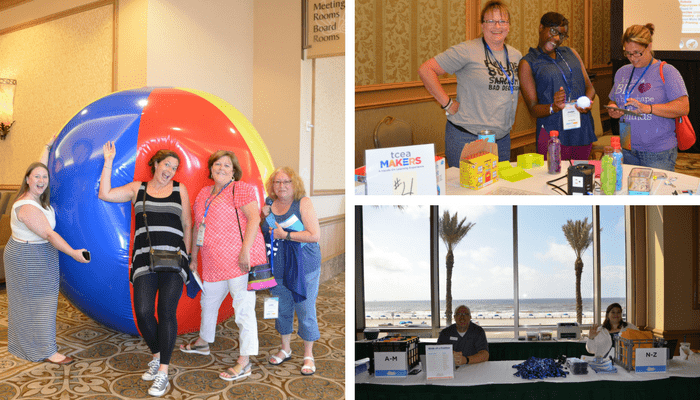
It’s a beautiful day for learning here in Galveston, Texas at the Tots and Technology summer conference. We’re excited to empower elementary educators to transform learning with two days of innovative professional development. The conference officially starts tomorrow, but today many educators showed up excited to supercharge their Tots experience with our interactive pre-conference workshops.
These workshops are very hands-on and last three hours, allowing the participants to dive deep into the learning and content. Teachers get to experience the engagement that can come from the thoughtful integration of technology in the PreK-5 classroom. We wanted to share with you a few photos and ideas from two of these sessions for our readers who couldn’t be here in person. We hope you’ll be inspired to create some of these experiences in your own schools.
Making Elementary Collaboration Easy
Fostering collaboration and encouraging students to work together is something most PreK-5 teachers strive for. Of course, the best way to get a class or small group working collaboratively is to give them a project they can really sink their teeth into. It needs to be challenging and engaging enough that they must pool their resources to find a solution. Teachers in the “Collaborative Projects for Elementary Students” session discovered some powerful project ideas to get students happily working toward a common goal.
Teachers collaborating in a Tots pre-conference session.
And teachers didn’t just learn about the projects. They had a chance to try them out. They worked together in small groups and quickly got to know their fellow educators and team mates. They then moved through six stations and created projects together using different technology tools. Later, they posted their creations publicly on a shared blog, further collaborating with the larger group. You can be part of their collaboration and check out some of their creations too! Groups created animations, recordings with green screens, and more. They were given instructions to complete their project, but had to work together as a team to brainstorm how they would accomplish it with the technology available at each station.
Making Is for All Ages
At the “Making in the Elementary Classroom” workshop, educators got to try out 11 different maker places. They were introduced to some of the simplest tools for starting a makerspace, like the remarkable versatility of reusing cardboard and k-cups. They also saw some of the more complex tools like beebots and Osmos in action.
An aspiring maker discovering the power of cardboard.
More importantly than just seeing the technology or being inspired by new ideas for creating makerspaces of their own, they also got a crash course in what making is really about. They spent their time in the session working at different stations to create whatever they wanted. At first, they experienced some trial and error and the careful following of instructions. A teacher learning to use the 3D doodler carefully followed a suggested template to make a 3D signature. However, after working with the tool a little longer, she started to go off book. This is the true spirit of making. Educators learned not just a set of tools they can use with their students, but a way of thinking. Making is about trying and failing and exercising one’s creative energy.
Ready to Join In?
Want to experience these very workshops in person to get even more tips and ideas for the elementary classroom? Our PD team will be bringing these sessions back at Tots and Technology Arlington in July. You too can experience hands-on learning by doing, collaborate with peers, and make some incredible creations. Learn more and register here.

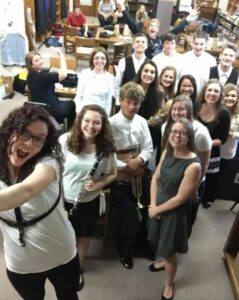

 What would you add to the list? Has your school or department created a parody of a song to showcase the work that you do? If so, share it in the comments below and let others enjoy your production. In the meantime, if you hear singing while you are waiting for the elevator, it might just be me.



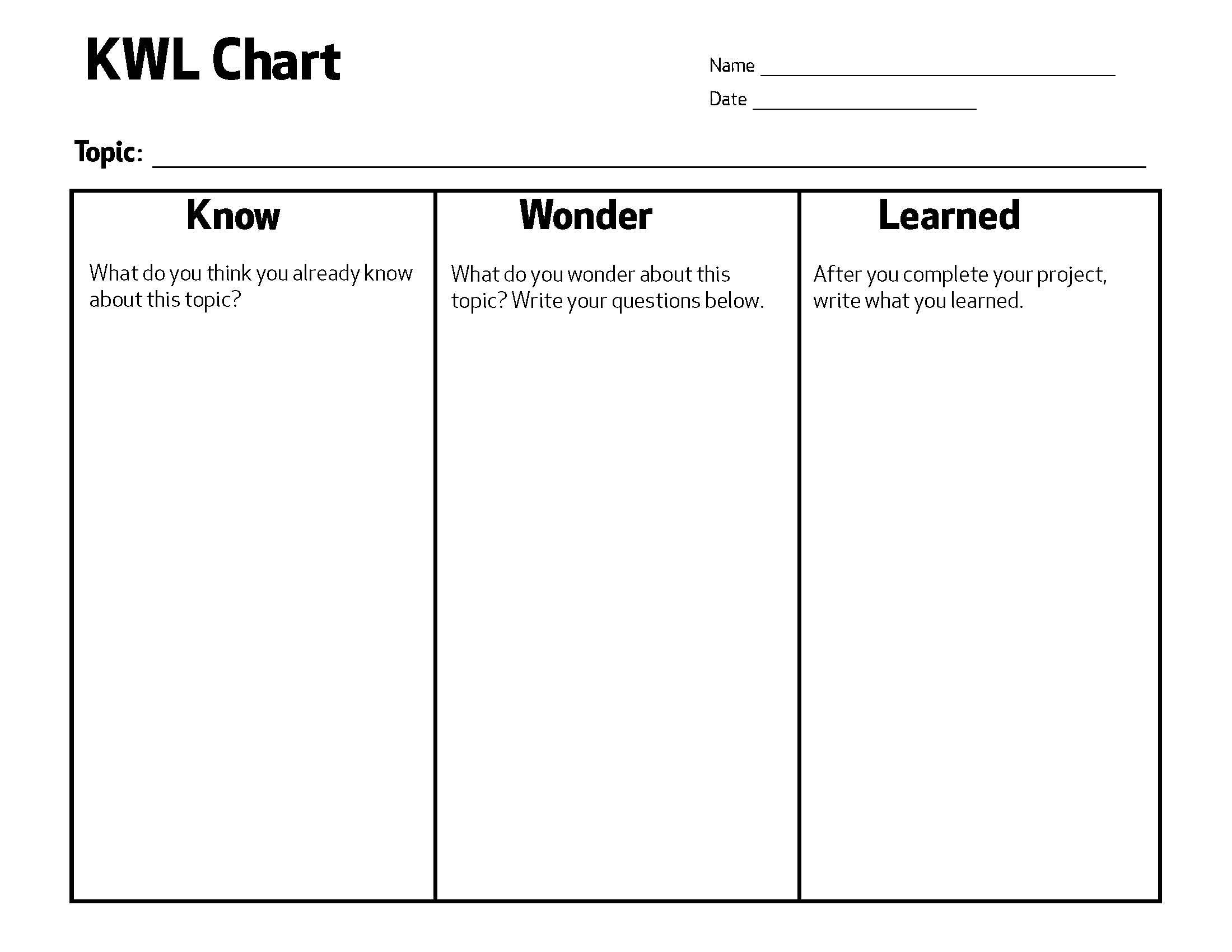 In the past, good teachers tried to get students more curious about the learning by having them complete a KWL chart. At the beginning of a new unit, this chart has a student make a list of what he already KNOWS about the topic, what he WANTS to learn about it, and then, after the unit is over, what he LEARNED.
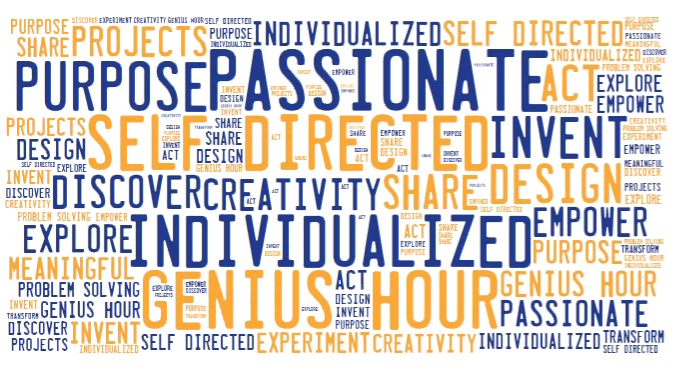
 There’s been a lot of discussion over the last year about implementing genius hour in the classroom. Genius hour is the strategy of giving time for students to do self-directed learning on interests that they are passionate about. Google regularly provides employees 20 percent of their work week that can be devoted to “passion projects,” believing that this will better engage the staff and make them more excited about all of their work. There is nothing magical about the “20 percent” number; it’s more important that you give students some time for open-ended learning in which they can pursue their own interests. Here are a few resources to help you get started integrating this educational trend into your classroom.