Discover resources and strategies for professional learning. Explore tools, tips, and opportunities to enhance educator growth and development.
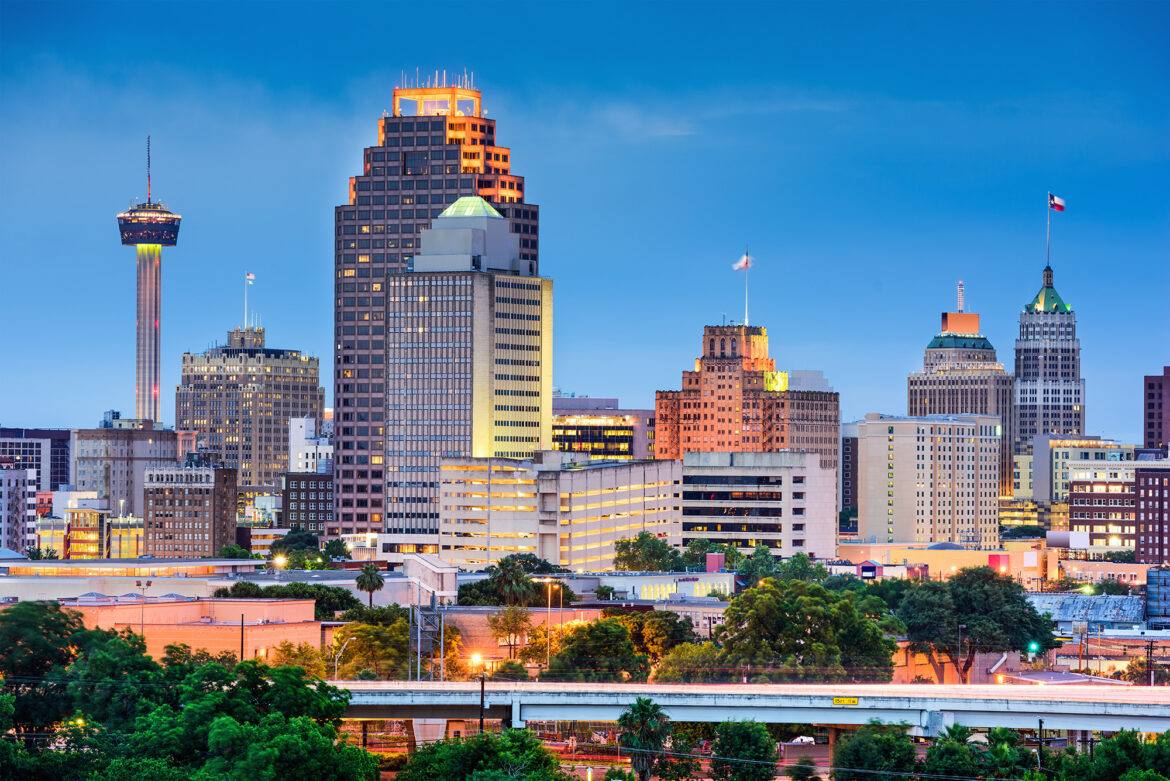
Registration for the TCEA 2019 Convention & Exposition will open on September 13. In other words: exactly one week from today! I know you’re excited to get officially registered so you can start planning what sessions you’ll attend, what exhibitors you’ll check out, and of course…where you’ll be staying. Once you officially register, you will able to make your hotel reservations. Reservations are compared to the list of those who have registered, so please make sure you are registered as an attendee for the convention first before getting your rooms.
This year, we have 13 hotels that are offering reduced rates for our convention attendees. I’m here to share a few insider tips to make sure you find exactly the right fit during your stay in San Antonio.
Be Hosted by the Convention’s Host Hotel
If you like to be in the middle of the action, you will definitely want to consider the Grand Hyatt. This is the convention’s host hotel, and it’s conveniently connected to the convention center. As the host hotel, other convention-related activities and vendor-hosted events will take place here. Unfortunately, while the hotel is quite large, it doesn’t have enough rooms for all of our incredible attendees. Luckily, there are a dozen other hotels to choose from, each with their own advantages.
Seeing Double
When making your reservations, be sure you are selecting the correct hotel. There are a few brands that have multiple hotels on the list.
For example, don’t confuse the Marriott Rivercenter and the Marriott Riverwalk. These hotels are located across the street from one another. They are both adjacent to the convention center, making these the next best option if you want to be as close to the convention excitement as possible.
The Marriott isn’t the only hotel group with two properties. In addition to the Grand Hyatt mentioned above, there is also the Hyatt Regency. This hotel is perfect for the attendee who wants to spend his/her evenings enjoying the River Walk. From the Hyatt, you can walk to many of the premier River Walk restaurants: Boudro’s, Saltgrass, Landry’s, County Line, and Hard Rock Cafe, to name just a few.
(Side note: Stay tuned for my next blog which will give you the inside scoop on all of the fantastic restaurants in San Antonio.)
Historic Hotels
There is one more set of hotel twins on the list, and these two properties are ideal for those that prefer their hotels with a story. There are two Drury hotels: The Drury Inn and Drury Plaza. The Drury Plaza is a unique building that was once a bank. Much of the architecture is from the original building. You’ll experience this throughout the hotel, starting with the guest check in which uses the original bank teller windows.
Located on the other side of the river, The Drury Inn is also an historic landmark. It’s the first commercial office building in downtown San Antonio to face the river, and it has been restored to resemble its original 1920s facade.
While I have walked to the convention center from both of the Drury hotels many times, the half-mile walk can be a stretch. TCEA will provide shuttle service to and from the convention center for both hotels. Even if you’re not a hotel history buff, why choose the Drury hotels? For the FREE hot breakfast and 5:30 Kickback® included each day.
There are other historic hotels to choose from as well. The Hilton Palacio del Rio is recognized for how quickly, and how it was originally built. All rooms were actually built on a site seven miles away from the hotel, complete with furniture, carpeting, lamps, TV’s and even a Bible in the night stand. Then, each room was brought in and stacked on top of each other around a tower built in the middle of the hotel.
The Menger Hotel, located steps from the Alamo, is the oldest continuously operating hotel west of the Mississippi. Although it has been upgraded with modern touches, the rich Victorian architecture remains glamorous throughout.
Omni La Mansion dates back to 1852. It originally served as a school campus and later housed St Mary’s University School of Law.
More Bang for Your Buck
The Drury hotels are not the only hotels with a free breakfast. The La Quinta is the hidden treasure among the convention hotels. This gem is located across from the convention center and has surface lot parking, perfect for those large Texas trucks and SUV’s. This is the flagship hotel for the brand constructed in 1968 for the World’s Fair, and it’s unlike any other La Quinta you’ve stayed in before.
I once was told that La Quinta means “Next to Denny’s.” While that might not be linguistically accurate, it’s certainly true in this case. There’s a Denny’s right in the same parking lot. So, you can have your free breakfast (and signature Texas-shaped waffle) at the La Quinta, or you can indulge in the 10-page, budget-friendly menu next door anytime of the day.
At a Glance
This blog doesn’t cover all of the hotels, so don’t make your decision just yet. You can find the full list, map, and prices for each hotel on the convention website.
Tips and Tricks for Making Your Reservation
Okay, you have your hotel picked out and are ready to make a reservation. Here’s what you need to know.
- TCEA uses a housing bureau to manage the hotel reservation process. Orchid Events is the official housing partner for the TCEA Convention & Exposition. You cannot access the discounted rates by contacting the hotels directly. The link to make a hotel reservation is on your convention registration confirmation. If you haven’t registered for the convention, you will not have access to the link.
- You can reserve a maximum of five hotel rooms per reservation. Yes, this means that you can make the reservations for others that are attending with you all in one easy process.
- A credit card is required to make your hotel reservation. You can pay by check when you arrive, but you must have a credit card to confirm your reservation. Some hotels will charge a deposit of one night’s room and tax fee. This will be listed in the description/details for each hotel.
- If you cancel your hotel reservation after November 15, you will be charged one night’s room and tax as a cancellation/processing fee. There is no penalty for changing hotels within the designated convention hotel list, name(s) on a reservation, arrival, or departure dates.
Pro Tip
If you are attempting to make a reservation and yield no results or limited results in your search, it could be because your query did not match the inventory. For instance, if you are arriving on Sunday and departing on Friday and it shows no rooms available, it may be that one of the days is not available at the discounted rate. I recommend you make a reservation for the available dates at your preferred hotel. You can be wait listed for the missing night(s). The wait list is monitored daily and is cleared as quickly as possible.
After September 13, contact Orchid Events for help with the reservation process.
Phone: 844-443-7241 or 801-428-3261
Email: help@orchid.events
I hope you found this hotel guide helpful as you make your plans for February. I want to make sure you get a good night’s sleep so you can get Fully Charged by day. As always, you can contact me or any of our team at TCEA if you need anything as you prepare for the 2019 TCEA Convention & Exposition in San Antonio.



 Before we jump into responses for getting a chat going, allow me to share an excerpt of Cathy Wassell’s article on the subject. In her article,



 Of course, I can tell you about these and all our other benefits until I’m blue in the face. But I’ve found that the greatest spokesperson for TCEA and all that we can offer is…you.




 We have the opportunity to work with so many people on a regular basis. Many of them show great potential in becoming leaders if they had someone to walk along side them and help develop those skills. As
  When you see skills in others, be sure to let them know that you recognize those attributes and encourage them in using those skills. You may be the lone voice that ignites a desire for them to make a difference on a larger platform. If you have an idea of where that skill may be needed or may be a great asset, then say something like, “You are really good at explaining complex problems in a way that is understandable. Have you ever thought of a job in ____?” By articulating the skills that you see in them and sharing what a possible career trajectory might be for them in making use of that skill, you may inspire them to start considering additional growth opportunities.