Howdy, folks! Welcome to another in a series of periodic ed tech news roundups. We hope you enjoy this one, and if you have a story you’d like to see included, let us know.
2020 Visions
Early in the year, experts, publications, and educators are thinking to what 2020 might bring to education.
- Talia Milgrom-Elcott explores four major trends the education entrepreneur expects to play a crucial role in shaping education this year. [Forbes]
- Education journalists identify five trends of their “factors that will drive education in the coming year.” [Education Drive]
Automation Nation
- Former educator and education writer Jill Barshay explores the ways in which artificial intelligence can be used to make teaching more efficient — and what’s possible today. [The Hechinger Report]
- Ed tech consultant Carolina Milanesi reports on the latest trends in AI, how it might drive education forward, and how it will affect the teachers of the future. [Forbes]
Listening to Learn
Recorded books aren’t new, but the rise in popularity of audio books on connected devices has also seen audio books integrated into the learning process more broadly. Now we’re beginning to measure the effect and impact of audio books in schools.
- A new study published in the Journal of Neuroscience shows that listening to audio can “light up” the same areas of the brain that are used when reading. [Discover]
- Journalist Melissa Pandika reviews recent research on audio books and asks the question: Does listening to a book “count” as reading it? [Mic]
… And Finally
Viral challenges have been popular for years now. Some raise money for charity, some are just for fun. Still others can cause trouble — like when an attempt at the “Outlet Challenge” caused electrical damage in an Amarillo-area school. [KVII Amarillo]
Photo: Vidar Nordli-Mathisen
 You have probably already heard of Flipgrid and perhaps even started using it, at least to some degree. It definitely seems to be the perfect tool to support students in many ways, not to mention using it as a way to provide peer- and content-support to teachers.
 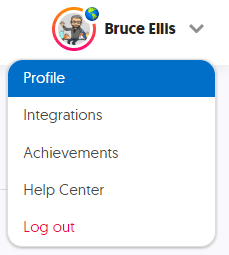 Begin by making sure that your profile is updated. Don’t be shy. This will allow others to better connect with you. Click on your image in the top right and select Profile. Select a photo or avatar for your profile picture. If you have a picture that has a busy background or you want to use a quick editing tool to remove the background (as I did on my
 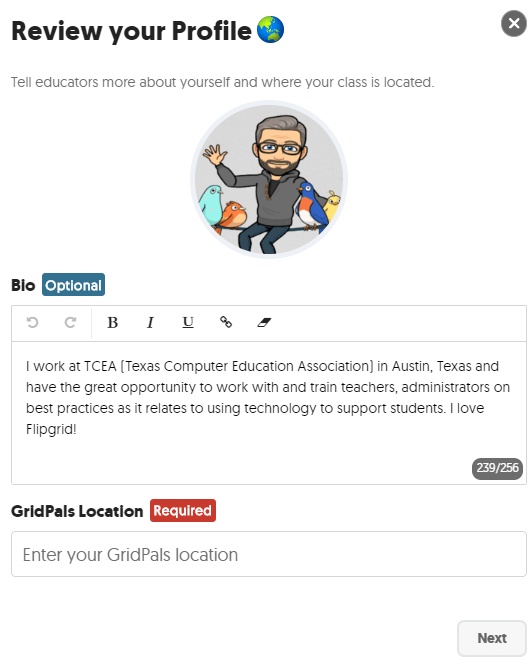 GridPals is, as you may have deduced, Flipgrid’s version of pen pals. It’s a super easy way to connect with other educators and enthusiasts to further learning and improve education.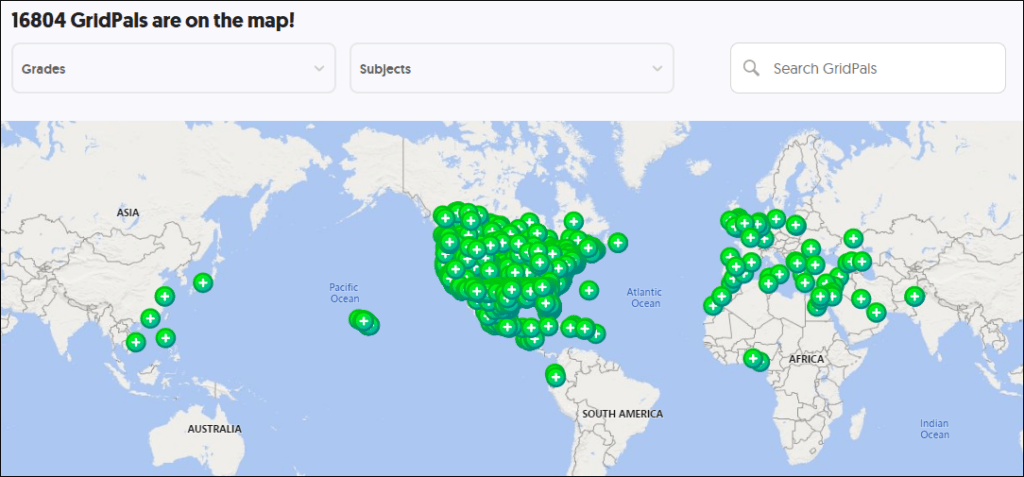
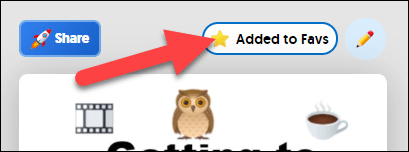 Featured Disco Playlists are sets of topic templates provided by various organizations such as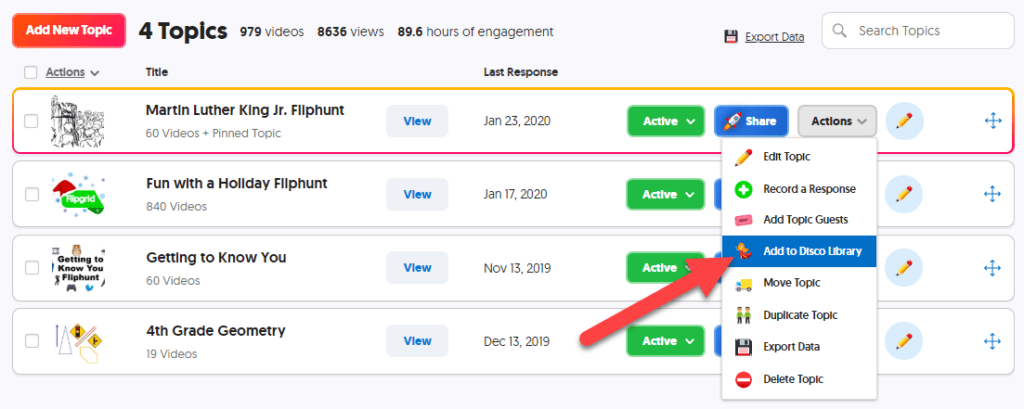
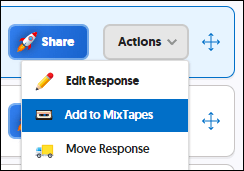 No, this isn’t creating mixtapes on cassettes like we might have done back in the ’80s and ’90s to give to someone special. This is a whole new way of sharing — but based on the same principle.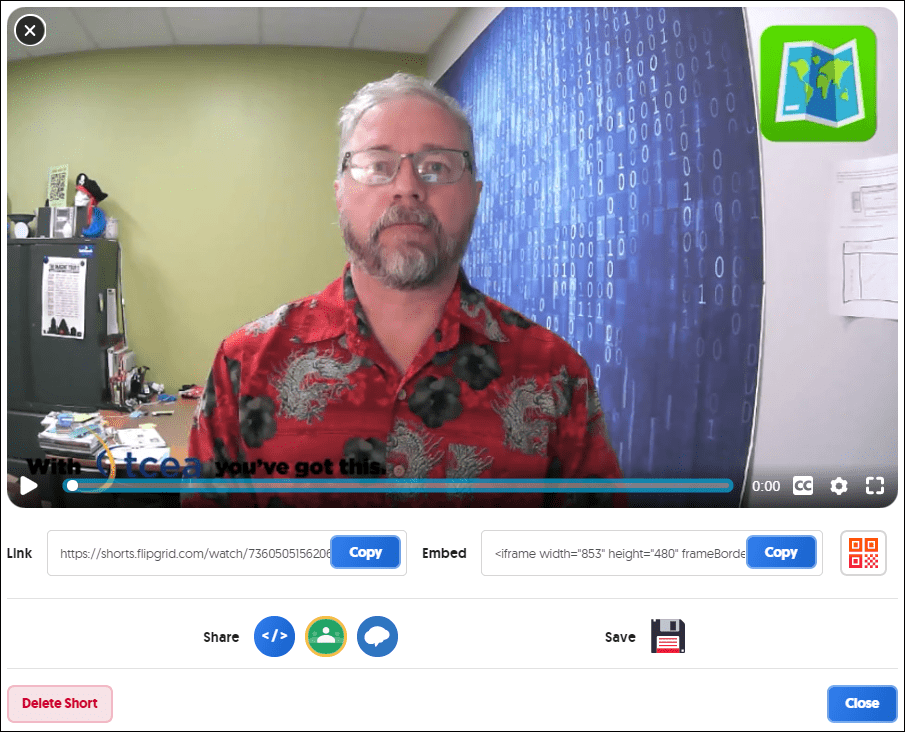
 So how do you use Flipgrid? Which feature(s) have you found to be the most impactful? Even if you haven’t had a chance to use Flipgrid, have you come across an innovative way to incorporate it in the teaching and learning process or in professional development? We’d love to hear from you!