Amazon Web Services (AWS) has provided a host of free and informative resources for educators and students that are focused on preparing the future cloud workforce. With the increasing demand for cloud employees, AWS Educate provides an academic gateway for the next generation of IT and cloud professionals. AWS Educate is Amazon’s global initiative to provide students and educators with the resources needed to accelerate cloud-related learning. What’s even better is that they have personalized these resources for TCEA’s members.
AWS Educate
Designed for students aged 14 and older around the world, the content at the website is rich and is also free. The program offers students access to self-paced content designed to introduce cloud computing technologies that drive innovation in fields such as artificial intelligence, voice and facial recognition, gaming, medical advancements, and more. For teachers, the site provides facilitator guides to help you lead conversations with your students, run supplemental activities, and provide resources for continued learning outside the classroom. Each guide includes how the challenge aligns to the Computer Science Framework from K12cs.org, background information on the challenge topic, a glossary, and focus questions.
Student Badges
AWS Educate also provides opportunities for students to earn badges by completing self-paced, online curriculum units. The Cloud Explorer Badge is a great place for students who are newer to computer science. Curious about building and sharing games online? Complete interactive challenges that let students explore concepts like algorithms, programming, and cybersecurity through real-world examples. The Cloud Explorer Badge and corresponding facilitator guides are aligned to the K-12 Computer Science Framework for grades 6 through 8.

The Cloud Inventor Badge is designed for students who understand computer science basics and are ready to expand their knowledge with more in-depth challenges on cloud technology. Expanding on AP Computer Science concepts like how variables, big data, and more are used in the cloud today to create the world of tomorrow, the Cloud Inventor Badge and corresponding facilitator guides are aligned to the K-12 Computer Science Framework for grades 9 through 12.
The Cloud Builder Badge is for students students who are ready to start building in the cloud. This badge covers the AWS console and services by starting to create on AWS through challenges and hands-on activities like building a website. Learners will discover how the cloud sparks innovation in a variety of industries, putting themselves in the shoes of a cloud engineer. There are also even more advanced opportunities for online learning available.
How to Get Started with Cloud Computing
Join today to start your and your students’ cloud learning journey and receive up to $200 in AWS Promotional Credits. TCEA educators will also receive automatic enrollment in the Cloud Basics Classroom, which enables you to invite up to 100 of your students to join the classroom and get their own AWS Educate benefits. And again, all of this is completely free to educators.

 We had some huge wins in the area of computer science and computational thinking this session. Our six-year goal of providing weighted funding for the 9-12 Technology Application courses has finally been achieved. In HB 3, the school finance legislation, the weighted funding for CTE was changed from grades nine through twelve to grades seven through twelve. In addition, the
  There are two pieces of legislation that are going to impact educational broadband. The first is HB 1960 which creates a Governor’s Broadband Council that will advise the governor on issues related to broadband access to unserved areas. This is progress, but not as much as we hoped for. There are few, if any, areas of Texas that are unserved. The original bill included underserved areas, but heavy lobbying by the large telecommunication companies eliminated that language from the bill. However, we consider this progress because we finally have some entity at the state level that will look at the state’s needs for broadband from a strategic perspective. For too long, all state entities have tried to provide affordable, scalable broadband for their own purposes when it would be much more cost efficient to survey the needs across agencies and entities and design a plan to meet all the needs. HB 1960 at least establishes a council that could do this in the future, if given the authority.
 There are several opportunities in the bills mentioned above that will provide professional development in digital learning. The Blended Learning Grants are largely designed to provide professional development for educators in blended learning, not to mention the funding provided to UTeach to continue to provide this type of training to Texas teachers. Also, this is a good chance to remind districts that the TIMA may be used to provide professional development on the use of technology. In addition to these bills, the legislature passed HB 2424 that requires the SBEC to establish rules to create microcredentials in fields of study related to an educator certification class. This was one of TCEA’s legislative priorities, so we are excited to see this bill pass.
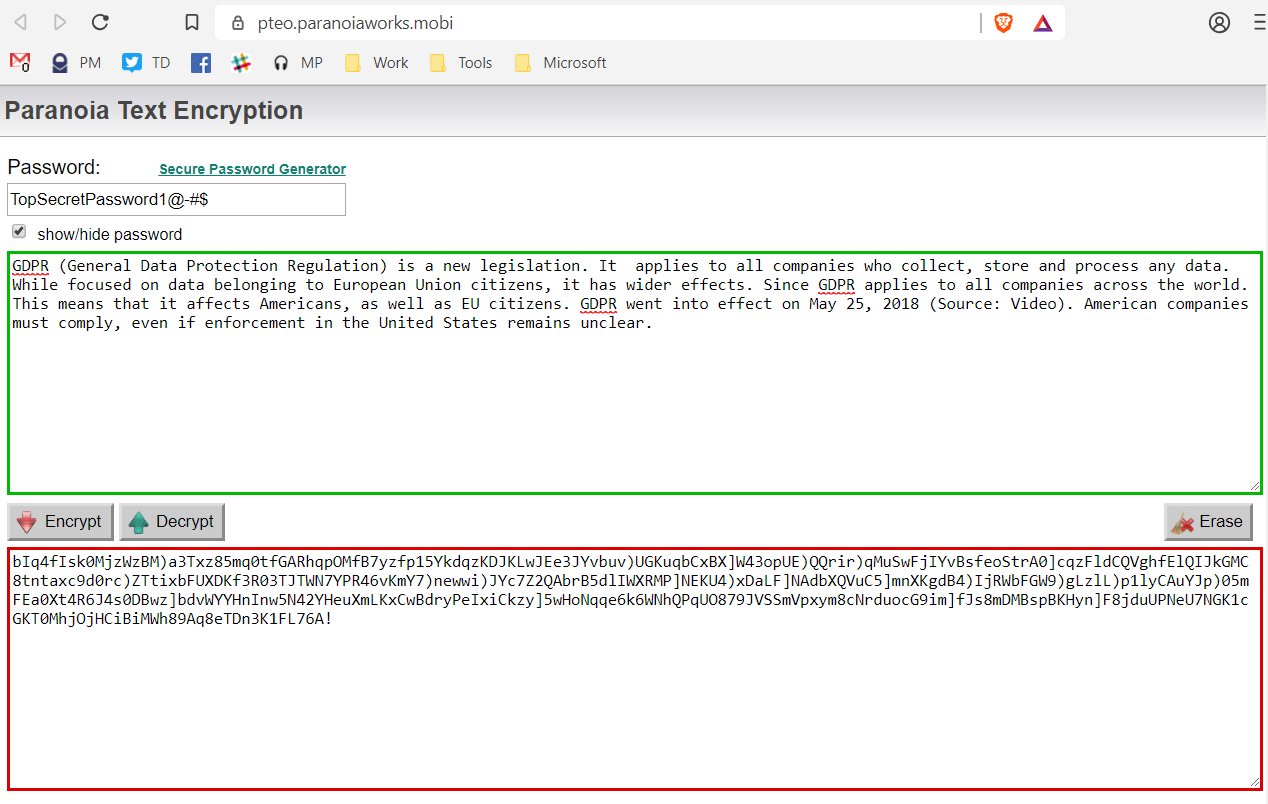
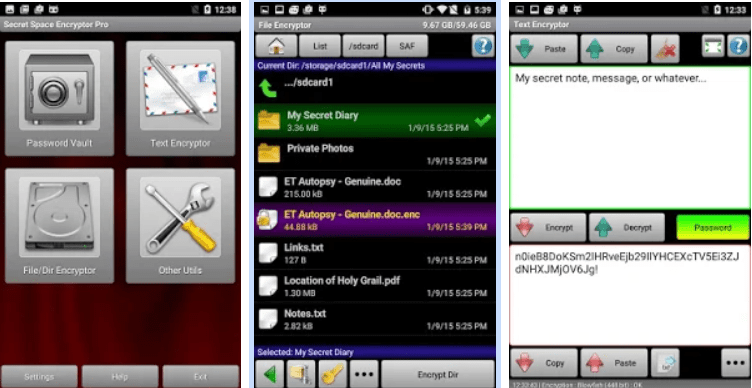
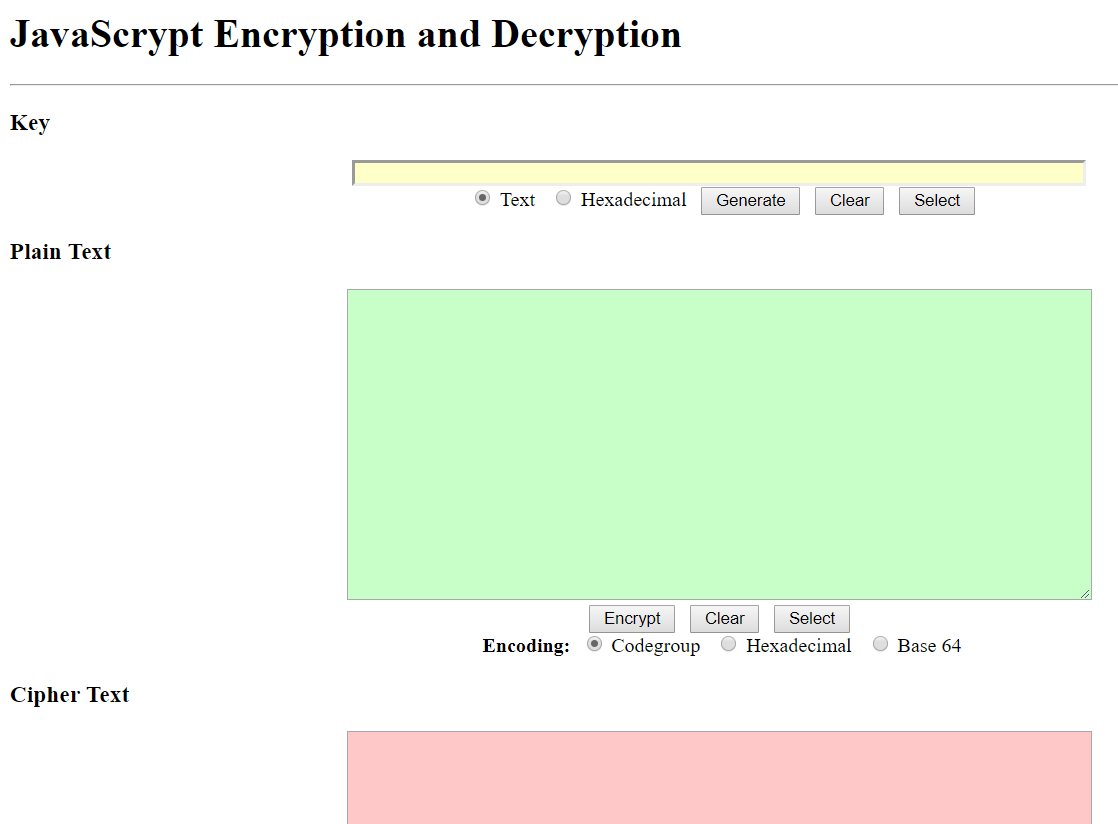
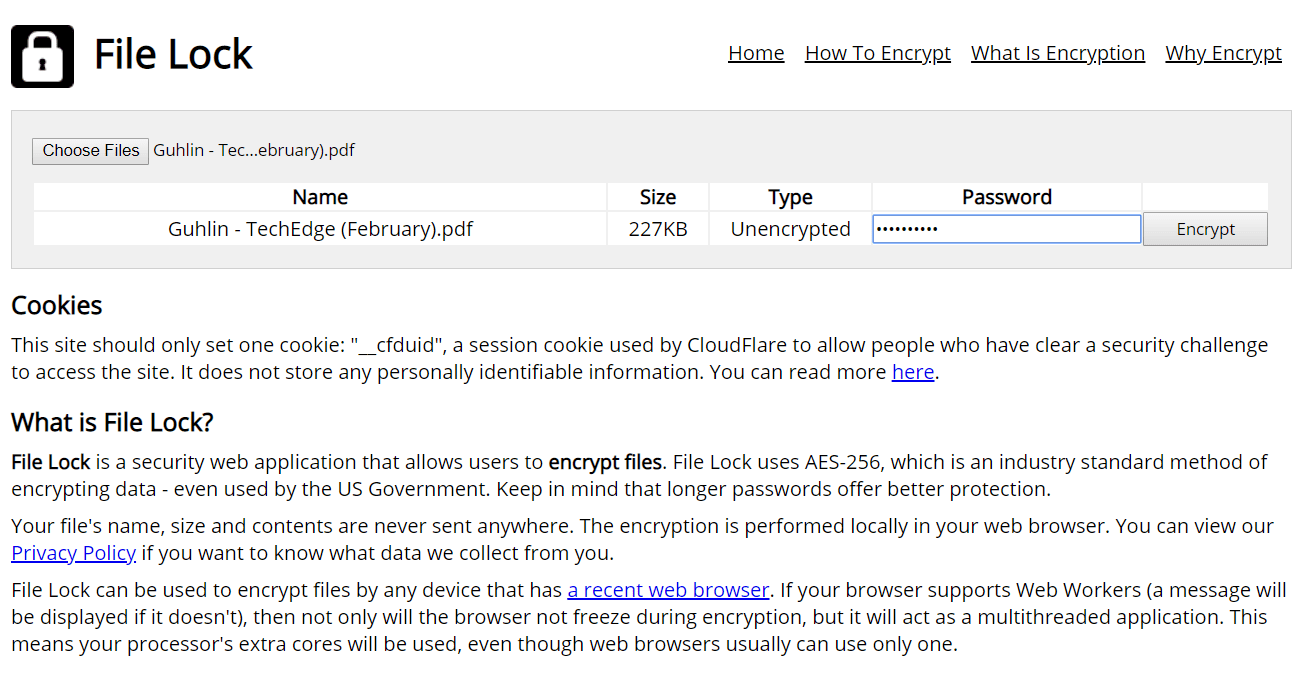

 As of 2004, Cyber Security Awareness Month has been celebrated in October. This month is sponsored by a division within Homeland Security (the
 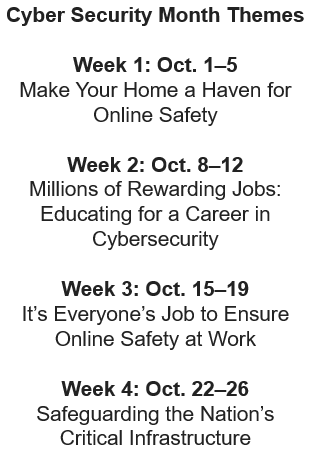 Weekly Security Themes