Explore podcasts on education and technology. Discover insights, tips, and strategies to enhance teaching, learning, and professional growth.
Meghan Whittaker of the National Center for Learning Disabilities is our guest speaker this week. She explores a new toolkit from NCLD all about mindsets, tools, and best practices for distance learning for students with learning differences.
Distance learning toolkit: Key practices to support students who learn differently (PDF)
Extra credit
Check out the 2021 Elementary Technology Conference.
Send your questions and ideas about future episodes to podcast@tcea.org.
Facebook: facebook.com/tcea.org/
Twitter: @TCEA
Instagram: tcea_org
Pinterest: tceaorg
Music by Unicorn Heads
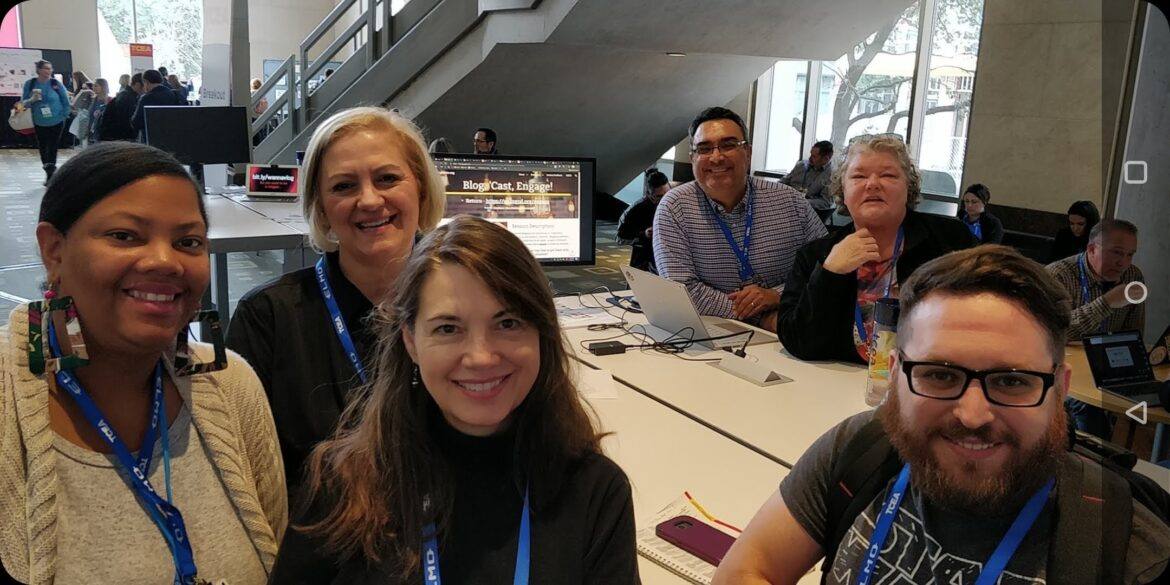
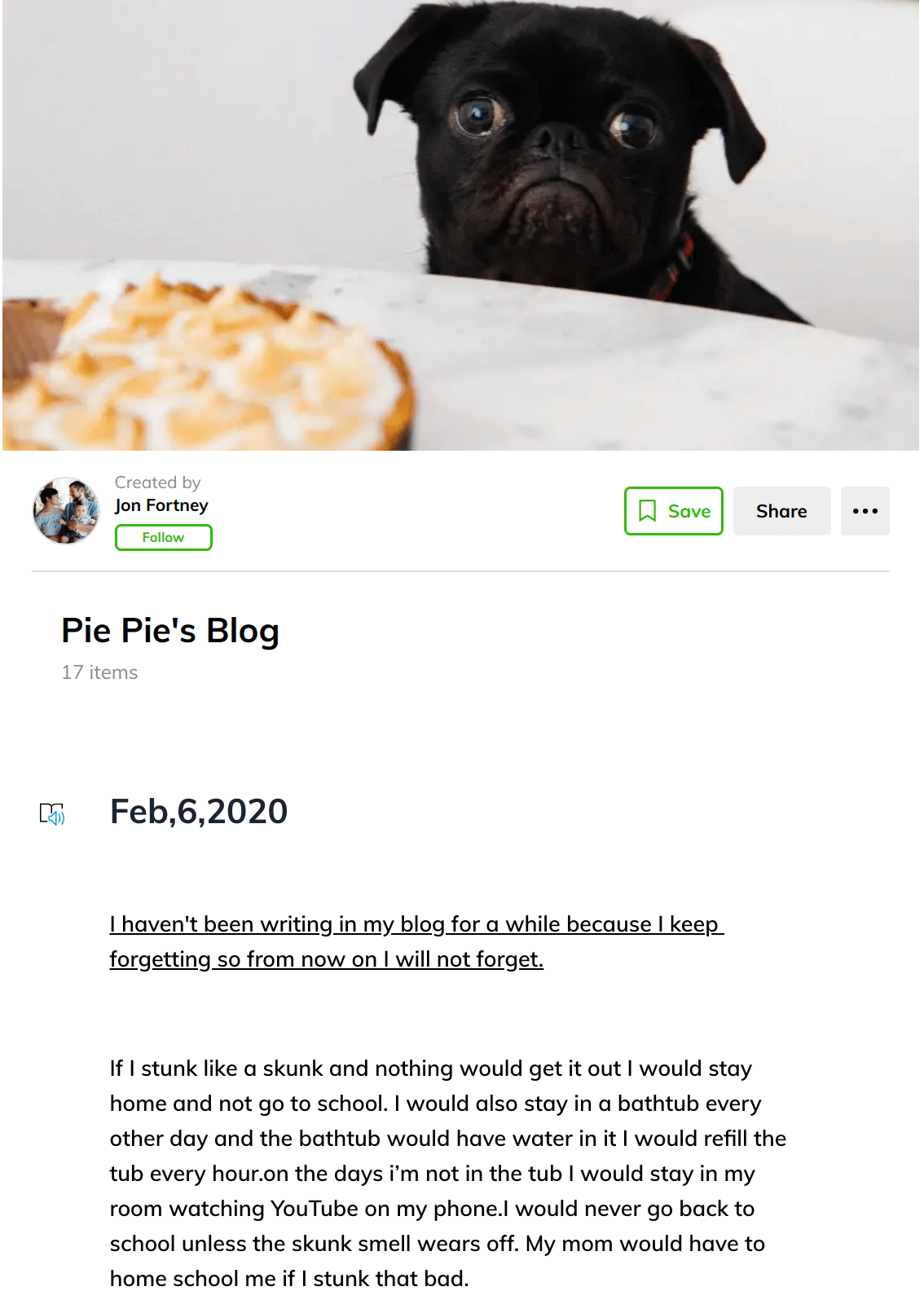 One of the first steps you need to take is to select a blogging platform. This is an online space to share content. Avoid getting caught up in the strict definition of a blog (e.g. RSS feed or an online space with content you can subscribe to). Another point you need to consider is that you need something you can control as the teacher. Students are often blocked from using tools like Blogger because they are for students older than thirteen years old. As a teacher, you need an online platform that makes it easy for you to manage content online and student posting.
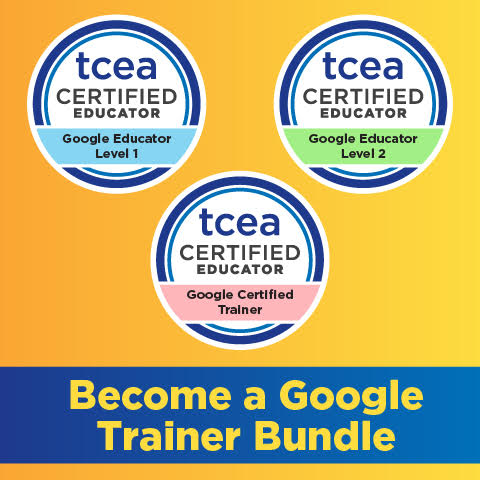 Sign up for one of our Google Certified Educator certifications. You’ll learn about more than Google Meet, as well as earn 12 CPE hours per course. Use these courses to get Google Educator certified.
 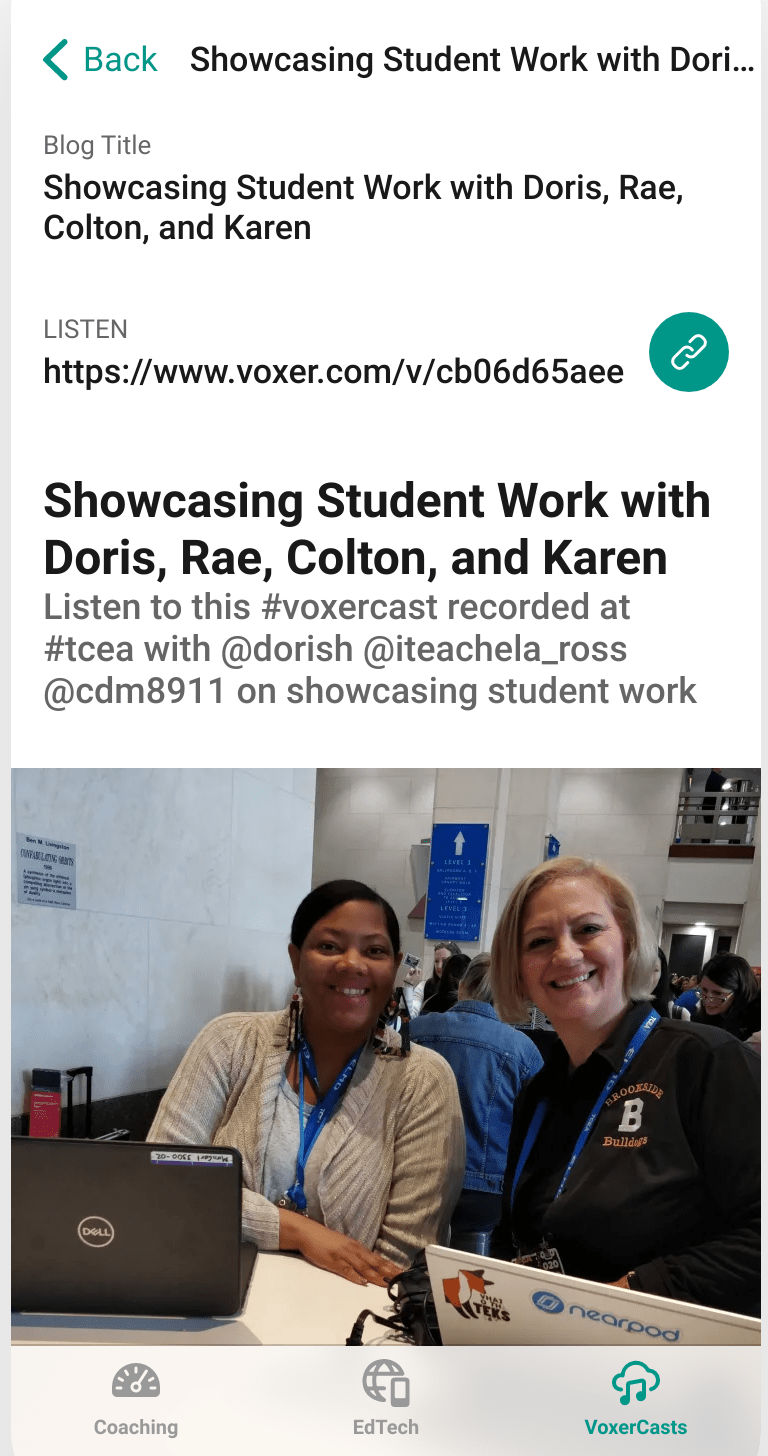 Unless you’re engaging in full-blown podcasting which involves scripts and audio editing, use Voxer to record interviews of less than 15 minutes and then post to social media (e.g. Instagram, Twitter). Be sure to combine your media shares online via Instagram, Twitter, Facebook and Tumblr. In the meantime, here are some suggested tools for working with podcasts: