In a connected world, there are ample research tools available. Helping students learn how to use them grows more important with ubiquitous access. In this blog entry, we explore several online research tools that can facilitate student research.
Setting Up Class Debates
In the Hyperdoc The Great Milk Debate, fifth grade students find themselves facing a challenge: Their principal, Mrs. Hilcher, has banned chocolate milk. Here’s one possible scenario to present students with:
Students: To improve your health, after consulting with school nutritionists, we have decided to no longer allow chocolate milk to be served during breakfast and lunch. Sugar and sweets present one of the greatest threats to human beings ever. “One carton of chocolate milk includes about 40 percent of the recommended daily allowance of sugar in a child’s diet,” said Mr. LK.
Students are encouraged to explore both sides of the debate. Learners are tasked with examining:
- Claim: For example, “Flavored milk gets kids to drink more milk.”
- Evidence: “Research shows that flavored milk, which delivers nine essential nutrients, contributes just 3% of added sugars to kids’ diets versus sodas and fruit drinks.”
- Reasoning: “Studies show that school-aged children who drink flavored milk actually drink more milk overall, have better quality diets, and do not have higher intakes of added sugar or total fat.”
The Hyperdoc provides students with a means to discover this information. The teacher who creates the Hyperdoc provides the resources students can explore. It may be advantageous for students to do their own research.
Five Online Research Tools for Children
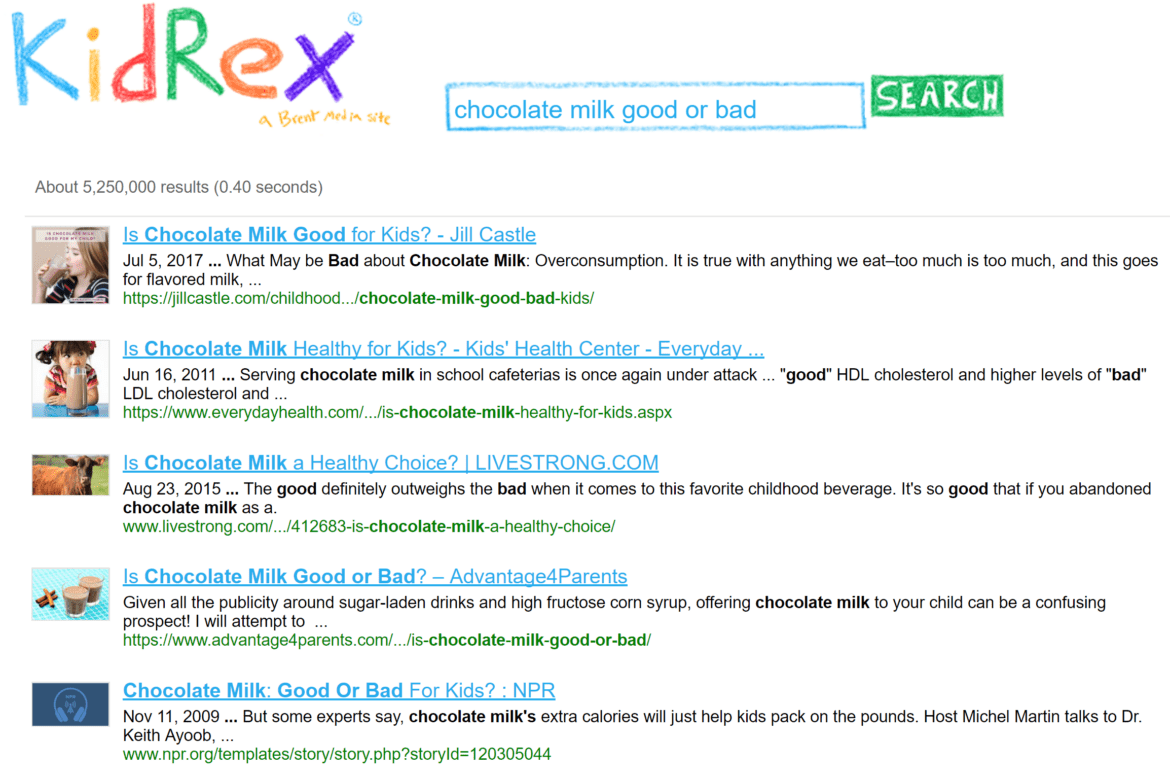
- KidRex – Powered by Google Custom Search, Alarm.org’s KidRex is a search engine designed by kids for kids. Check our their page for Parents. Compare it to Searchquarium.
- KidzSearch – Easy-to-use search engine.
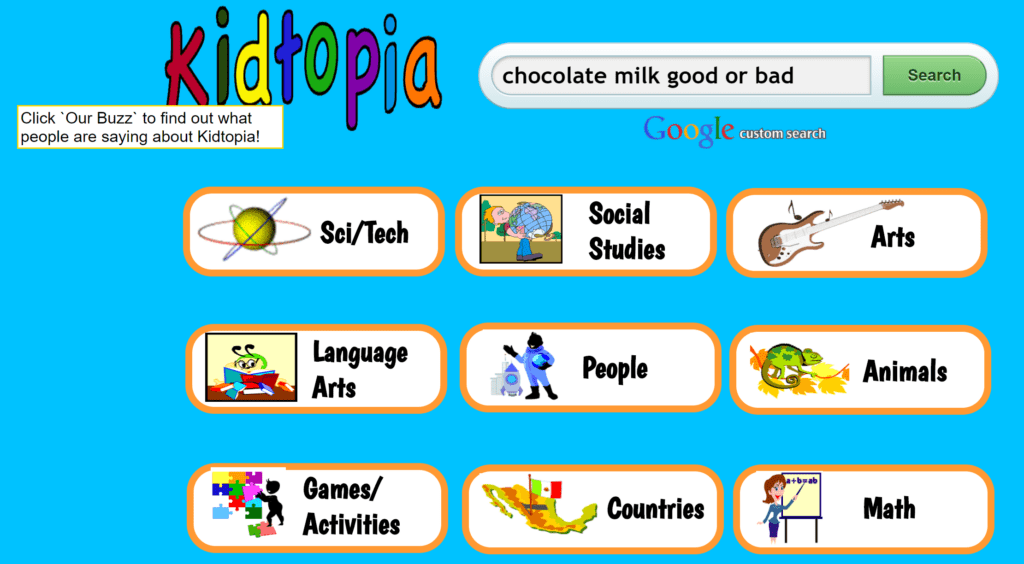
- Kidtopia – Provides access to a wide variety of topics, but also allows for keyword searches.
- Sweet Search – A search engine that provides filtered search capabilities.
- Fact Monster -Easily explore and learn new facts at Fact Monster by using their well-organized categories.
What’s Next
In the Hyperdoc, students take their research and use it to craft a persuasive letter attempting to convince others.
Test your preparation and your public speaking skills in The Great Milk Debate. You will be assigned to a debate team. Together you will go through each of your letters together and develop an argument defending your side against another debate team who will defend the opposite side. Each side will get two minutes to present their arguments. The winning debate team will be voted on by the audience.
Kid-friendly search engines can introduce students to search strategies, alleviating educators’ fears of encountering inappropriate content. Give them a try in your classroom.


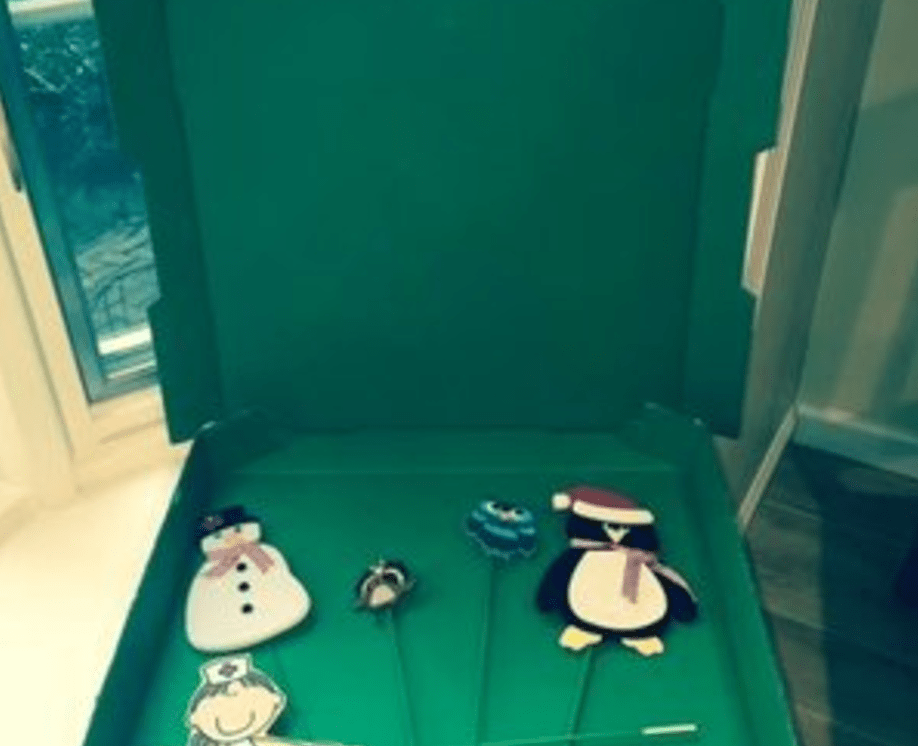
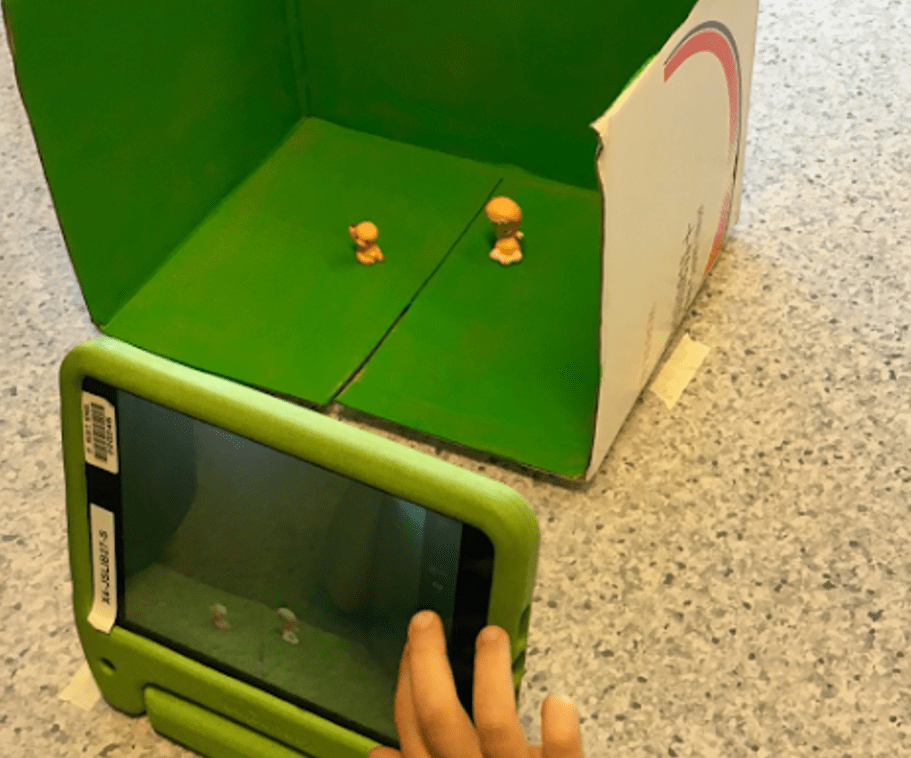
 To get started, you will need a screen solution (e.g. the right shade of butcher paper, a $.99 green tablecloth from Dollar Tree, or green cloth) and one of the apps below. If you have an iOS device, the best app on the market is Green Screen by Do Ink, although you can accomplish even more with Touchcast (but some find it a little difficult to understand at first).




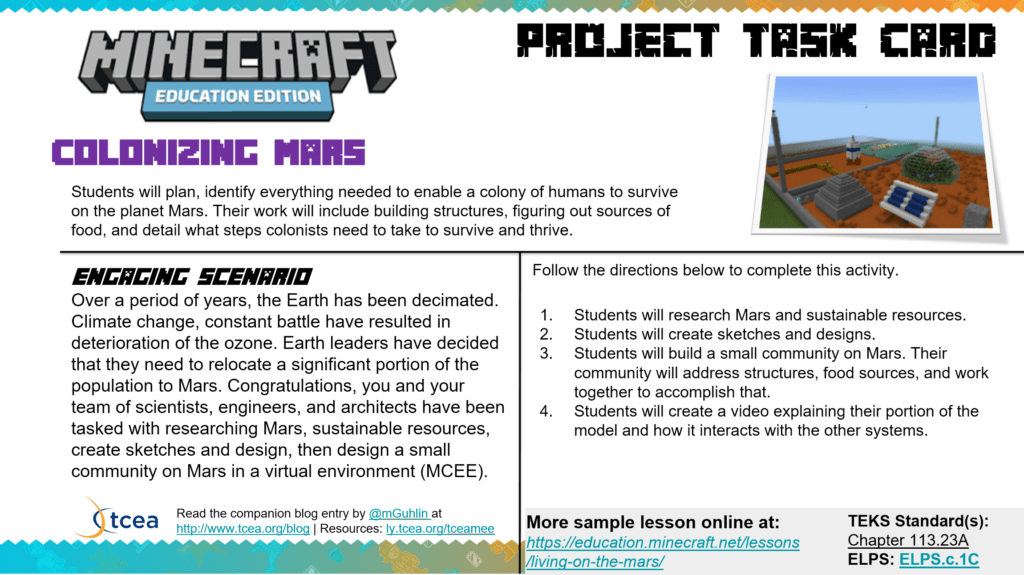
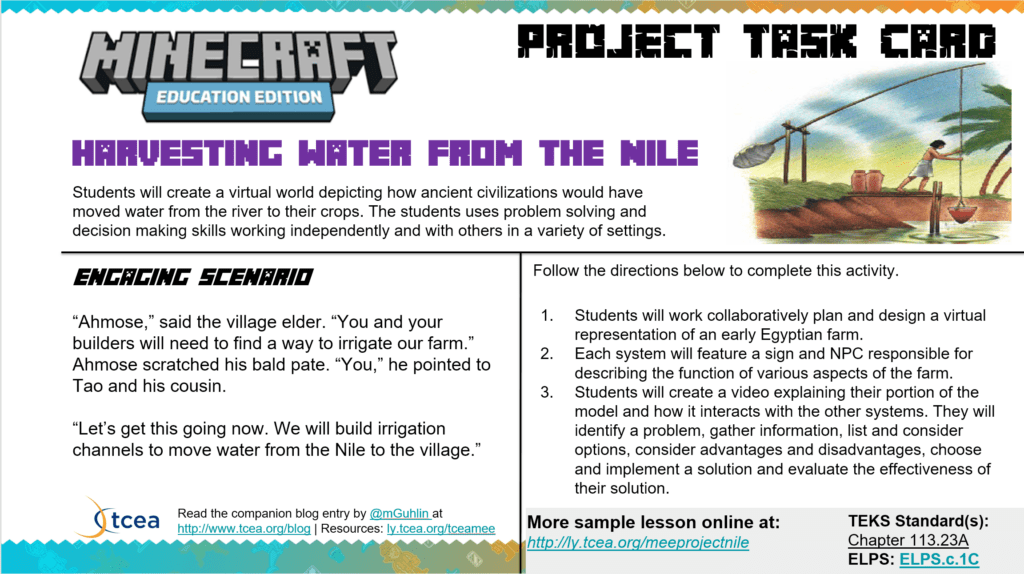
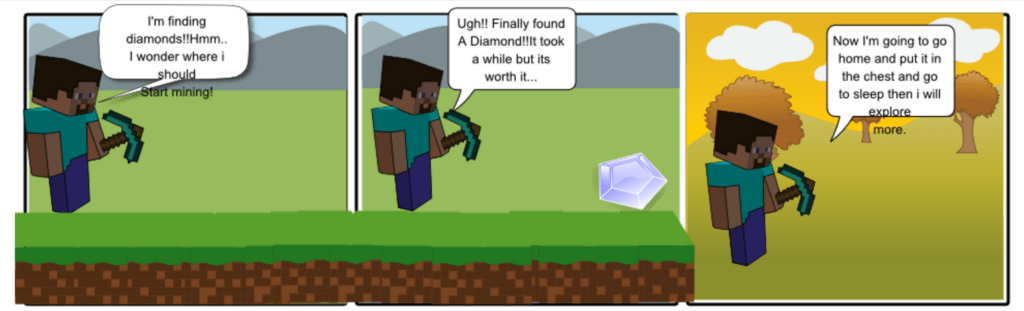
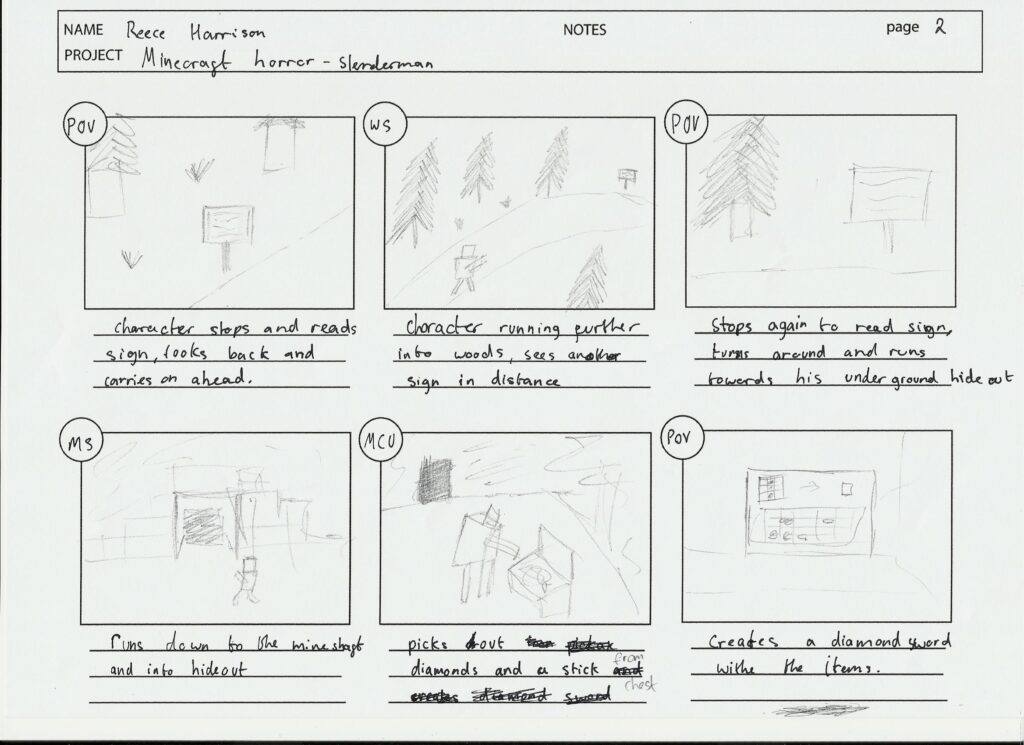
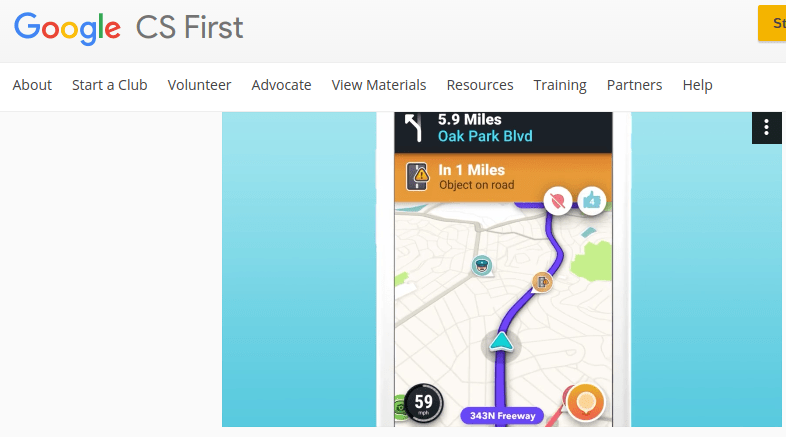 tools. Some of the creative projects include If/Then Adventures, which are reminiscent of the Choose Your Own Adventure print stories many of us grew up seeing on bookshelves. The If/Then Adventures video provides great examples that highlight coding connections. They also emphasize real-life connections to apps many of us may be familiar with, such as the
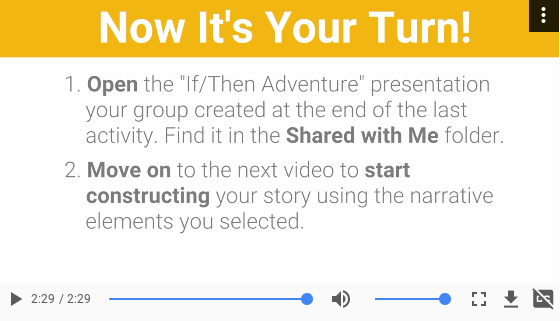 Relying on activities that feature communication, collaboration, and research, students are able to work on projects and create together. This collaboration provides rich opportunities for joint and independent communication and research. What’s more, students are able to earn badges for activities they engage in.
 “If we’re truly preparing kids for the real world,” says Ginger Lewman, “it’s time we start practicing real life, right now.” Problem-Based Learning (PrBL) is a viable method of teaching deep, rigorous, and cross-curricular, student-driven lessons. Before jumping into the review, let’s take a moment to reflect on the challenges advocates encounter when introducing educators to PrBL.