
Summer break is supposed to be for rest, travel, family time, and maybe finally cleaning out that one closet you have been ignoring since October. But while educators may slow down a little, scammers do not.
In fact, summer can be prime time for scams. People are booking trips, signing kids up for camps, and shopping online. Add in a little urgency, like a “limited-time offer,” and a fake logo that looks official, and it is easy to see how even the most careful person can get caught off guard.
Here are a few summer scams to keep on your radar.
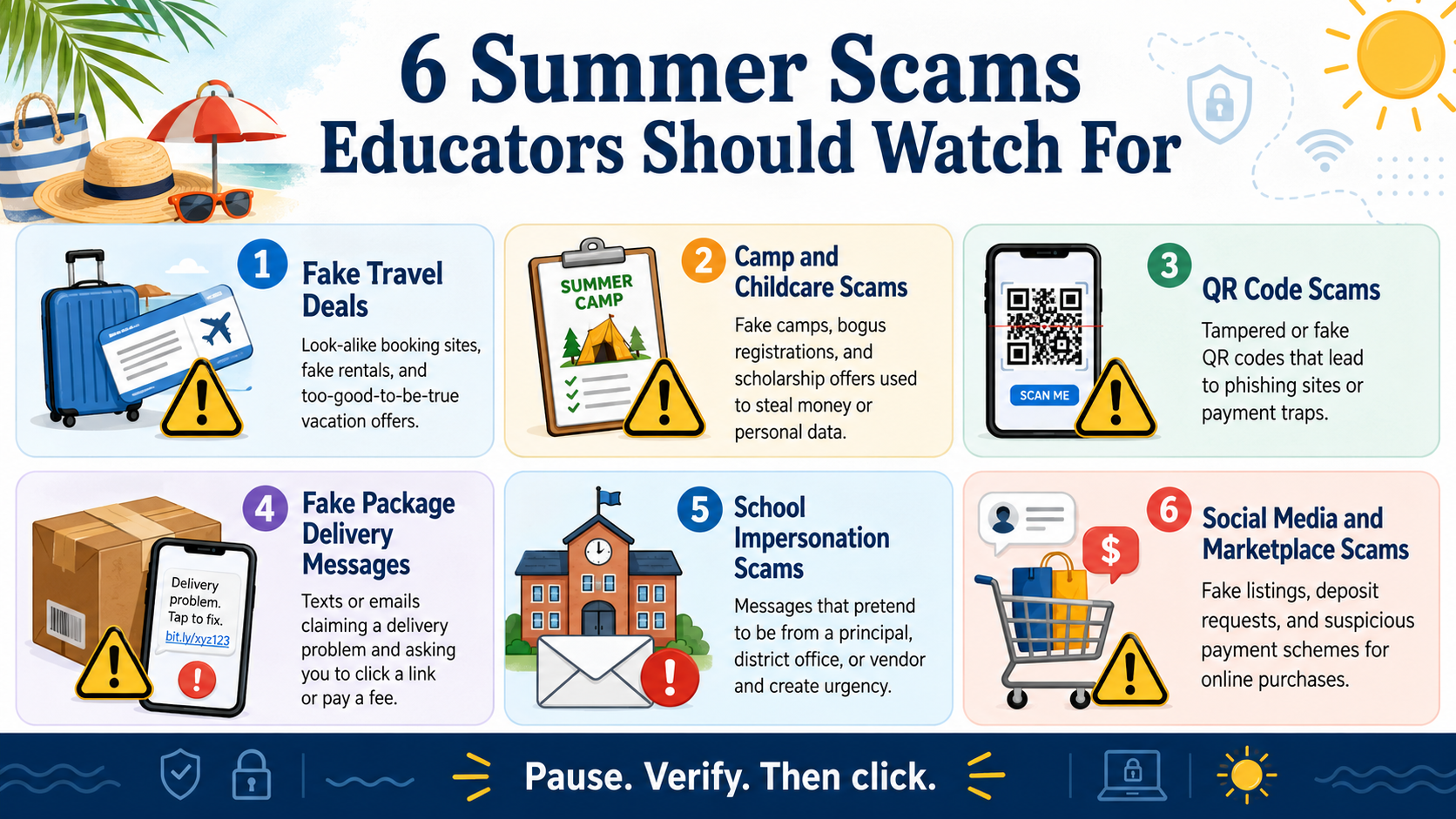
Fake Travel Deals
Summer travel deals are everywhere. Unfortunately, so are fake ones. Scammers may create look-alike websites for hotels, airlines, rental homes, or travel agencies. They may also post vacation rentals that do not exist or offer prices that seem just a little too good to be true.
And you know the rule. If it seems too good to be true, it probably is.
Before booking, go directly to the official website instead of clicking through an ad or email. Check reviews from multiple sources and look closely at the URL. In addition, avoid paying with wire transfers, gift cards, cryptocurrency, or payment apps when possible. A credit card usually offers better protection if something goes wrong.
Camp and Childcare Scams
Parents and educators are often looking for summer camps, tutoring or childcare. Scammers know this and may create fake programs, fake registration forms, or fake scholarship offers.
These scams can be especially tricky because they often look helpful. They may promise a last-minute opening, a discounted rate, or a special program for students. But their real goal is to collect payment or personal information.
Before signing up, verify the organization. Search for the program separately, call a known phone number, and be cautious of forms asking for unnecessary information. A real summer camp probably needs emergency contact information. It does not need your Social Security number.
QR Code Scams
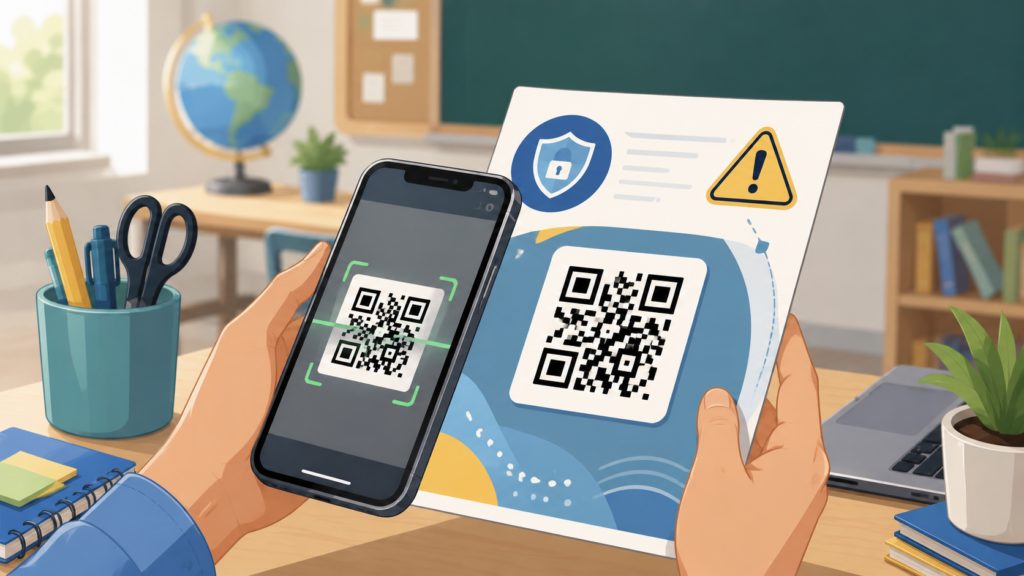
QR codes are convenient. They are also easy for scammers to abuse. A scammer can place a fake QR code on a flyer, parking notice, package, email, or sign. When someone scans it, the code may lead to a fake website designed to steal login credentials or payment information.
For educators, this is especially important because QR codes are common in schools. We use them for newsletters, events, surveys, classroom stations, and professional learning. That means it is worth slowing down before scanning unfamiliar codes.
A good habit is to preview the link before opening it. If the URL looks odd, shortened, misspelled, or unrelated to the organization, do not continue. When in doubt, go directly to the official website.
Fake Package Delivery Messages
Summer often means more online shopping. Maybe it is classroom supplies, vacation gear, or a package you forgot you ordered. Scammers take advantage of this by sending fake delivery texts or emails claiming there is a problem with your package.
The message may say you need to confirm your address, pay a small fee, or reschedule delivery. The link may look official, but it can lead to a phishing site.
Instead of clicking the link, go directly to the retailer or delivery company’s website. Use the tracking number from your original order confirmation. Remember, a real delivery service should not need your bank login to drop off a package of markers.
School Impersonation Scams
Even during the summer, school business continues. Administrators may receive messages about invoices, software renewals, conference registrations, or supplies. Instructional coaches and teachers may see emails that look like they came from a district leader or trusted vendor.
Scammers often use urgency to get people to act quickly. For example, they might say the following:
- Please handle this today.
- I’m in a meeting.
- Can you buy gift cards?
- Your account will be closed.
Pause before responding. Verify requests through a second method, especially if money, gift cards, account access, or student information is involved. A quick phone call or separate email can prevent a much bigger problem later. Learn how to protect yourself and your district from email scams.
Social Media and Marketplace Scams
Summer is also a popular time to buy and sell items online. Educators may be looking for classroom furniture, books, or supplies. Scammers may post fake listings, ask for deposits, or send fake payment confirmations.
Be cautious with sellers who pressure you to act quickly or ask for unusual payment methods. If you are buying items for your classroom, make sure the product is real, the seller has a history, and the payment method offers some protection.
Websites That Can Help You Check for Scams
There are a few helpful websites you can use when something feels suspicious. They are not perfect, and they cannot catch every scam, but they can give you another way to pause and verify.
- VirusTotal can scan suspicious URLs and files. If you receive a strange link or download, this tool can help you check it before opening it.
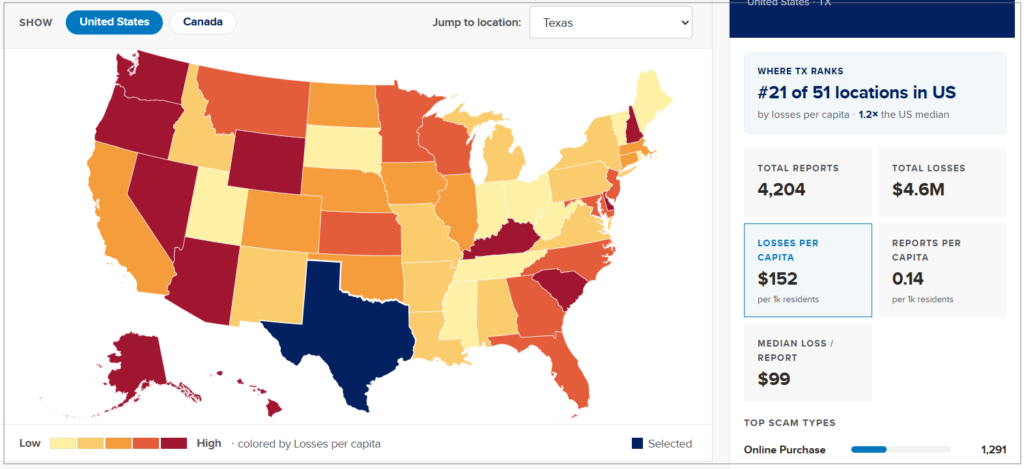
- BBB Scam Tracker lets you search scam reports from other people. This can be useful when you are checking an unfamiliar company, travel deal, online shop, summer program, or marketplace seller.
- The Federal Trade Commission’s Consumer Advice site offers clear guidance on common scams, phishing, fake invoices, imposter scams, and what to do if you shared information by mistake.
The key thing to remember is that these tools are helpful, but they are not magic wands. A scam may be too new to show up yet. When in doubt, slow down, go directly to the official website, and verify the request another way.
A Simple Summer Scam Check
Before clicking, paying, scanning, or sharing information, ask yourself:
- Was I expecting this message, package, invoice, or invitation?
- Does the sender’s email address or phone number look right?
- Is the message creating urgency or fear?
- Is the payment method unusual?
- Can I verify this another way?
Those five questions can save a lot of trouble.
What to Do If Something Feels Off
If you think you clicked a suspicious link, entered information on a fake site, or responded to a scam message, act quickly.
Change your password for that account. If you use the same password elsewhere, change it there too. Turn on multifactor authentication when available. Contact your bank or credit card company if payment information was shared. And if the scam involves school accounts, devices, or student information, report it to your district right away.
There is no shame in reporting it. Scammers are good at what they do, and reporting helps protect others.
Enjoy the Break, But Stay Alert
Summer should be a time to recharge. You do not need to become a full-time scam detective, but a few smart habits can go a long way. Slow down, verify before clicking, and trust your intuition if something feels weird.
