Discover resources and strategies for professional learning. Explore tools, tips, and opportunities to enhance educator growth and development.

Today’s educator has a lot on her plate. Besides knowing all of the key concepts of the content area she is assigned to teach, she must at times also be a: counselor, disciplinarian, coach, motivator, parent, nutritionist, listener, advocate, mediator, scholar and researcher, assessor, leader, manager, environment creator, role model, protector, trouble spotter, prompter, tech user, resource, and organizer.
I could keep going, but you get the idea. Today’s educator has an unbelievable amount on her plate. To make the job of teacher even more difficult, she has literally no time to become better or learn how to manage all of these roles. That’s where TCEA can help.
The empowerED Program
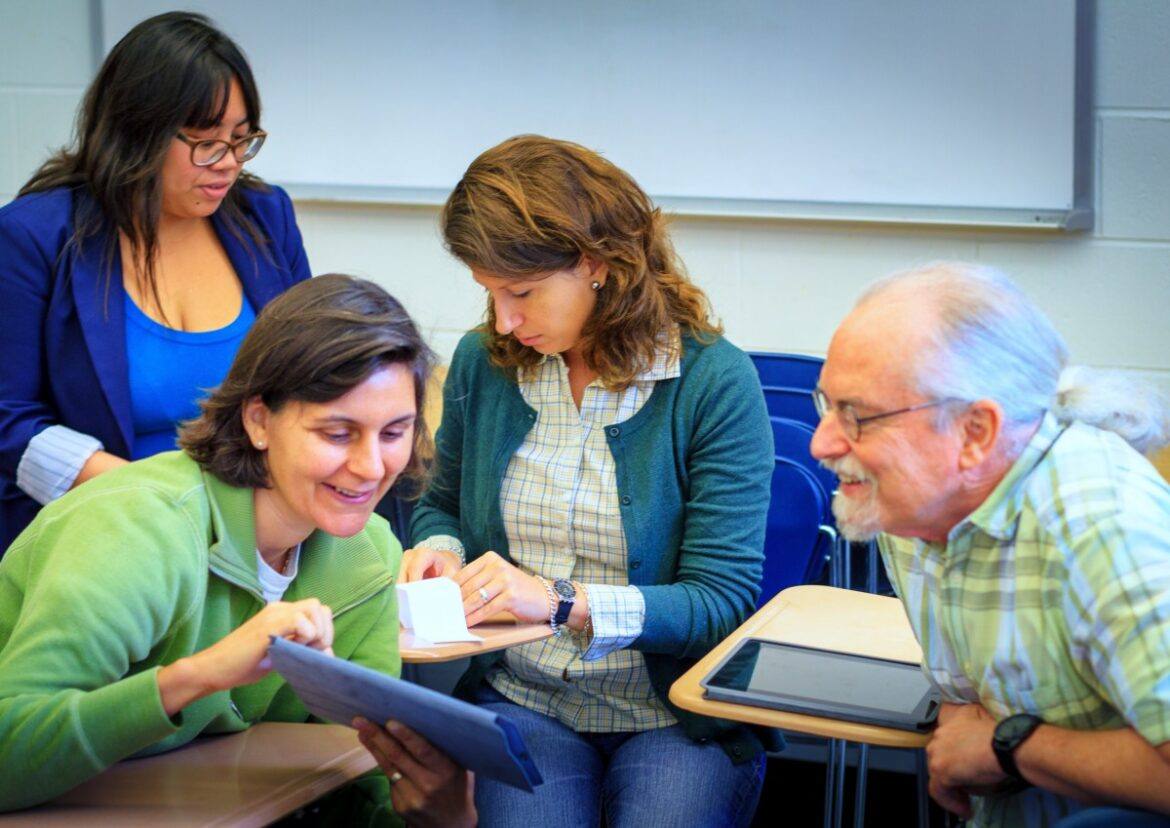
TCEA recognizes that dedicated educators need help in the form of time and opportunities for innovative learning and practice. To help meet those two needs, we created the empowerED program, designed to provide teachers and their leaders with the resources and tools needed to affect change at the classroom learning level.
The year-long program provides a proven methodology and process by which districts and campuses can create purposeful teaching and learning that accelerates student learning and is based on the latest research and the effective use of technology. Through a pre-assessment, two full days of onsite professional development tailored to your needs, full TCEA membership for all participants for one year, a community of practitioners sharing questions and insights, and post-assessment and planning, program participants can learn the latest on effective teaching strategies and technology integration. This gives your entire team a unified set of instructional techniques, as well as a school or district-wide game plan for future success.
Dr. John Hattie’s Research
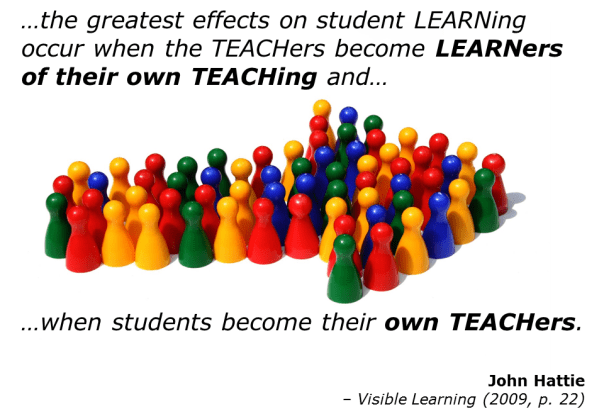
Based on the proven research of Dr. John Hattie over the past 25 years with more than 3,000,000 students, the program gives educators specific strategies that increase achievement in all grade levels and subject areas. Hattie found that, while there are a number of instructional strategies available to use, there are specific ones that are the most effective and provide the maximum results in the same amount of time. Strategies such as reciprocal teaching, teacher clarity, and the jigsaw method are just a few of these. The empowerED program establishes a basis for using them and then provides educators with hands-on practice in using them, regardless of the content or the grade level they teach.
In addition, teachers learn how to best integrate technology so that the tools support and enhance the learning and the content being studied. Instead of technology being an add-on or, even worse, taking over the lesson, the devices and resources compliment the instructional strategy being used to maximize student focus and learning.
“The overall information related to Hattie’s work, as well as the presentation and practice related to reciprocal teaching, was incredible! Many of our teachers are “practicing” what you “preached” and the current culture reflects the excitement that quite a few are experiencing in their classrooms!
-Dana E., empowerED Participant
Program Costs
Because TCEA believes so strongly in the power of this program and in the need that exists for it across the country, we provide it at very little cost. For up to 50 educators on a campus, school, or district, the total cost for one year is just $2,800. (Additional teachers can be added at a reduced rate.) That price includes the following:
- Pre- and post-assessment to determine where the campus/district is currently and how much it improves
- Strategic plan to fully implement the strategies that are taught
- One full day of onsite professional development for administrators and leaders
- One full day of customized, onsite professional development for teachers
- One year of TCEA membership for all participating educators within the district/campus (to ensure that the learning continues all year)
- Access to a cohort group of participants to share ideas, questions, and insights
- Access to a library of pre-recorded webinars and online resources
- Complimentary registration for 10 individuals per enrolled campus/district for the TCEA Innovative Learning Strategies Conference, September 26, 2020 in Austin
- Complimentary registration to the TCEA 2021 Convention & Exposition for the district superintendent or campus principal
- A 20% discount on all other TCEA events and additional professional development
If you have questions about the program and how it can fit in with other initiatives, please contact Executive Director Lori Gracey. Then register your campus/school/district today and help your teachers master the instructional strategies that will ensure success for both their students and themselves.
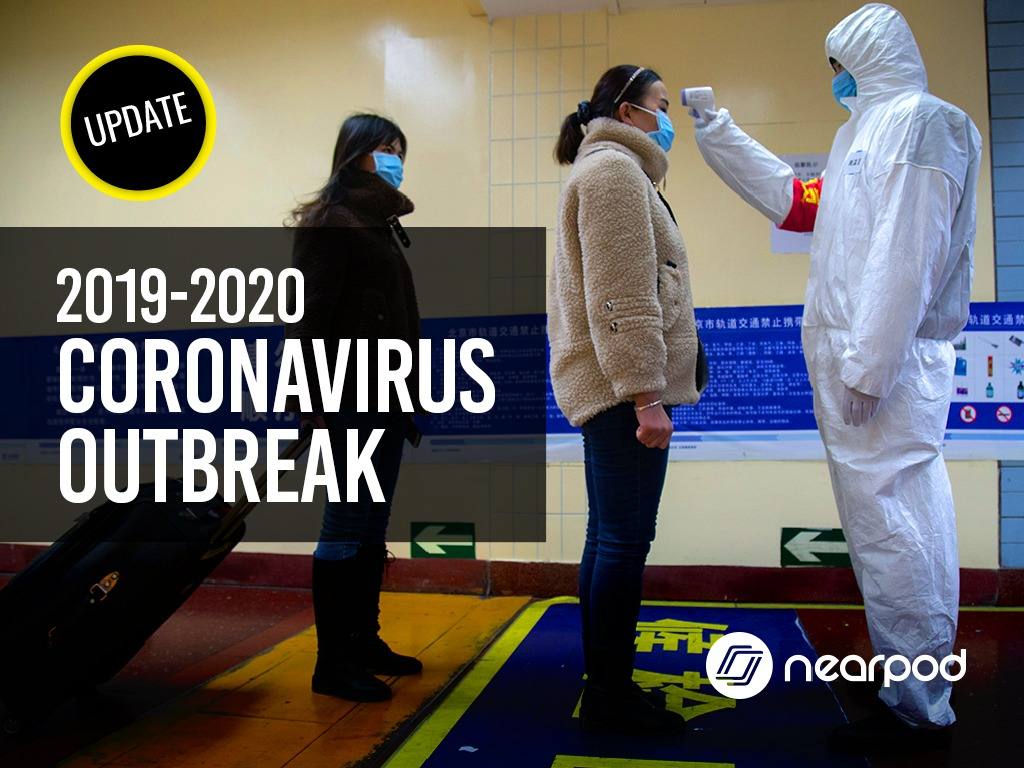
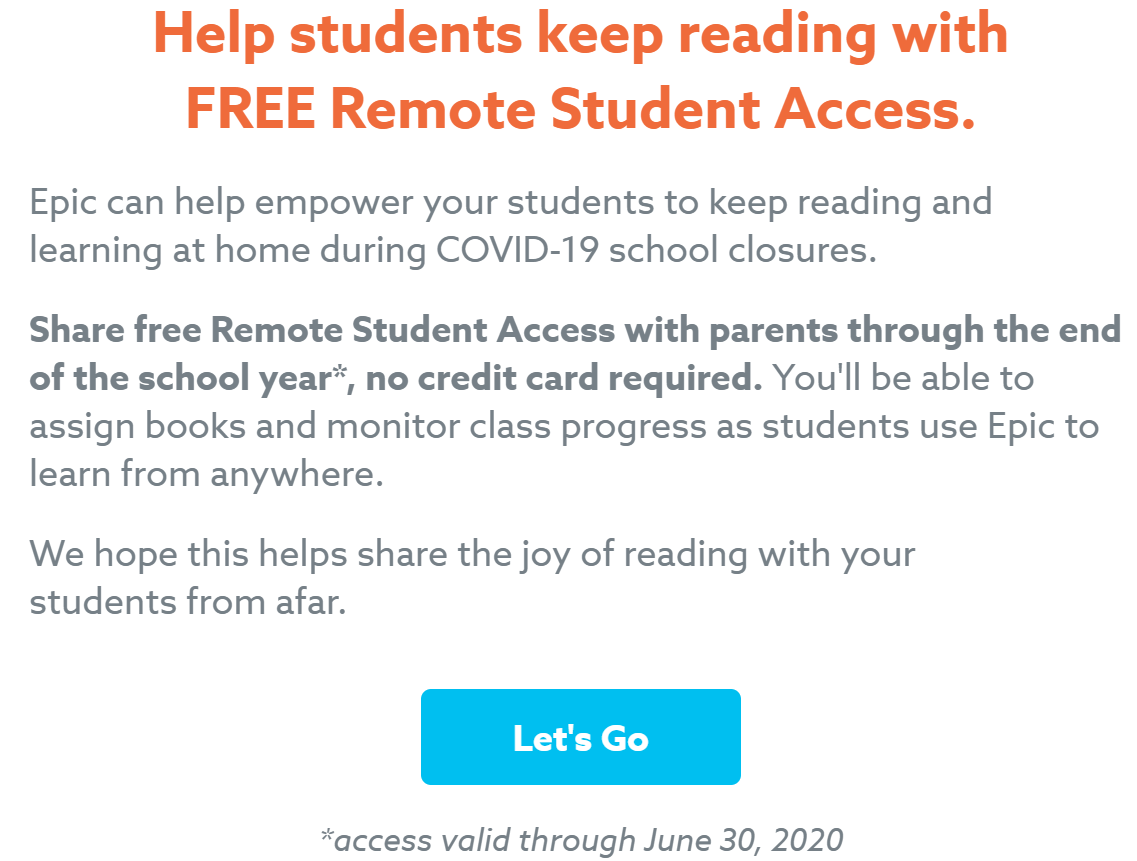
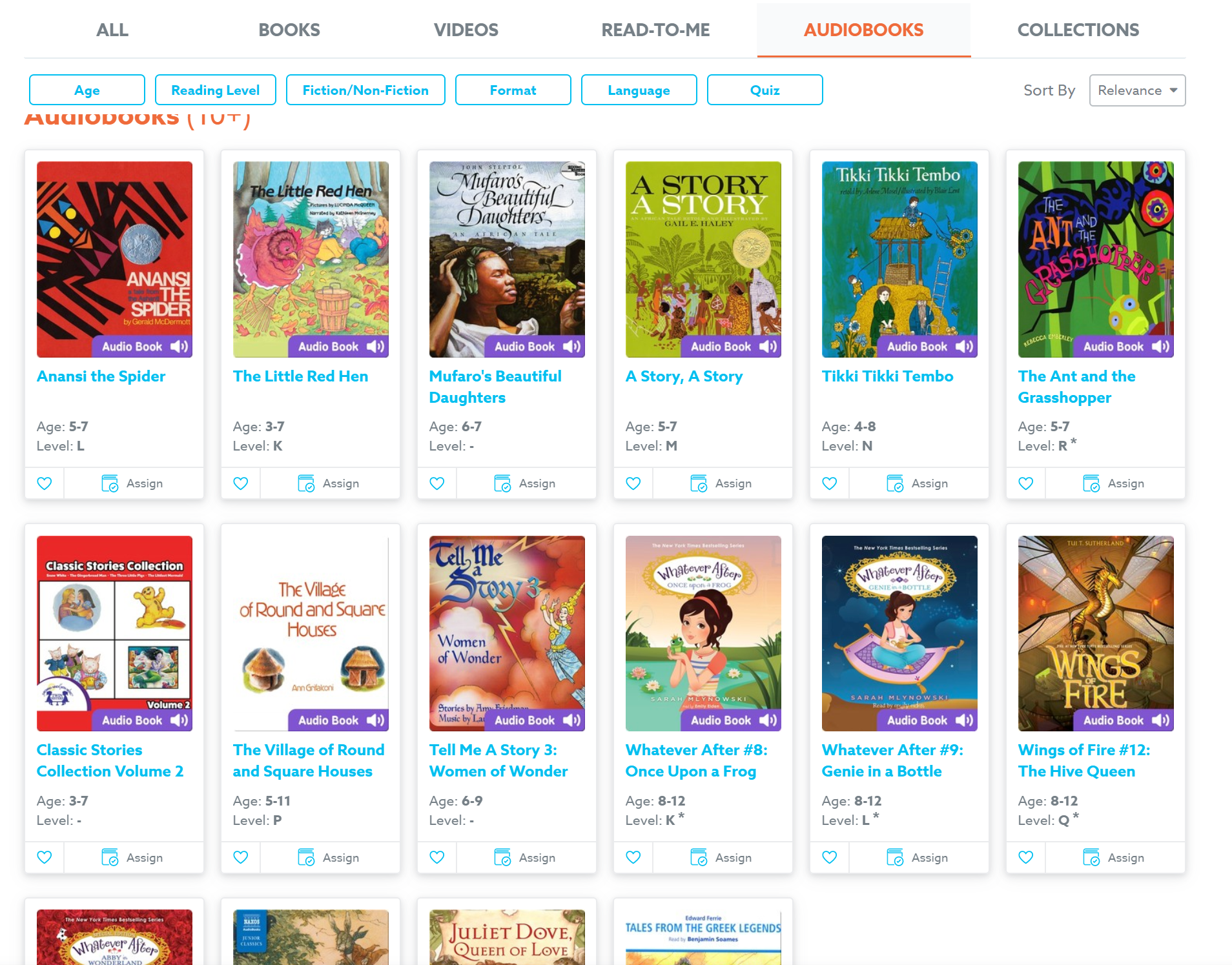
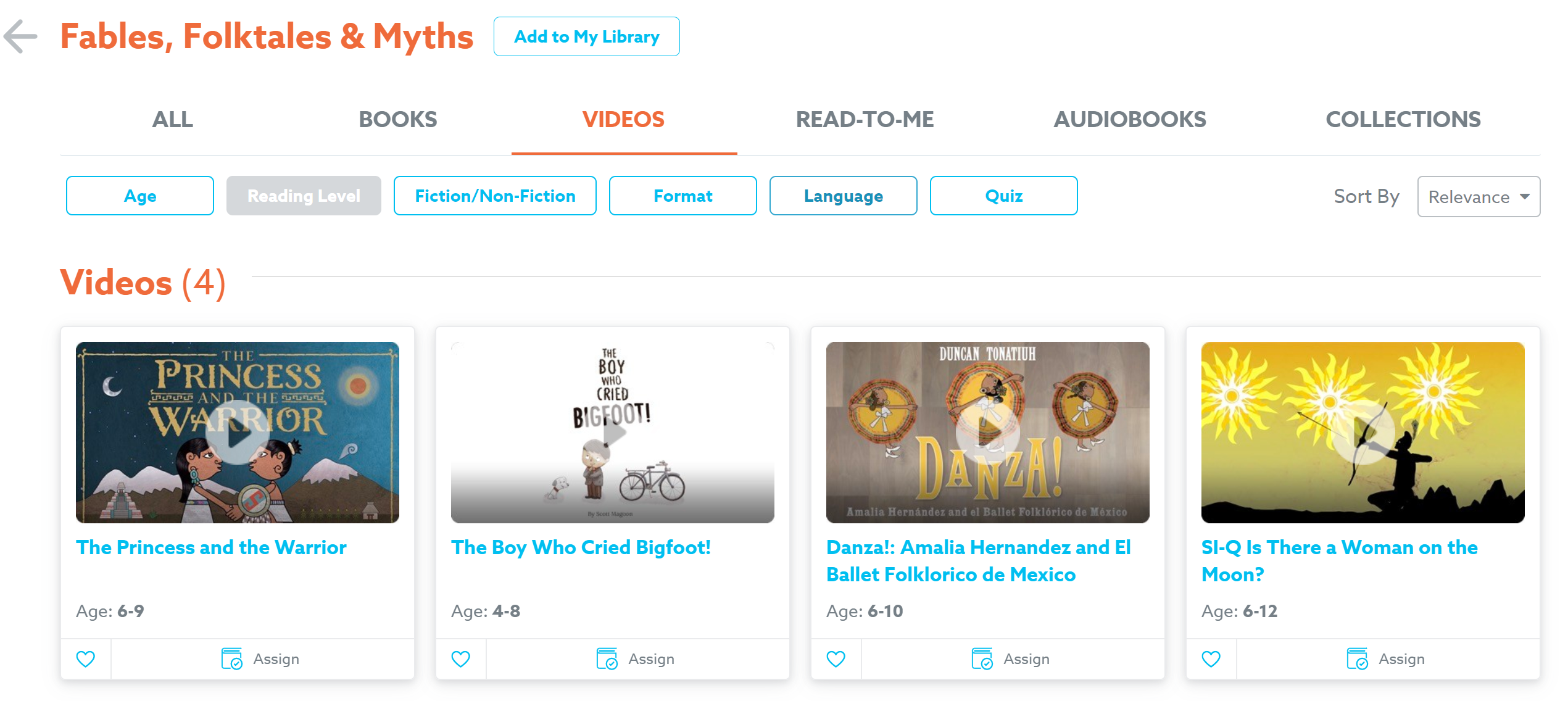
 Elementary educators looking for a free resource to teach students about the Coronavirus and COVID-19 will have help from a zany book character named


 You have probably already heard of Flipgrid and perhaps even started using it, at least to some degree. It definitely seems to be the perfect tool to support students in many ways, not to mention using it as a way to provide peer- and content-support to teachers.
 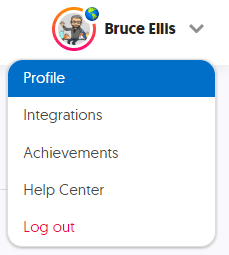 Begin by making sure that your profile is updated. Don’t be shy. This will allow others to better connect with you. Click on your image in the top right and select Profile. Select a photo or avatar for your profile picture. If you have a picture that has a busy background or you want to use a quick editing tool to remove the background (as I did on my
 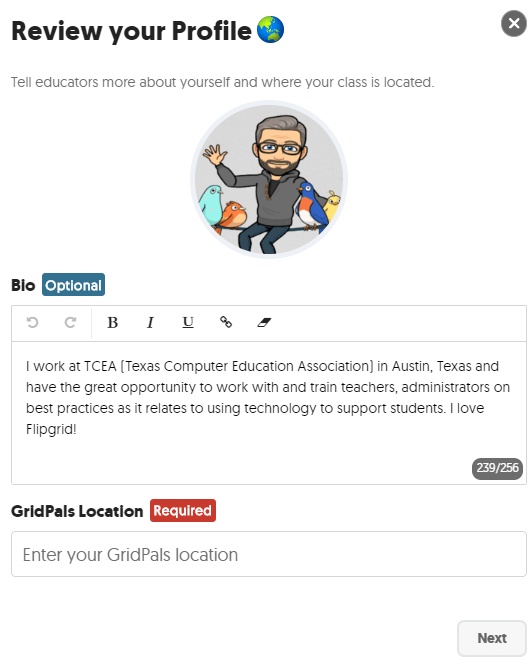 GridPals is, as you may have deduced, Flipgrid’s version of pen pals. It’s a super easy way to connect with other educators and enthusiasts to further learning and improve education.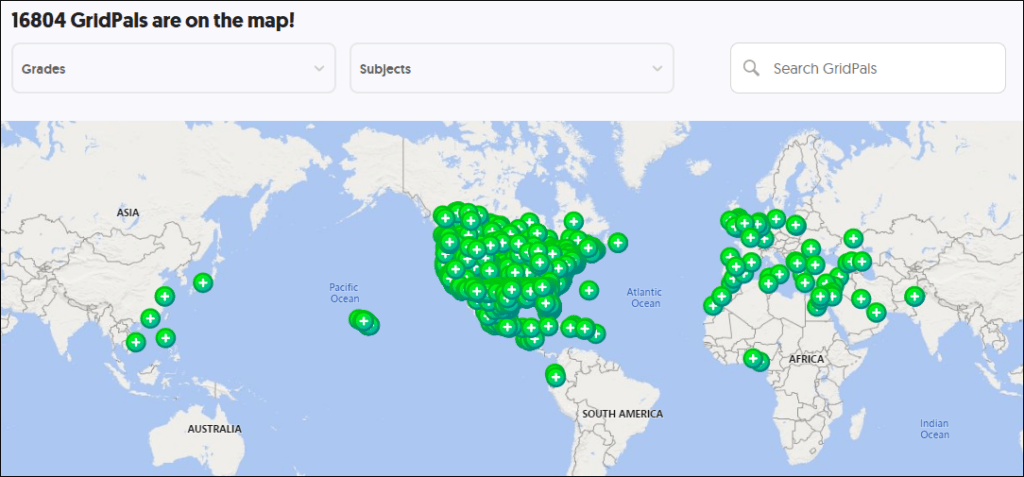
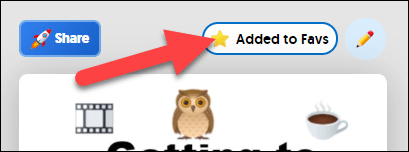 Featured Disco Playlists are sets of topic templates provided by various organizations such as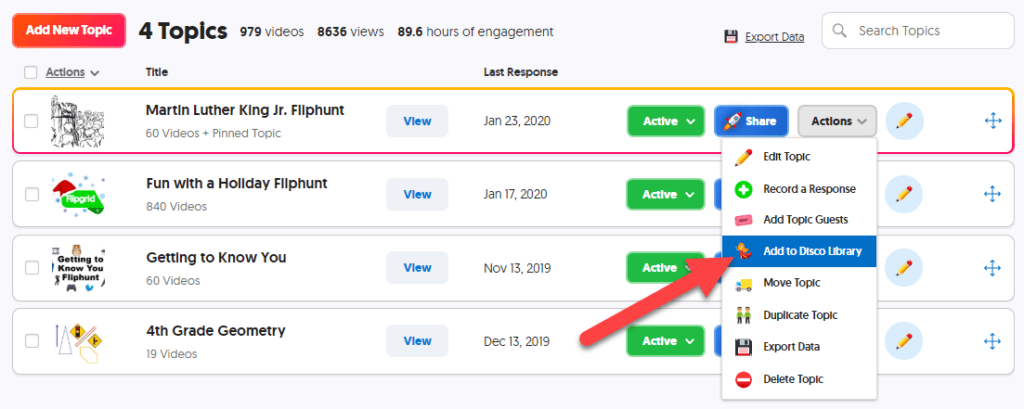
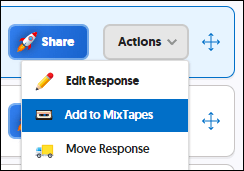 No, this isn’t creating mixtapes on cassettes like we might have done back in the ’80s and ’90s to give to someone special. This is a whole new way of sharing — but based on the same principle.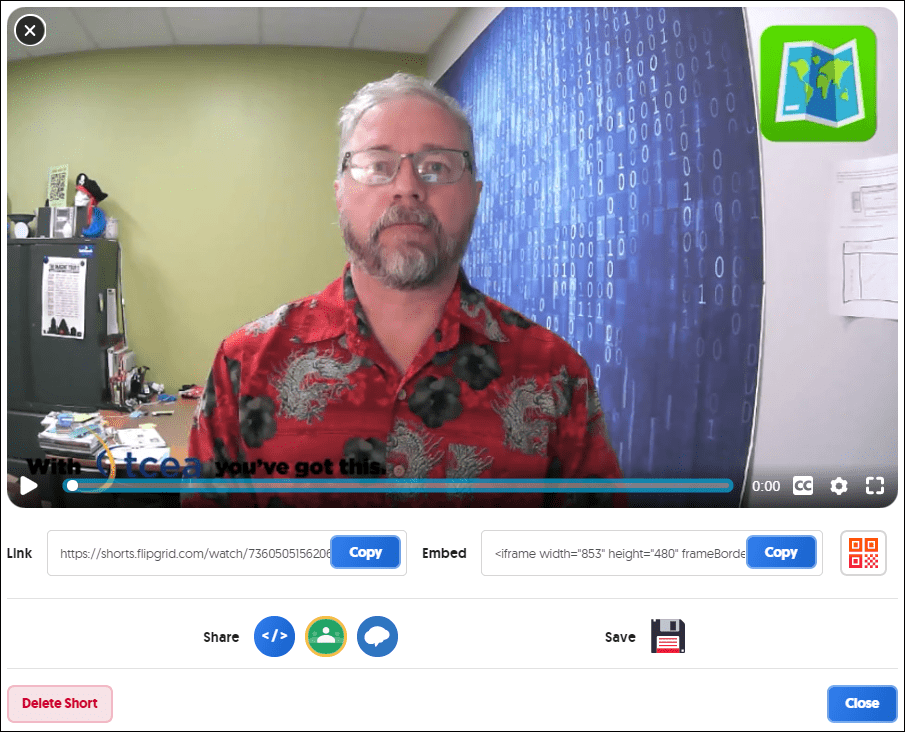
 So how do you use Flipgrid? Which feature(s) have you found to be the most impactful? Even if you haven’t had a chance to use Flipgrid, have you come across an innovative way to incorporate it in the teaching and learning process or in professional development? We’d love to hear from you!