Explore tools, strategies, and insights for educational leadership. Discover resources to inspire and support effective school and district leaders.

Who are our leaders?
When you think about leaders on your campus and in your district, who comes to mind? Most of us probably think of the people in particular roles that are found on every campus and in every district. There are superintendents and a variety of C-choose your letter-O roles. Principals are also an easy group to call out. Let’s call those the Capital-L Leaders. But what about the lowercase-l leaders? These are the boots-on-the-ground people who are in our buildings and working directly with students every day. Are you one of those? If you’re taking time to read this, I bet you are.
Jimmy Casas talks about awesomizers and awfulizers in his book Culturize (2017, Dave Burgess Consulting). You don’t need definitions of those terms to know what Casas is talking about. You are probably already picturing people in your building who fall into those categories. The real question is, on a regular basis, which one are you?
What do leaders look like?
Leaders set the tone. They demonstrate attitudes and characteristics that they want others to follow. Do they encourage positive attitudes and risk-taking? Are they problem solvers and innovative? Do they ask questions, listen to answers, and provide constructive feedback? Leaders continue to learn and encourage others to do the same. They cultivate networks where sharing takes place.
How can librarians step up their game as leaders?
- Become an ambassador or get certified. Apple, Google, Flipgrid, Buncee, Symbaloo, and Common Sense Media are just a few of the platforms that allow educators to earn certifications or become ambassadors for their products. And don’t forget about the TCEA certifications available, from Chromebook and iPad to ISTE Educator Standards to several leadership programs.
- Be a resource. Whether it’s a new tech tool or a new application or feature of an old one, stay current with technology and look for products and tips you can share with your faculty.
- Be a collaborator. Sometimes it requires being the first to extend a hand. Reach out to others and talk about how you can work together. Emphasize combining strengths, not making up for deficiencies. Be willing to take the first step, but don’t be disheartened if you are turned down initially; try again another time.
- Be a teacher. Librarians in Texas are, first and foremost, teachers. Whether you are teaching students or teachers – ideally both – put your skills to use. Engage and deliver relevant and timely instruction.
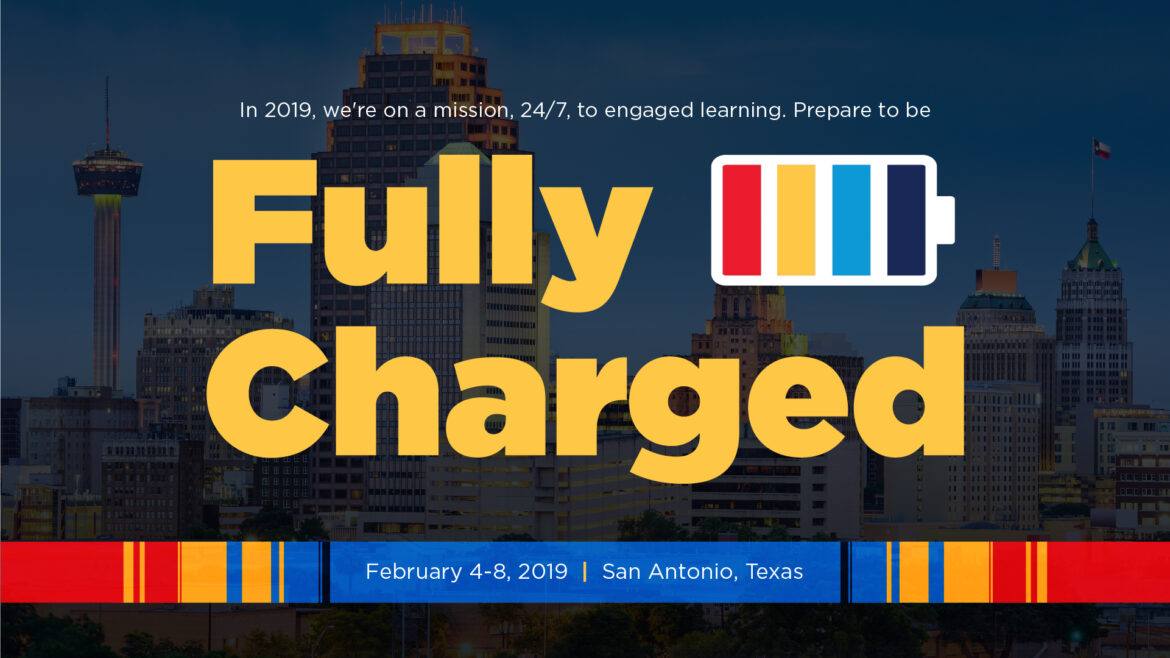
- Be a student. Learn something new. Keep reading. Easy, right? And many of us are starting an amazing week of learning at the TCEA 2019 Convention. What better place to be a learner?
- Find your niche. What can you do that others can’t? Maybe it’s finding and applying for grants. Maybe it’s creating community partnerships. There are so many possibilities. Become the person that the rest of the campus can’t imagine losing.
- Be a researcher. Librarians come by this naturally. And what is a researcher if not a problem-solver? Find answers to questions. If you have a question that is specific to your environment and no answer exists, conduct the research. Action research and evidence-based practice land squarely in our court.
- Look ahead. We don’t all have to be visionaries, but it’s hard to lead when you’re running behind. Prep instructional units and reading or other promotions in advance. Plan ahead. It’s easier to make changes than to create from scratch at the last minute. Then keep your lessons, notes, and ideas readily available for next year. You’ll know what worked, what needed improvement, and you’ll be ahead of the game, freeing time for other pressing issues.
It doesn’t matter what your role is, someone else is looking up to you. Whether you’re a Capital-L Leader or a lowercase-l leader, you make a difference. You can be a teacher, a librarian, or an administrator. You can be a new teacher, in mid-career, or have 20+ years behind you. Wherever you are, it’s time to step up and lead. Your students and your profession need you.
This is a guest blog by Kristi Starr as part of a monthly series of blogs from LIB-SIG. Kristi is the library media specialist and co-campus technology leader at Coronado High School in Lubbock ISD and the President of LIB-SIG.

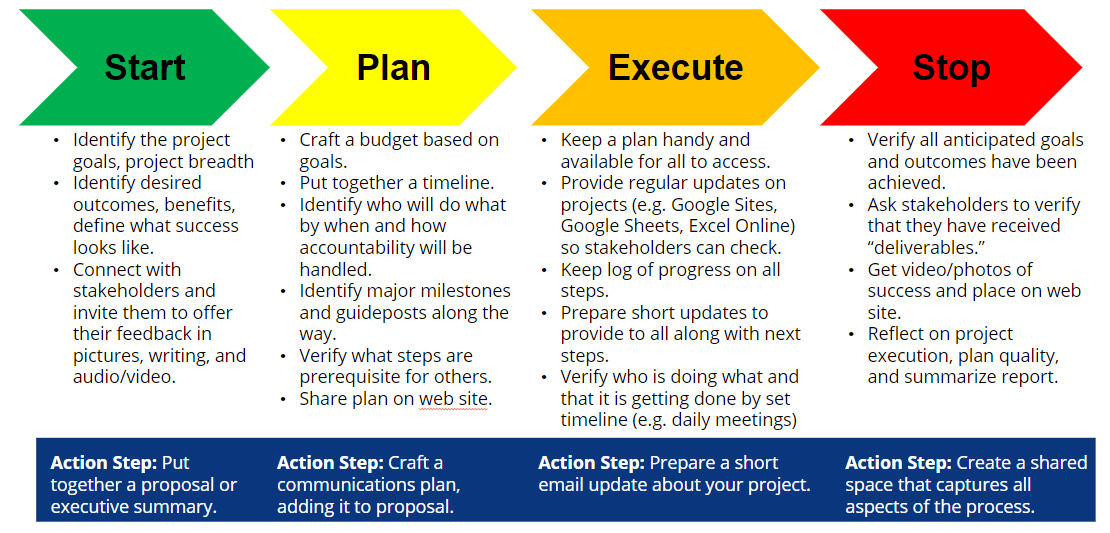
 Identify the project goals and scope, define success, and connect with stakeholders. To achieve this, I put together an executive summary. You can read about various proposal forms and executive summaries in my series. The three-part series,


 For many, this is t
 having a group of staff members from legislator’s offices discuss what to expect and how to navigate this type of meeting. I promise that, by the end of the two-hour training, everyone will be prepared to advocate for the things they are passionate about! Most people who attend the Ed Tech Day at the Capitol have so mu

 McDonald, Director of Technology for Anderson-Shiro ISD, said