Howdy, folks! Welcome to another in a series of periodic ed tech news roundups. We hope you enjoy this one, and if you have a story you’d like to see included, let us know.
Learning Online and In-Person
As blended and online learning becomes seemingly universal, the distinctions and benefits of both virtual and in-person learning are beginning to emerge.
- On the one hand, digital teaching can greatly empower teachers and students, even potentially boost a teacher’s ability to convey information, even outside of class. One example comes from Wyoming, where a history teacher has created her own online course. [Sheridan Press]
- On the other hand, new research shows that, the benefits of digital learning notwithstanding, many students still prefer learning face to face. [EdSurge]
- And despite signs of a potential slow down, online learning, especially in higher education, continues to grow. [Education Drive]
- As the new methods of flexible learning grow and evolve, a new set of standards for online learning, the first since 2011, has been released. [Education Week]
Learning Out of This World
The expansion of online learning makes sense in the context of ever-growing digital technology. Some tech breakthroughs, though, like the tech that makes travel and communication into space possible, still have the ability to inspire.
- In New Mexico, hundreds gathered for a rare lesson: having their questions answered in real time from crew aboard the International Space Station. [Albuquerque Journal]
- All it took was a trip or two around the Earth for this California science teacher to help create a space camp for English language learners. [The Signal (Santa Clara Valley)]
- In China, space agency officials are looking to expand cooperation around space and space tech education. [Xinhua]
- You don’t need a rocket to study space. Students in North Dakota recently took part in an educational challenge to study near space (as opposed to outer space) with balloons. [Cavalier County Republican]
… And Finally
Have you ever had a teacher whose antics, energy, or enthusiasm kept your attention no matter what? Virginia physics professor David Wright is one of those educators. And now, his boundless love of teaching (and fun teaching aids) has gone viral, thanks to a video shared by one of his students. [Buzzfeed]
Blake Lisk
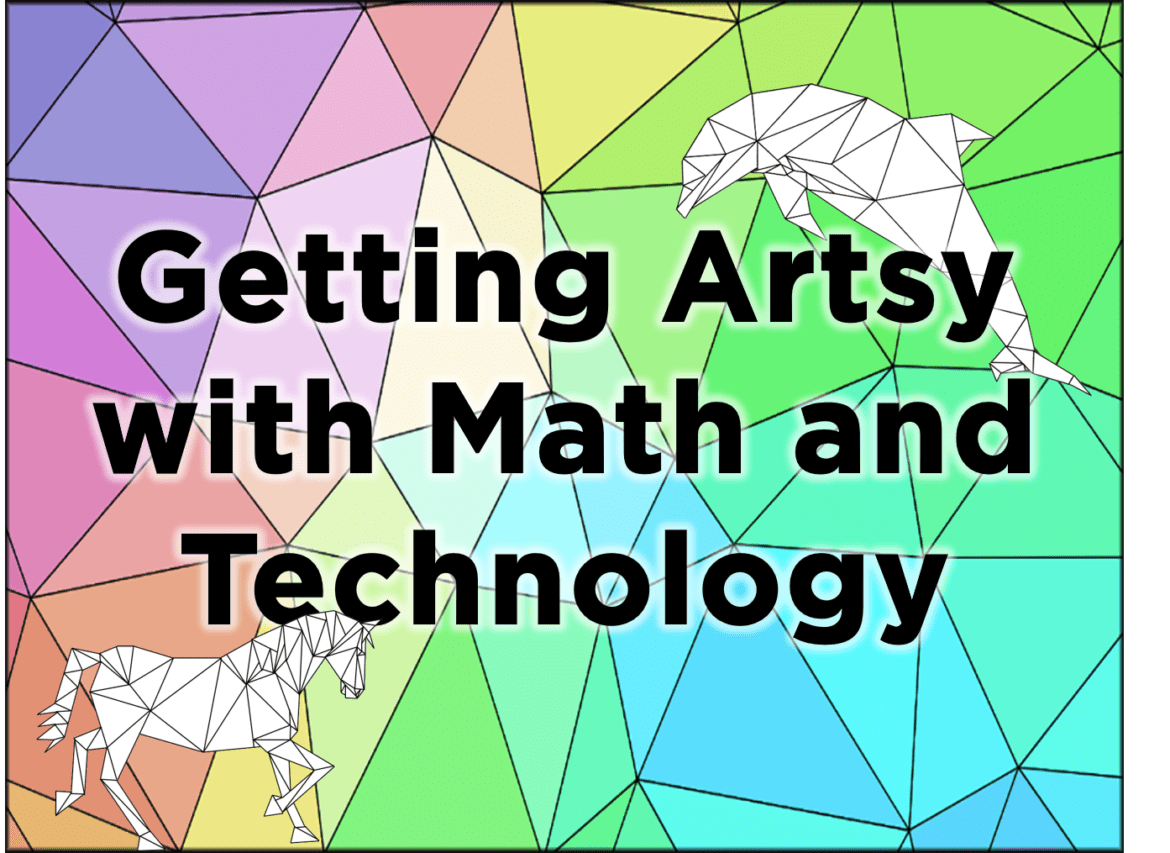
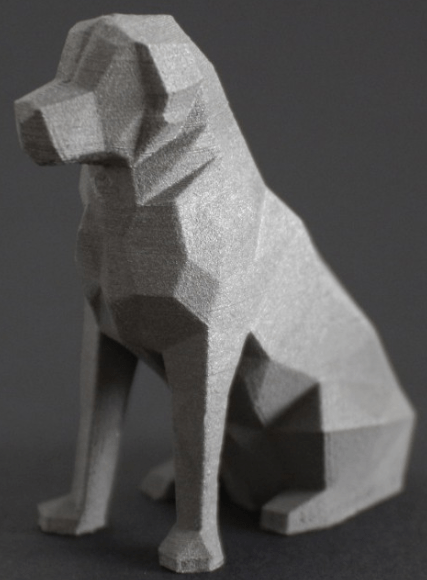
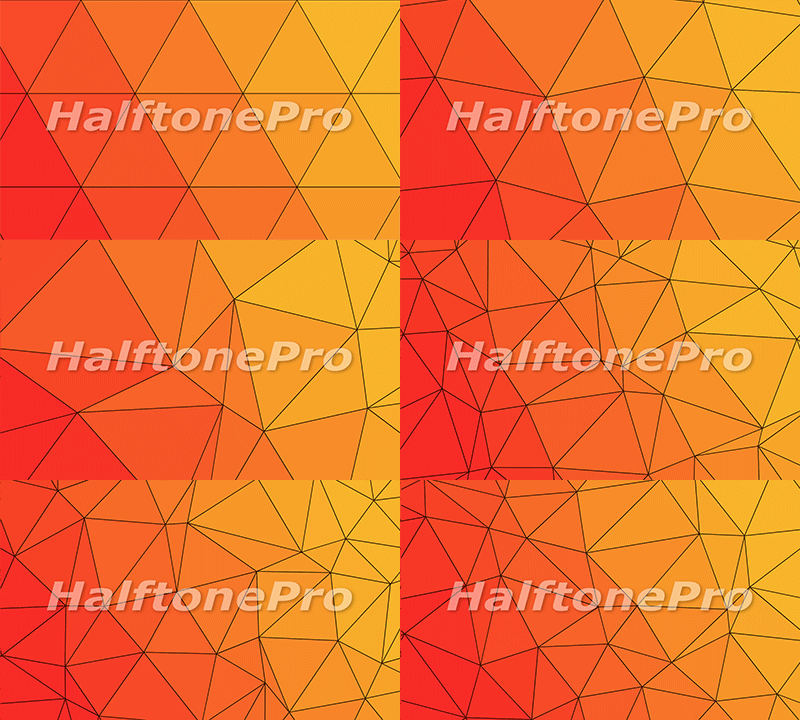 Low poly has been around for decades in the computer industry. As early game designers needed a way to generate images (and later animation) that did not exceed the available memory, they found they could reduce the file size by reducing the amount of information contained in the picture itself. This was achieved by connecting a mesh of dots to form polygons that are filled with a single color. The most popular shape to use is a triangle. This method allowed designers to easily reduce an image to mathematical terms instead of every pixel having its own color. You may have noticed that even current gaming systems are making use of the retro look of low poly. News sites may apply a low poly filter when interviewing a witness that wants to remain anonymous so that their physical features are less likely to be identified.



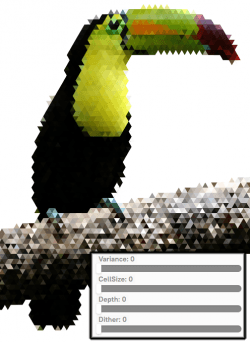
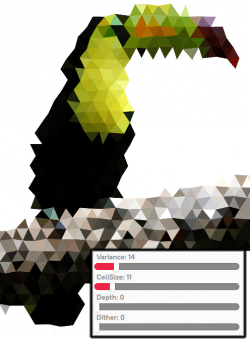



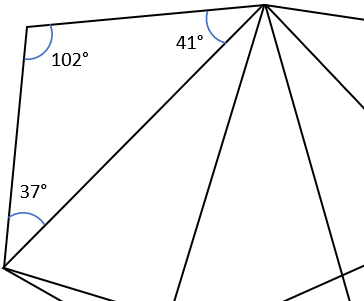 Identifying Angles – Because low poly can be made using only triangles, give students a page from the Low Poly Samples pdf file (link below) and have them identify whether each angle is a right, acute, or obtuse angle by writing r, a, or o in the angle respectively. For older students, have them use a protractor to identify the exact angle and have them write the measurement in each angle. Students can easily check their work by calculating the sum of the angles in the shape. The sum of the angles in a triangle will equal 180°, while the sum of the angles in a polygon with four or more sides is equal to 360°.
 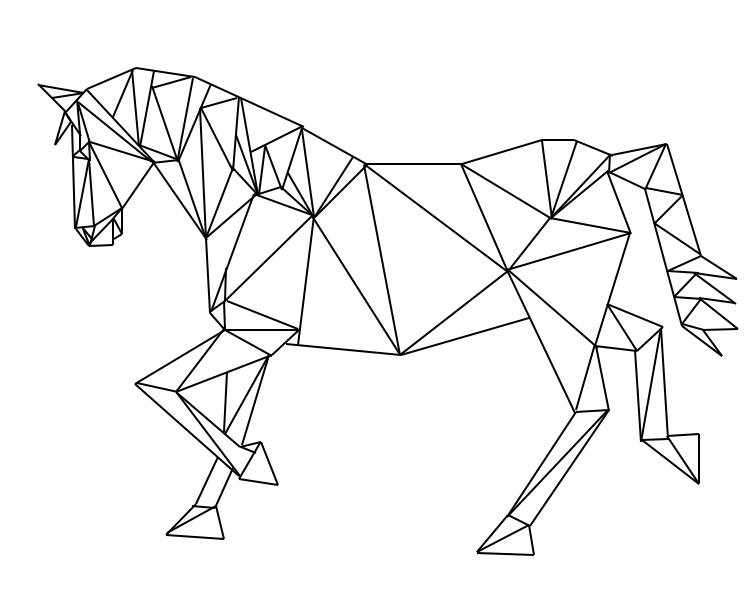 Low Poly Animals – Provide animal shapes for students to use as patterns. Laying a sheet of blank paper over the pattern, students trace the image using only straight lines and fill the image in with line segments to create triangles, squares, pentagons, etc. but no curved lines. The image to the right is my work using this method.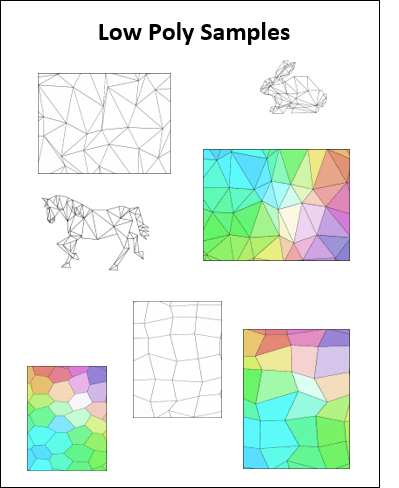

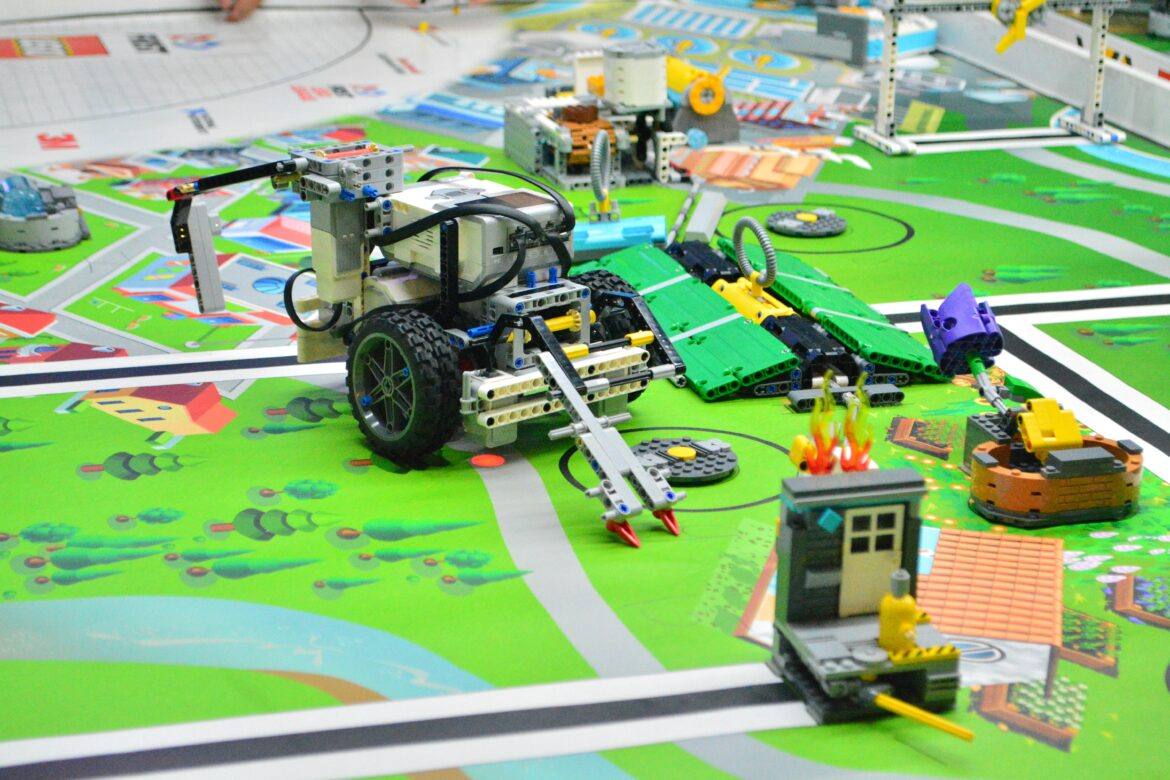


 videos, all of which you can use in your classroom. The trove of resources is organized into pages for

 It’s not just new partnerships and kits.