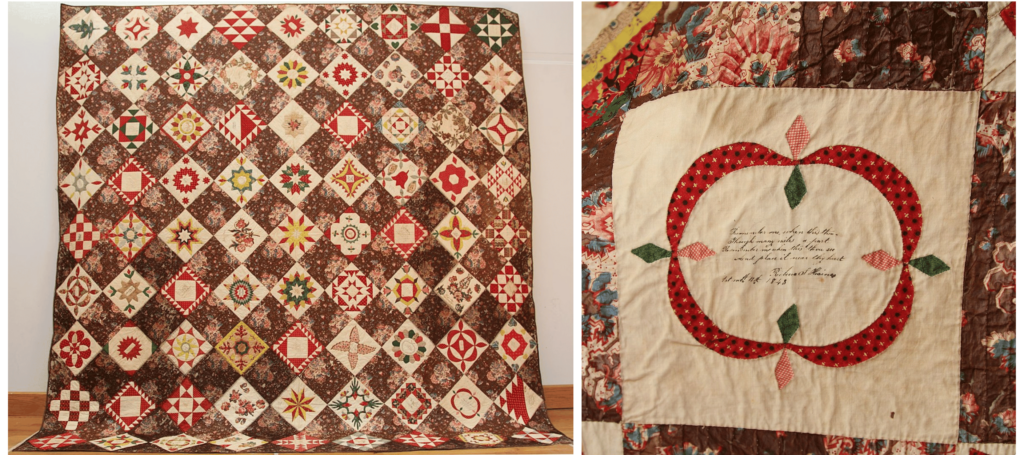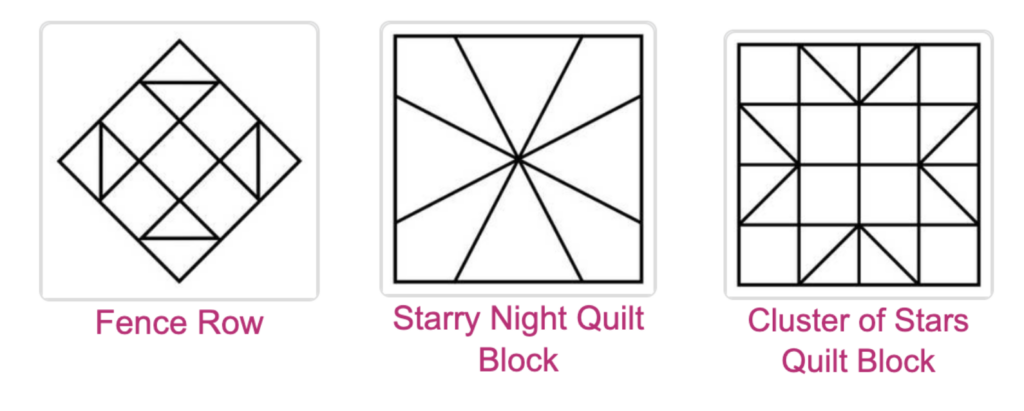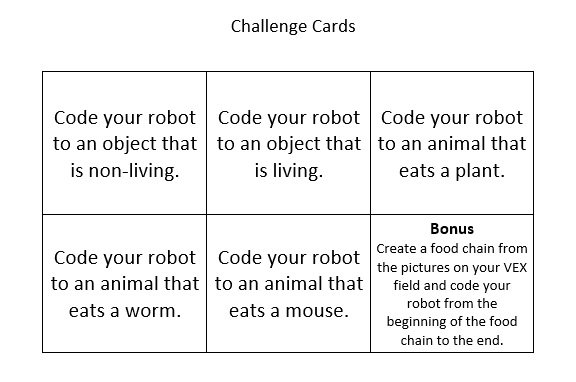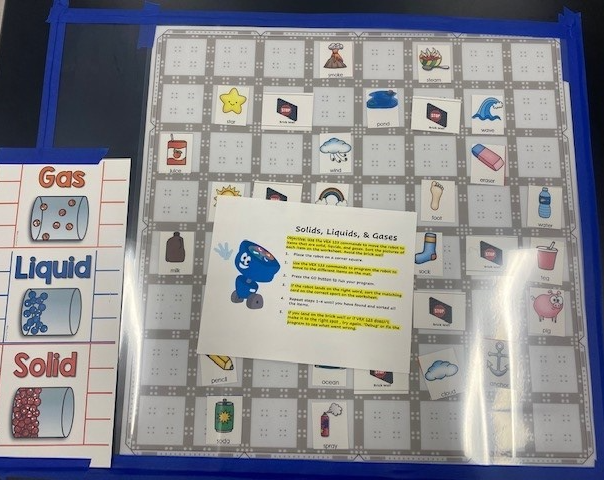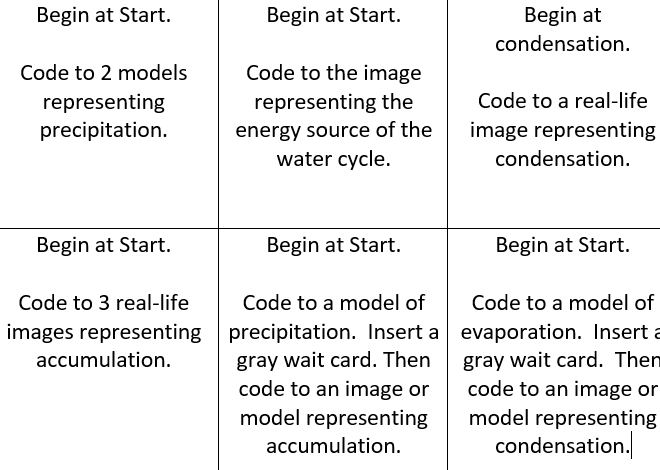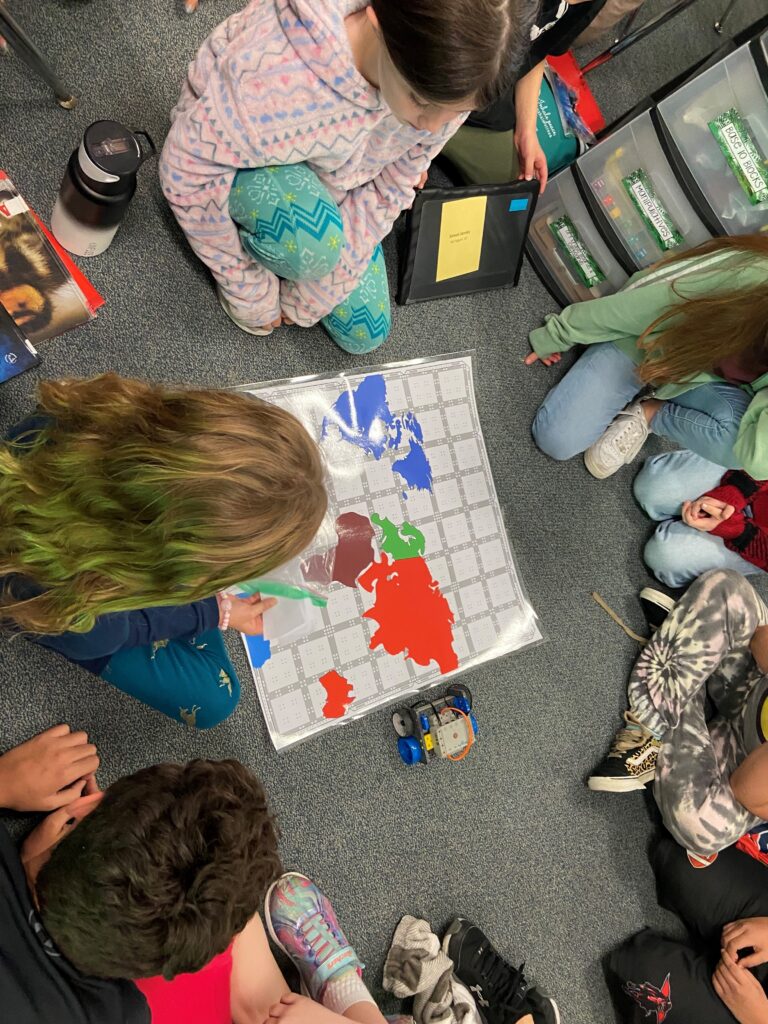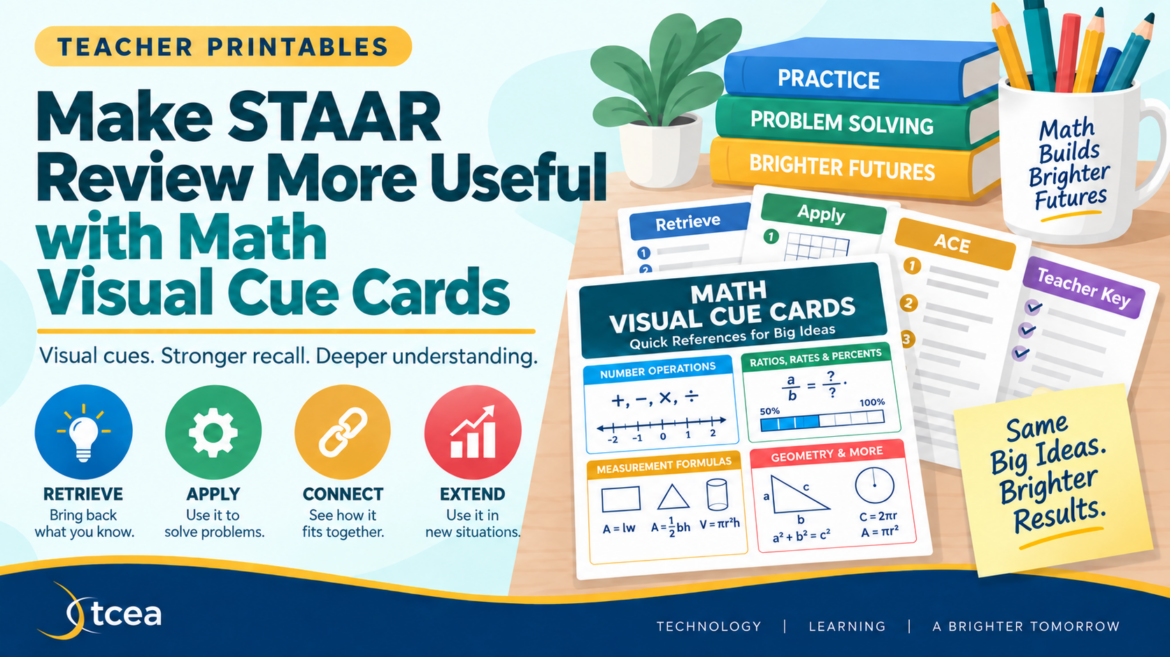
You taught the rule. Students practiced it. Then two weeks later, somebody looks at a problem involving negative numbers as if the minus sign just arrived from another planet. That is where a good visual cue can help. To be honest, I could have definitely used these as a poor math student.
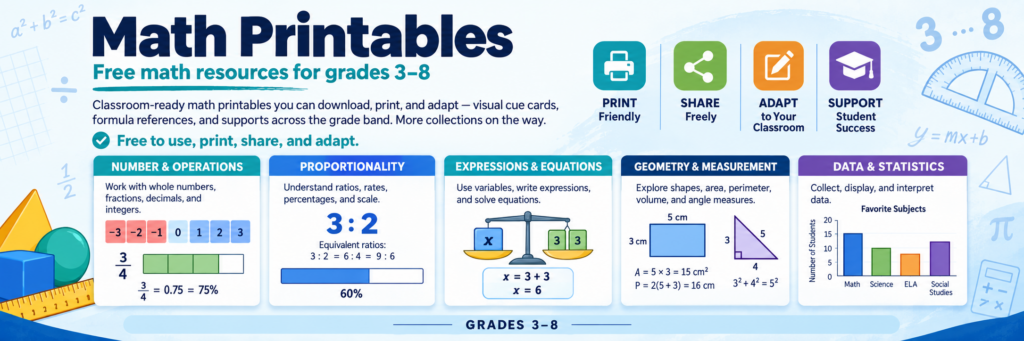
The latest addition to the Teacher Printables collection is a set of Math Visual Cue cards designed to give students quick visual reminders of mathematical relationships they have already learned. You can print them, project them, or slip them into student notebooks.
Did You Know?
There are many visual cue documents available in addition to Science elementary and middle school. Those include math visual cue cards that are teacher printables. Explore Literature Circles teacher printables as well.
Math Visual Cue Cards To the Rescue
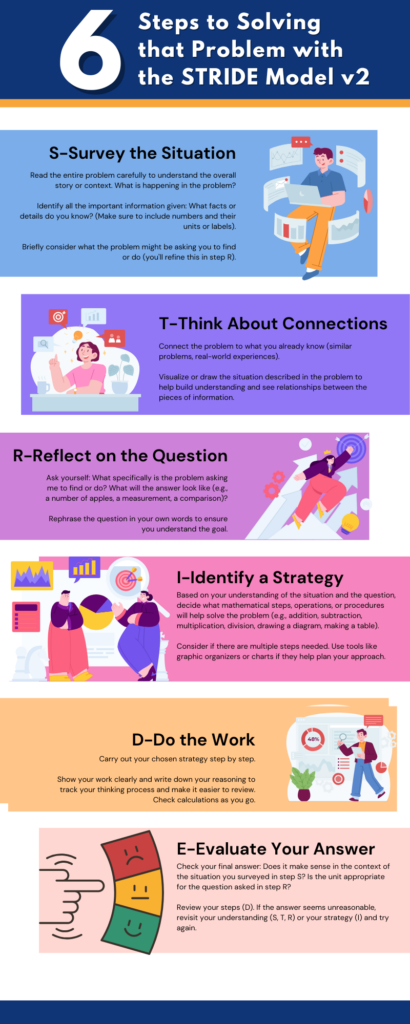
There is a difference between giving students the answer and giving them something that helps them retrieve what they know. That is the idea behind these math aids. Instead of another page of notes, students get a compact visual reference for concepts that can get tangled up during problem solving.
Most of the concept cards also include a four-page activity packet built around Retrieve, Apply, ACE, and a teacher key.
Here are five ways to put the collection to work.
Great teaching grows one strategy at a time. Join TCEA for Pedagogy Showcase: Igniting Excellence on November 7 for two and a half hours of practical, classroom-ready professional learning. Explore strategies for strengthening instruction, engaging students, making thinking visible, meeting diverse learning needs, and using digital tools and Gen AI with purpose. Leave with ideas, templates, and resources you can put to work right away.
1. Make Number Operations Easier to See
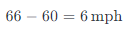
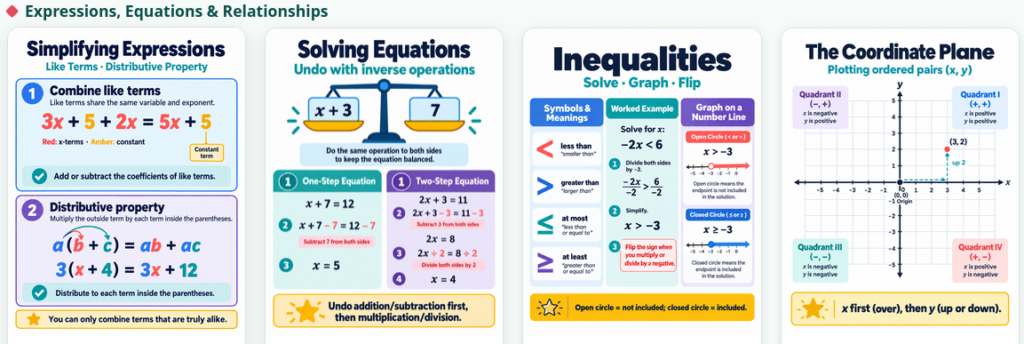
Integer rules and order of operations can become a blur of signs, symbols, and memorized phrases.
A visual reference gives students something concrete to return to while they work. Use the card during instruction, then pull it back out during warm-ups or independent practice.
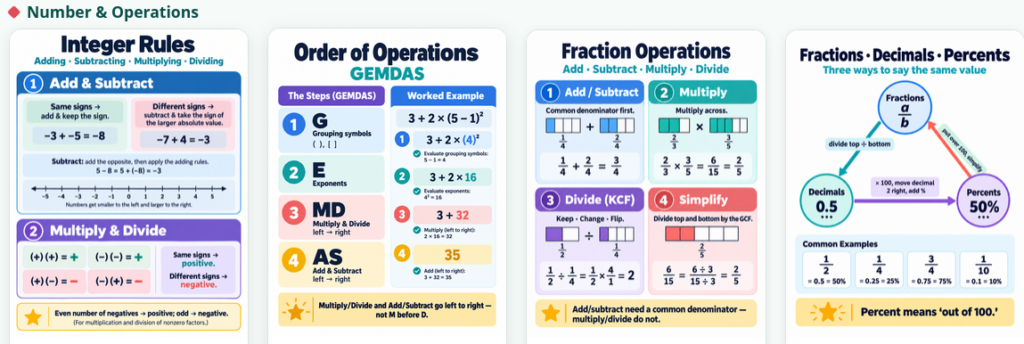
I like this approach because the student still has to do the mathematics. The aid provides the cue, not the solution.
2. Make Proportional Reasoning Visual
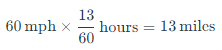
Ratios, unit rates, and percents make more sense when students can see the relationship rather than trying to remember another rule.
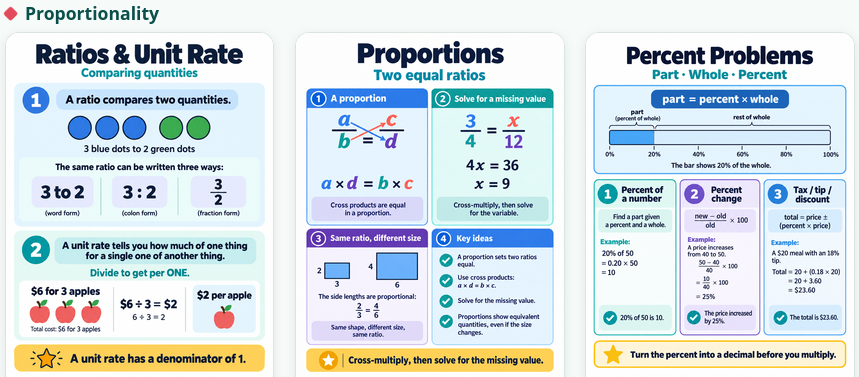
The collection uses visual models, including percent bars, to make those relationships easier to retrieve when students encounter a new problem.
3. Keep Formulas Within Reach
Measurement problems can fall apart when a student remembers the concept but forgets the formula.
The collection includes a one-page measurement formula reference that can serve as a quick problem-solving aid during instruction and review.
Again, the goal isn’t memorizing a page full of formulas five minutes before a test. Use the reference while students solve problems so they learn when and why each formula applies.
4. Put Them Into Stations and Intervention
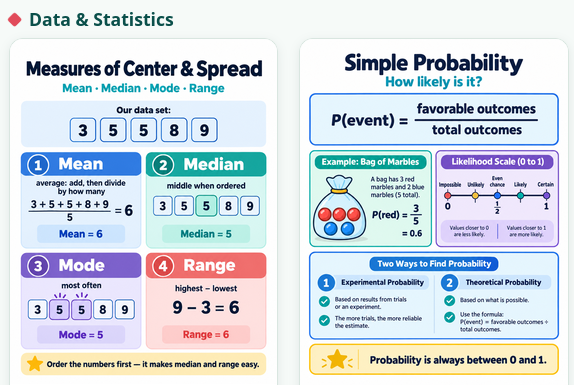
Wondering how you might use this? One approach may be to offer a single concept card to a group of students. That makes these printables easy to use for intervention, tutoring, stations, bell ringers, or targeted review. The accompanying activity packets give students a chance to retrieve the idea, apply it, and then ACE it.
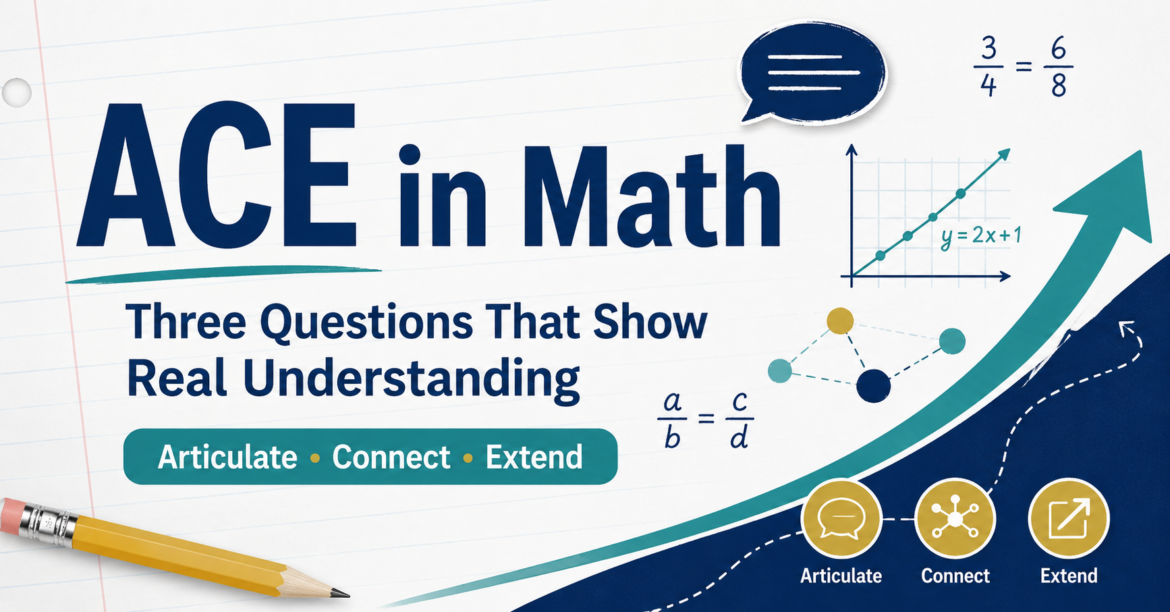
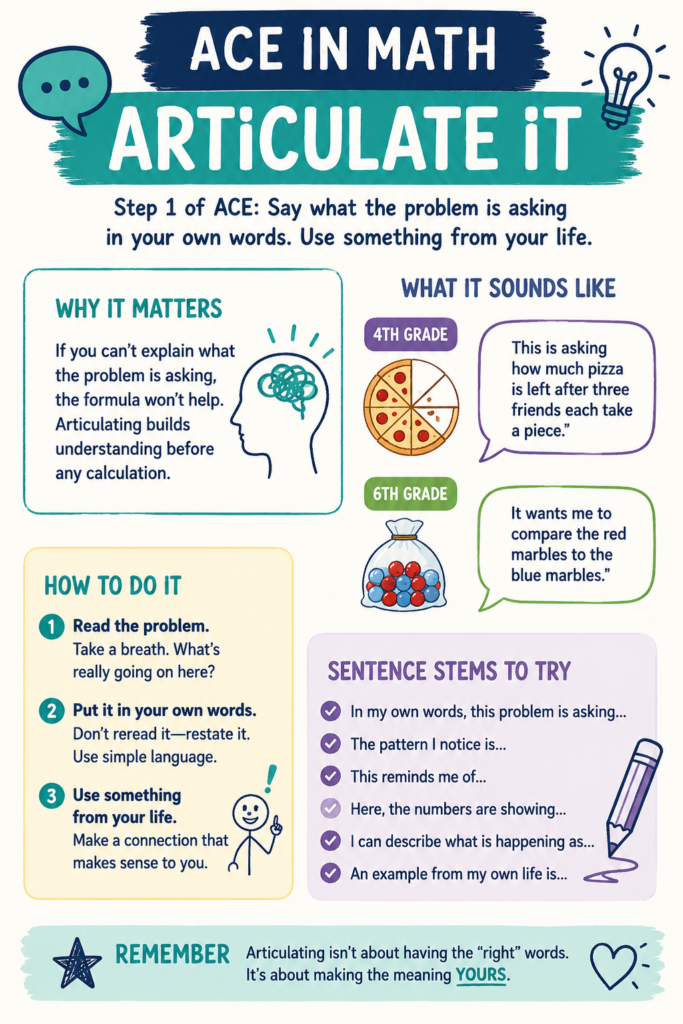
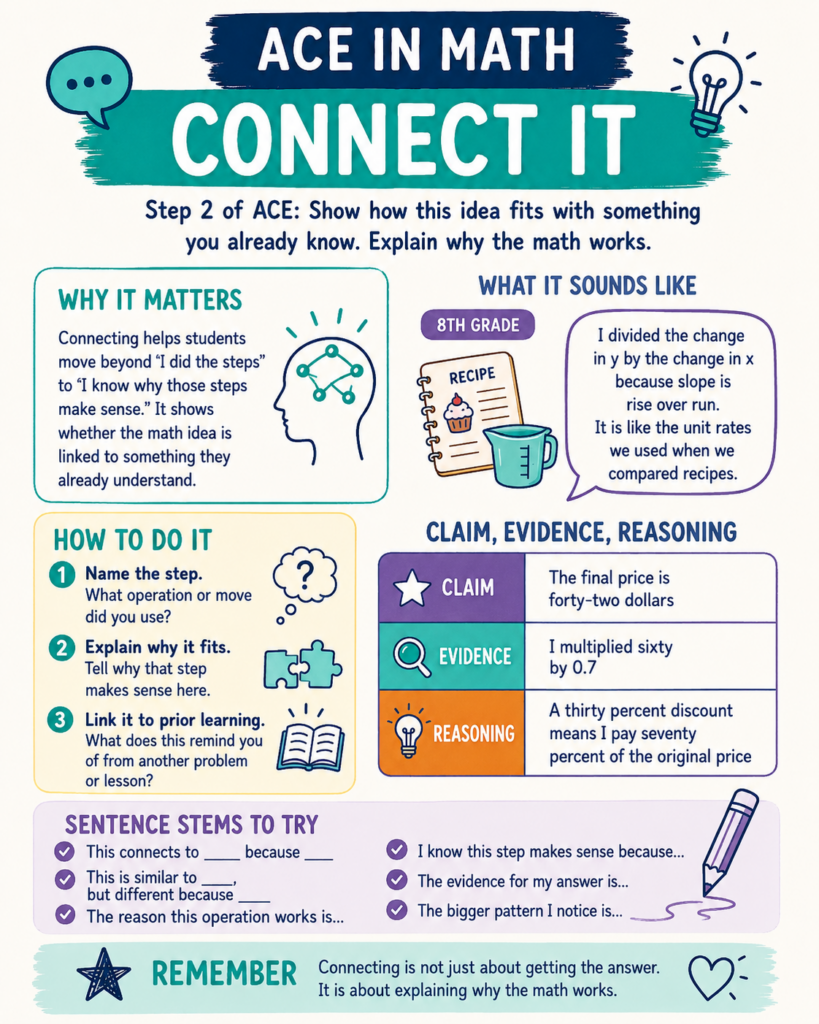
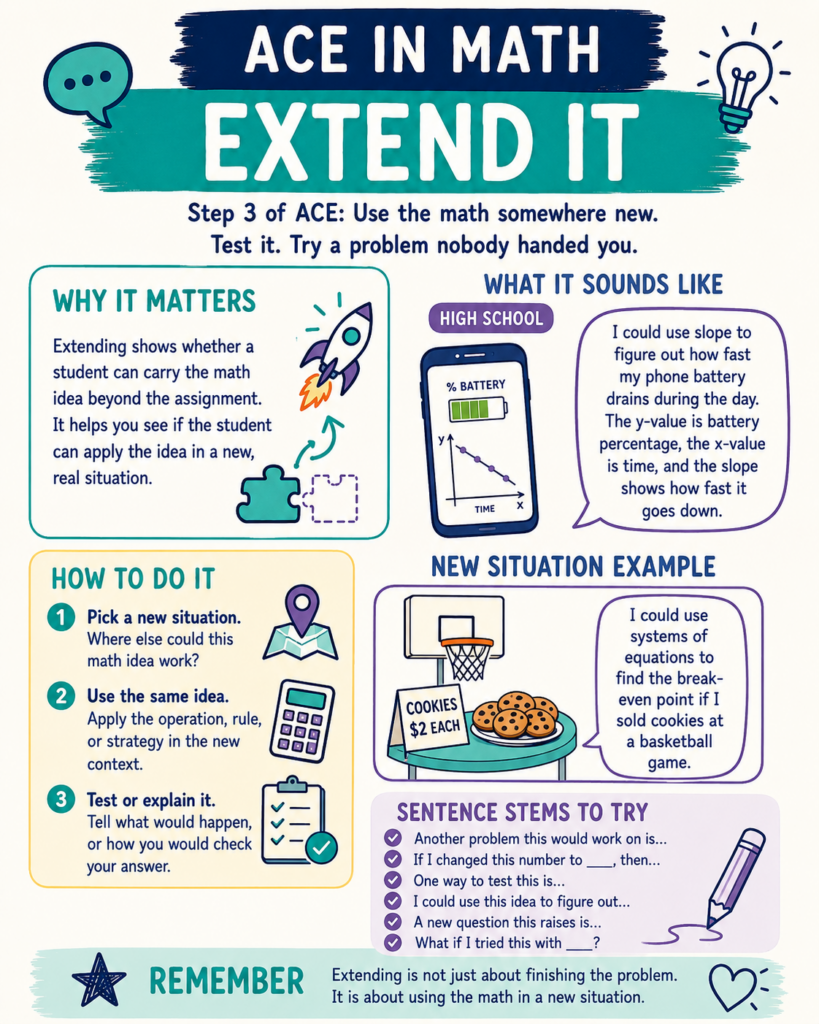
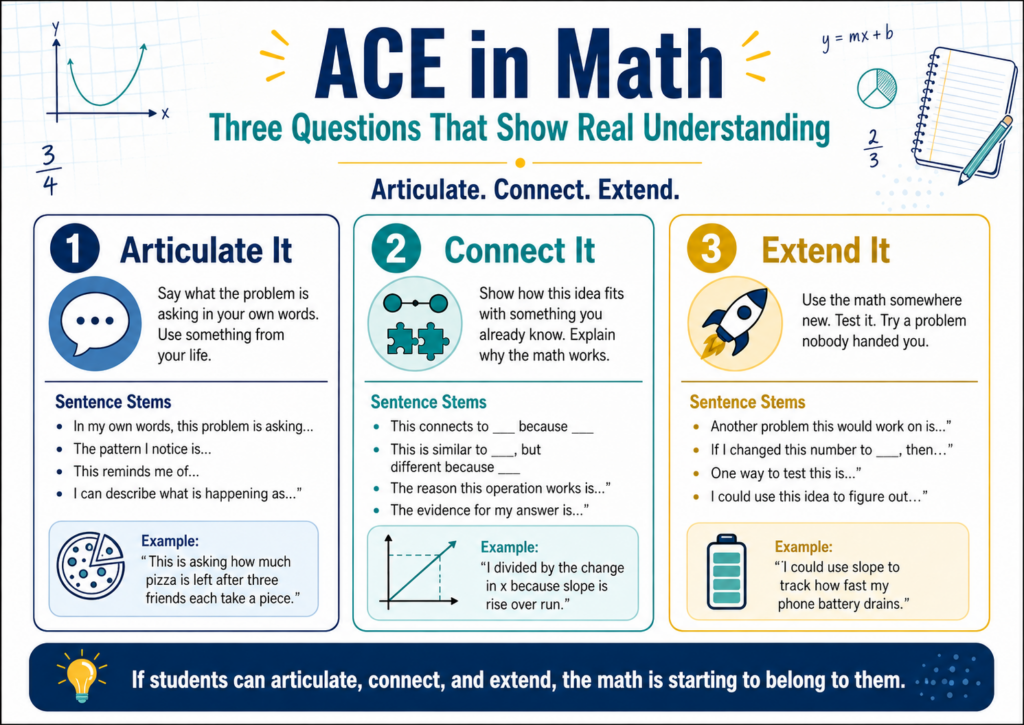
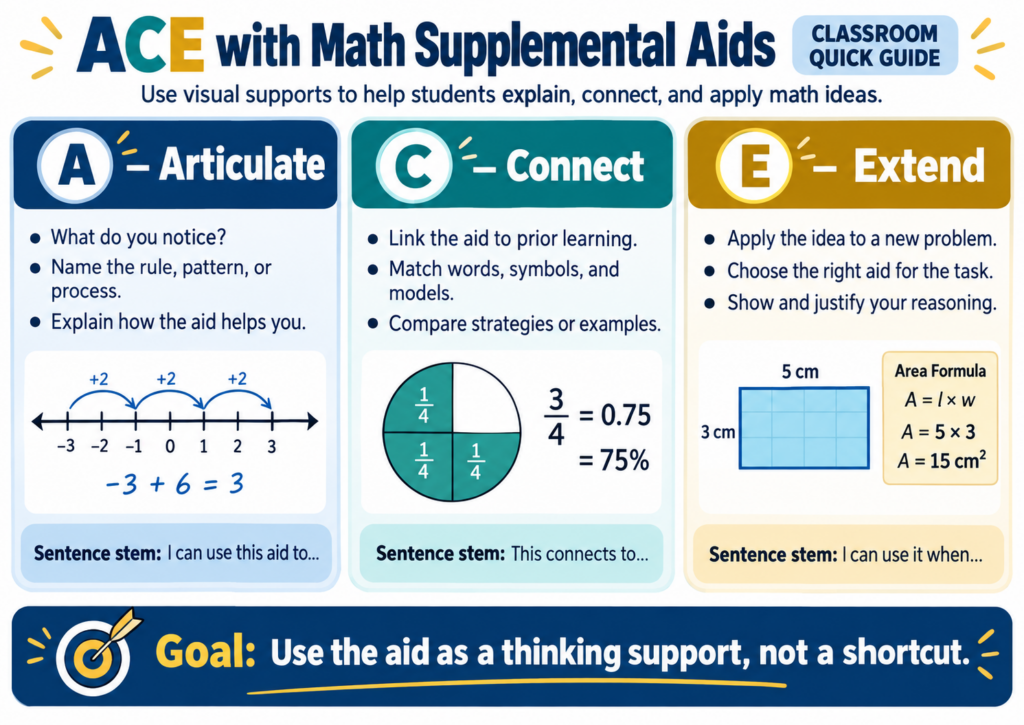
With ACE, students move beyond getting an answer:
- Articulate: Explain what you did in your own words
- Connect: Show how the idea connects to what you already know
- Extend: Apply it to a new problem or situation
5. Build the Cue Before Test Day
Avoid handing students a visual aid for the first time right before an assessment. Introduce it while you are teaching. Let students solve problems with it, explain what each section means, and decide when it is useful.
The visual should help students retrieve a relationship they already understand, not replace that understanding.
Start with the Math Visual Cue Card collection, pick one concept your students are working on now, and make the visual part of instruction before it becomes part of review.
Explore the STAAR Supplemental Aid Candidate Library
Explore Supplemental Aid Candidate Library gives Texas educators practical, classroom-ready supports students can use to make challenging content easier to understand.
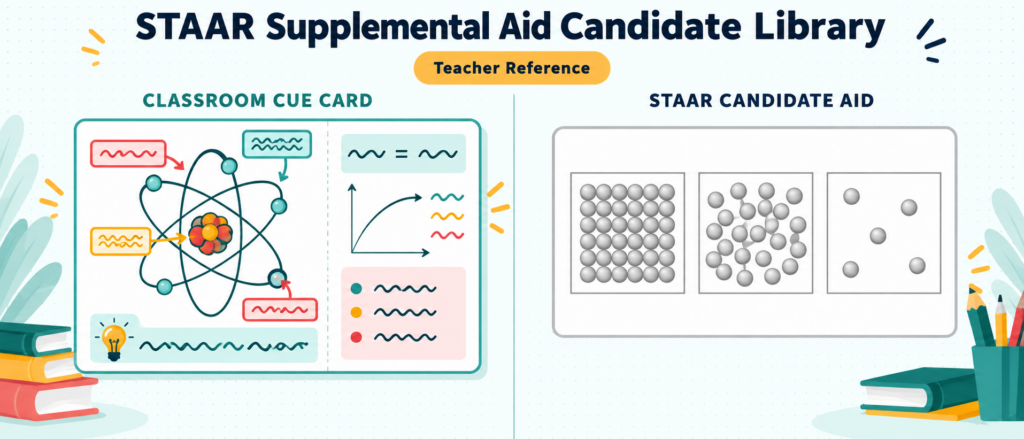
The collection is designed as a quick-reference resource, with clear visuals and organizers that help students recall key concepts, processes, vocabulary, and relationships without replacing instruction. Teachers can use the guides during daily lessons, intervention, review, or assessment preparation, making them especially useful for students who benefit from structured visual supports.
Access it here. You will find both math and science available.
👤 Human-directed (Miguel Guhlin) · 🤖 Gen AI-assisted (Claude, ChatGPT)