Creative writing can be a challenge. Faced with a blank sheet of paper, a blinking cursor, or a stack of ideas, we might balk. This feeling is the dread specter of writer’s block — a feeling that, no matter how prepared to write about something we may be, putting words to the page in the right order (and in the right amount) can be paralyzing, even for seasoned writers.
Archers often experience what’s called “target panic,” where their body and mind lock up when the archer aims for the target. Golfers get the “yips,” a sudden inability to carry out the fine motor skills required for the sport, especially when putting. Aviators, motorcyclists, and race car drivers sometimes fall victim to “target fixation” — becoming so focused on a target that they increase their likelihood of unintentionally colliding with it.
Unblocking the Writer
Over the years, many solutions and aids have been developed for creative block. Mind mapping, discussion, journaling, and more have proven effective. And sometimes, forcing oneself to put something on the page, no matter how unrefined, can help.
A writer friend of mine recently offered me advice on starting a draft: Just write it. Write it all down, and when you’re done, you can edit what you have into something closer to your goal. Sometimes, the best way to write is to simply do it.
That’s the idea behind National Novel Writing Month, known colloquially as “NaNoWriMo” (naa-no-rye-mo). Started in 1999, it’s an event and a nonprofit organization dedicated to helping people create their first book, novel, or other creative writing endeavor. To do so, participants agree to do their best to write 50,000 words — a novel’s worth — during the month of November.
It’s a tall order, and many don’t succeed, but that’s not entirely the point. Regular writing can help prompt students to explore writing in new ways, write about topics they care about, or simply learn what it takes to explain their ideas in writing.
Inspiring Young Writers during National Novel Writing Month
To help teachers and students engage in the month-long writing binge, NaNoWriMo has developed the Young Writer Program, designed to inspire young people to write under the theme “Your Story Matters.” Educators can check out the FAQs about the program here, learn more details on the Getting Started page, and walk through the sign-up process here.
Educators should also check out The NaNoWriMo Classroom, an online resource made specifically to get students involved in the month. The NaNoWriMo Classroom offers daily agendas to help build young novelists, as well as thoughtful questions to consider, FAQs, and tech tips to help you keep the writing process going.
I have never in my life tried to do something so daring and adventurous. I am a pretty daring person, but I do not think I would try to write a novel on my own without any support or encouragement. So thank you.
— Julia, 13 http://www.nanoteacher.org/student-testimonials.html
Have you ever taken part in NaNoWriMo? Are you trying it this year? Let us know in the comments!


 You have probably already heard of Flipgrid and perhaps even started using it, at least to some degree. It definitely seems to be the perfect tool to support students in many ways, not to mention using it as a way to provide peer- and content-support to teachers.
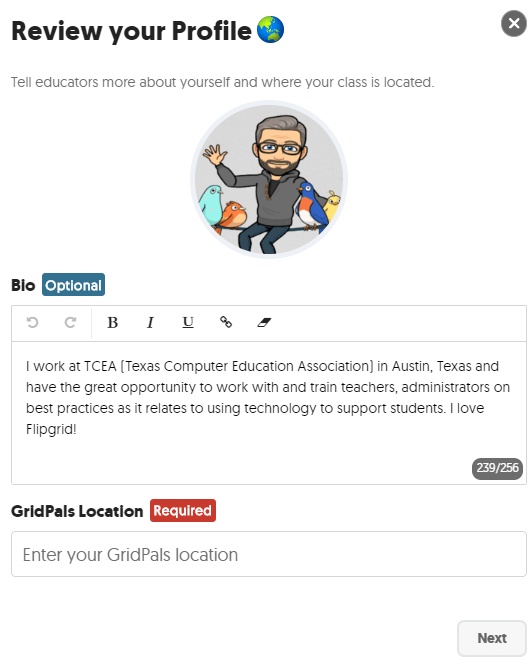
 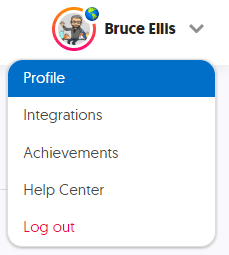 Begin by making sure that your profile is updated. Don’t be shy. This will allow others to better connect with you. Click on your image in the top right and select Profile. Select a photo or avatar for your profile picture. If you have a picture that has a busy background or you want to use a quick editing tool to remove the background (as I did on my
  GridPals is, as you may have deduced, Flipgrid’s version of pen pals. It’s a super easy way to connect with other educators and enthusiasts to further learning and improve education.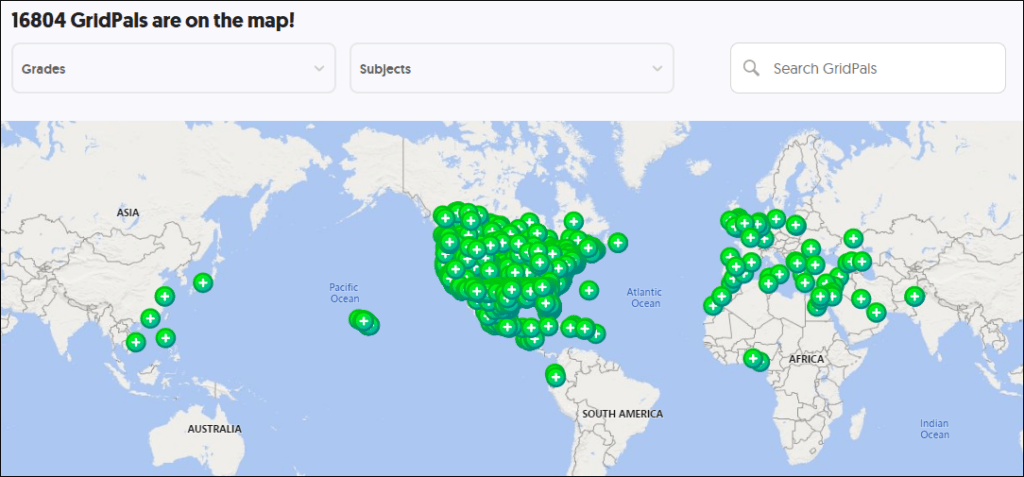
 Featured Disco Playlists are sets of topic templates provided by various organizations such as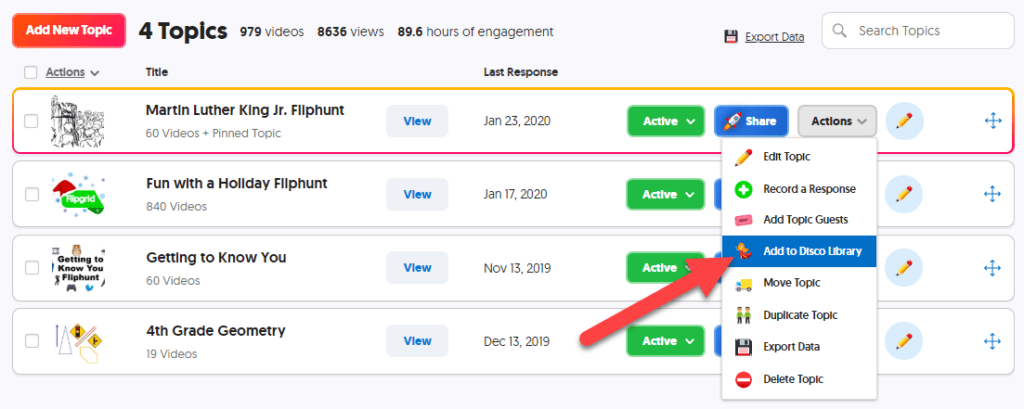
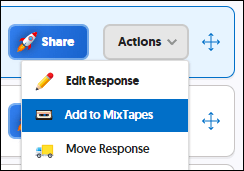 No, this isn’t creating mixtapes on cassettes like we might have done back in the ’80s and ’90s to give to someone special. This is a whole new way of sharing — but based on the same principle.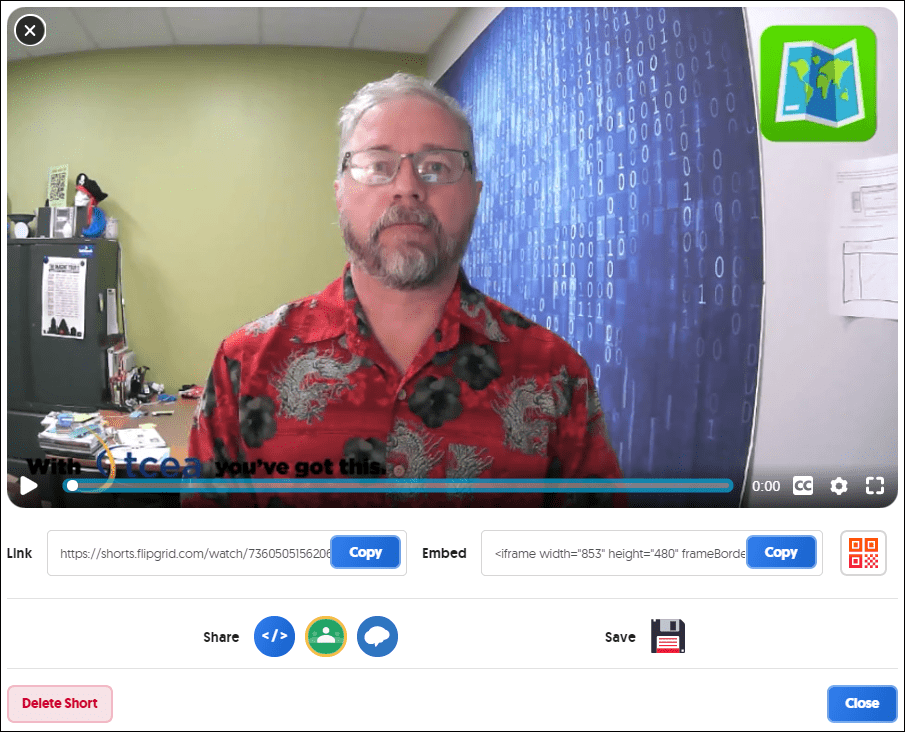
 So how do you use Flipgrid? Which feature(s) have you found to be the most impactful? Even if you haven’t had a chance to use Flipgrid, have you come across an innovative way to incorporate it in the teaching and learning process or in professional development? We’d love to hear from you!

 Captioning is required by law. Relevant law includes