Stay updated on the latest education trends. Explore tools, strategies, and insights to keep your teaching and learning practices innovative.

As I get ready to head to convention — which I’ll be attending when this is posted — I’m struck by how excited I am to see everyone for the first time face to face.
It’s a bit confusing, really. I’ve already engaged with many of our members on webinars, on conference calls, on video exchanges, and on (many) emails. I’ve worked with them on their membership profiles, their Community profiles, their registration records, and more. The sheer volume of words we’ve exchanged in one form of communication or another must number in the tens of thousands.
And yet, I’m still excited to meet them face-to-face, because I know I’ll really be meeting them for the first time. Despite all our advancements in technology and communications, there simply isn’t a substitute to being physically with a person, in their presence, face to face.
I have a small Slack group I’ve maintained with a few friends over the past years, and it’s been incredibly valuable for me. Between work and kids, making time for myself and my wife is hard enough, let alone finding the time to develop new relationships and make new friends. So even though we’re scattered across the country, my old friends and I still have time to send each other messages, stay up to date on what’s going on, and rant about the news as we all, one by one, become husbands and dads and progress through middle age, and generally deal with life.
Person to Person
Or at least, Slack seems really valuable – until I have the chance to meet with my friends in person.
When that happens, the things they discuss are wildly different from what they’ve shared in the Slack. From medical anxieties to disaffection at work to serious changes in relationships, it instantly becomes clear that what they put in the Slack – theoretically a far more intimate social media environment than Facebook or Instagram – is still a far cry from reality. All that they have expressed through these digital mediums is still not who they really are or what they’re struggling with.
Part of it might be that the medium is the message, and since Slack and the rest are fundamentally productivity apps, they’ve turned relationships into task management – which is very different from maintaining a real relationship. Marking an email as “read” is not the same thing as signaling sincere comprehension. Having a friend is not homework.
But, really, it’s common sense. There is an entirely different atmosphere when a co-worker comes to you and sits down with you at your desk, as opposed to messaging you on whatever app your organization uses. This is because the breadth of in-person communication is simply too big to ever be captured digitally: from your posture, to your intonation, to the way you consider a phrase before saying it aloud – being in someone’s physical presence shares far, far more than just words, images, and emojis. And it’s this depth of sharing that allows us to grow comfortable in one another’s company and share our truest selves.
Meeting the Challenge
This is why I think that even as communications advances, in-person meetings will still be valuable. They’re even more valuable when the subject matter grows more important: the greater the consequences of what we’ll discuss, the more I want to be face to face with you and see you react as we discuss it. And as the internet continues to globalize and we grow a little more anxious about who it is we’re communicating with in all these chats – as well as who else is reading what we write – I think a personal conversation will only grow more precious.
But really, I think it boils down to human nature: we are a communal species. Every communicative layer that we put between ourselves and another physical human being makes it harder to feel honest, and increases the chances of miscommunication, or – much more likely – basic apathy.
As one member I worked with put it, “I’ve never made a friend on a conference call.” Though we might dream up countless new ways of speaking, I doubt if they’ll be any more conducive to making friends.
Image by Gerd Altmann from Pixabay


 You have probably already heard of Flipgrid and perhaps even started using it, at least to some degree. It definitely seems to be the perfect tool to support students in many ways, not to mention using it as a way to provide peer- and content-support to teachers.
 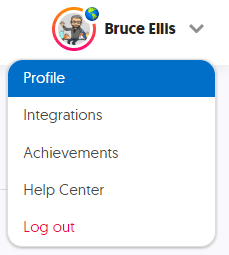 Begin by making sure that your profile is updated. Don’t be shy. This will allow others to better connect with you. Click on your image in the top right and select Profile. Select a photo or avatar for your profile picture. If you have a picture that has a busy background or you want to use a quick editing tool to remove the background (as I did on my
 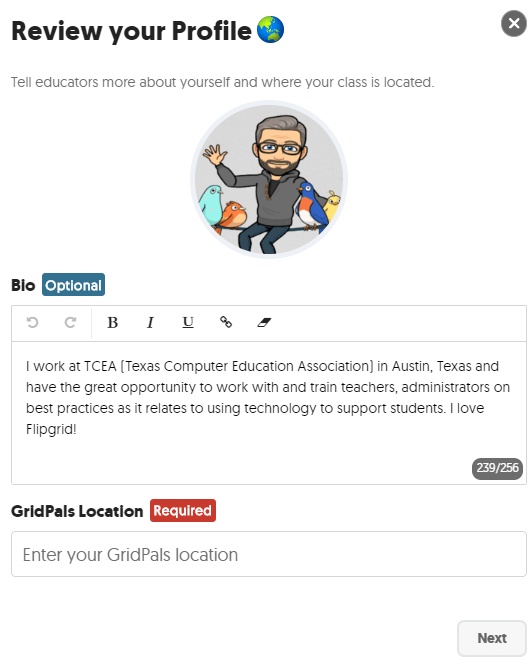 GridPals is, as you may have deduced, Flipgrid’s version of pen pals. It’s a super easy way to connect with other educators and enthusiasts to further learning and improve education.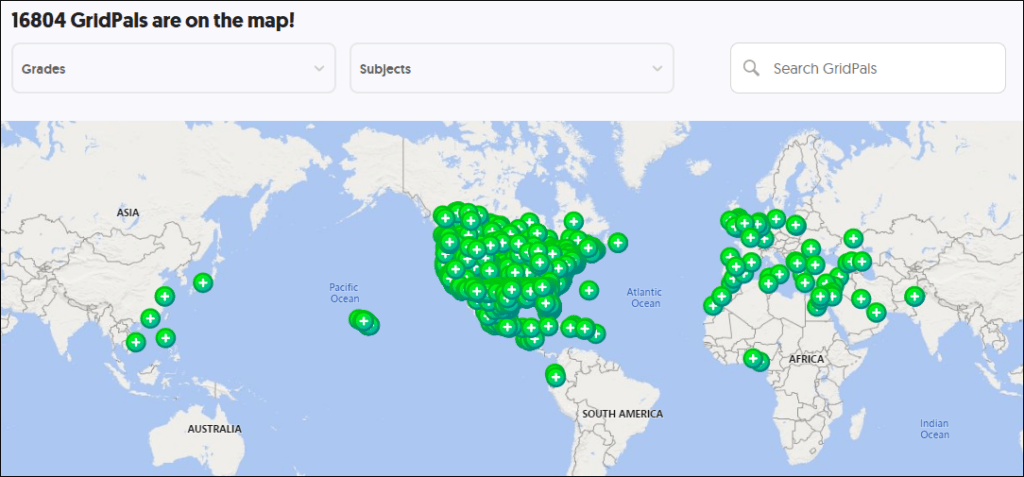
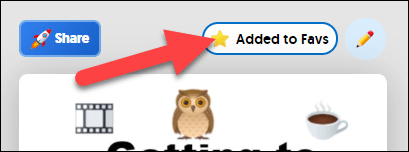 Featured Disco Playlists are sets of topic templates provided by various organizations such as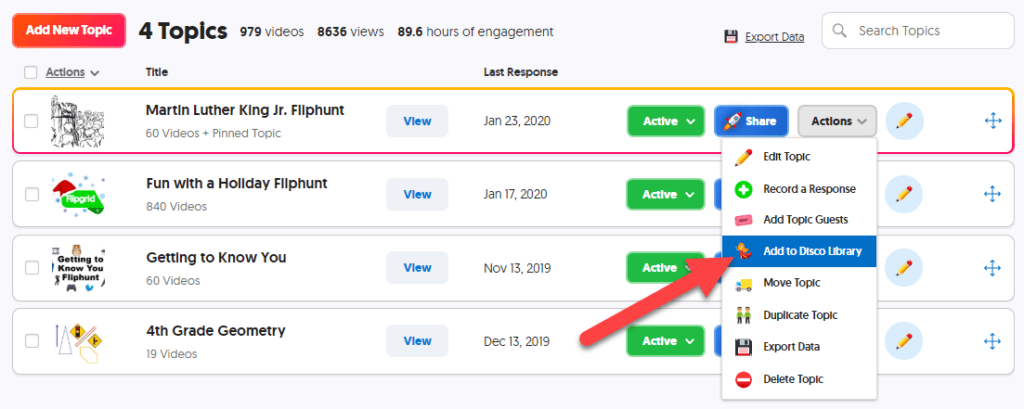
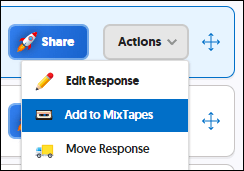 No, this isn’t creating mixtapes on cassettes like we might have done back in the ’80s and ’90s to give to someone special. This is a whole new way of sharing — but based on the same principle.
 So how do you use Flipgrid? Which feature(s) have you found to be the most impactful? Even if you haven’t had a chance to use Flipgrid, have you come across an innovative way to incorporate it in the teaching and learning process or in professional development? We’d love to hear from you!