Stay informed on education advocacy. Explore updates, insights, and resources to support policies that empower educators and students.

Last week, we took a look at some of TCEA’s legislative priorities for the 2021 session of the Texas Legislature. This week, we explore digital learning topics and policies.
Legislative Priorities for Digital Learning
Technology Planning

Technology is ubiquitous in our society. Almost every aspect of our day is powered by technology. This is true for a school district as well. This has required many districts to quickly adapt as they strive to find personnel that have the level of technical expertise that is required to support sophisticated networks, teachers who can leverage technology to support student learning, and staff with the skills to analyze data that was once only needed in the corporate world. The network and equipment these staff members need must also be purchased and maintained in a safe and secure environment. All of this must be accomplished with limited funds. But none of this is possible without careful planning. Currently, Texas school districts are not required to create, follow, or update a technology plan.
Teacher Readiness
In a recent report written by Common Sense Media, it was noted that 56% of teachers felt that lack of training is a “significant or extremely significant problem.” The quick pivot to remote learning was taxing on many teachers. They were unprepared to adapt to the demands of knowing how to use the conferencing platforms, but also how to integrate the technology tools within their pedagogy and their content. In 2011, when districts lost the Technology Allotment, many schools disbanded their instructional technology training teams. These districts had used their Technology Allotment funding to pay for personnel to train their teachers. When that resource was eliminated, so were those positions. We are still reaping some of the consequences of the loss of that dedicated technology funding.
Digital Literacy
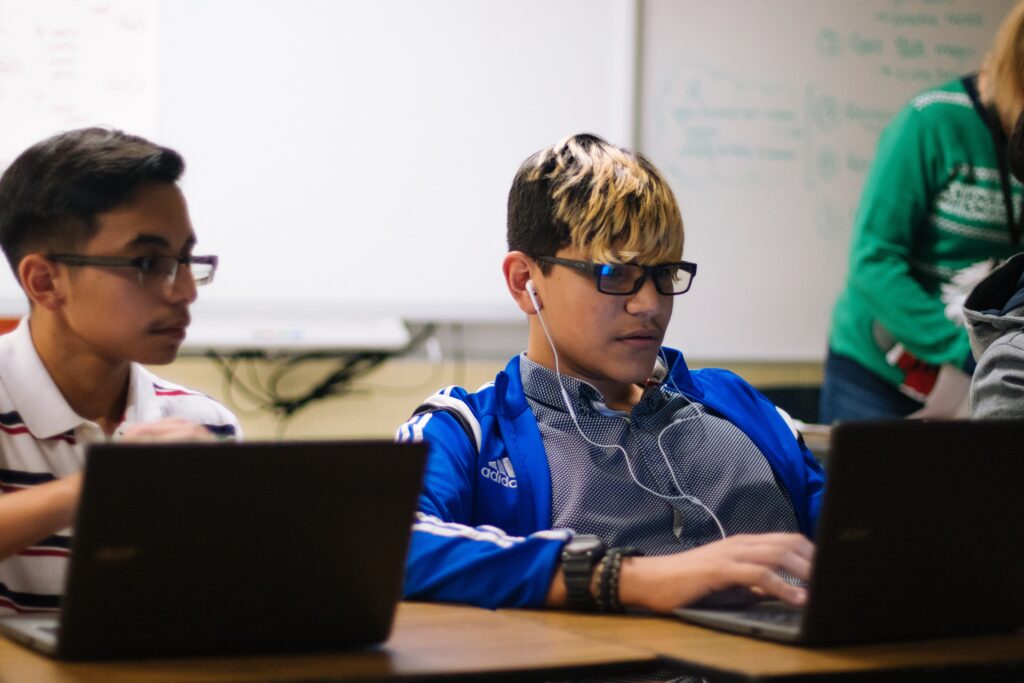
There is a mistaken assumption that since most children and teenagers have a smartphone, they must be digitally literate. Knowing how to use a consumer product and how to utilize digital technology for work and learning are two separate skill sets. The digital literacy skills that students need today are complex and require not only access to a variety of technologies, but also instruction and guidance in how to leverage digital resources in order to research, create, analyze, curate, and collaborate as they are acquiring new knowledge and skills. At the same time, they need to be taught how to protect themselves and their data since much of their life will be lived online.
Technical Support

School districts often have the largest and most sophisticated networks within a community. These networks must support the growing technical demands of the school district while protecting the student and staff personal information from cybersecurity attacks. These networks and the digital devices that access the networks require technical staff that can keep up with the demands of a large scale deployment of devices. They are often understaffed and underpaid, but they are committed to the core mission of the school district. These dedicated personnel are managing complicated networks and face many security challenges. Keeping them trained and staffed at a level that is manageable is a challenge. It requires funding for technical equipment, salaries, and training to provide the level of support required to ensure the technology is always available and is safe to use.
Recommendations to address the various components of digital learning:
In the 85th Legislature, SB 810 required the SBOE to update the Long Range Plan for Technology at least every five years. The SBOE updated the plan and added it to the appendix of the Long Range Plan for Education in 2018. The Texas Education Agency brought together a group of stakeholders together to reimagine what is possible if we utilize technology within our educational environment. TEA then took this group’s ideas and built a plan that, if enacted, would address the barriers identified by TCEA.
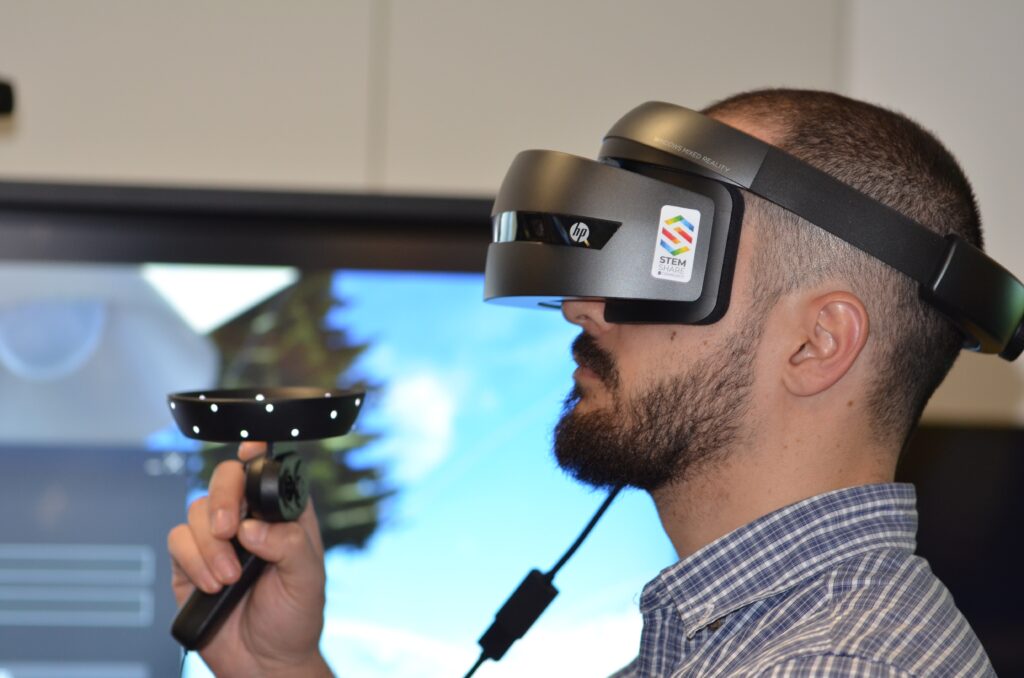
The plan has already been developed and approved. To address the barriers of digital learning, the state now needs to implement the plan. Below is a list of actions we believe the Texas Education Agency and the ESC’s should do to assist districts in implementing the Long Range Plan for Technology (LRPT).
- The Texas legislature should provide appropriate funding to accomplish the goals and strategies in the LRPT. These funds would support the following activities:
- Create a task force made up of district and state stakeholders to establish benchmarks that districts can use to measure their progress in implementing the LRPT.
- Require districts to write and adopt a three-year technology plan that demonstrates how they will align their district’s goals with the LRPT.
- Establish a Digital Teaching and Learning grant that districts can use to implement their technology plans once they are approved by the state. These grants should be available for all districts that submit an approved plan.
- TEA, ESC’s, and educational technology nonprofits should provide districts with support as they implement their plans. This could be in the form of, but not limited to:
- Technical support and advice
- Professional development for both administrators and teachers
- Workshops on best practices for implementing digital instructional materials
- Technology planning advice
- Exemplar districts who exhibit best practices are identified so that other districts could contact and visit them.
- The Texas legislature should also:
- Replace the outdated time-based system (Carnegie unit) of awarding credits and funding with one that is based on a student’s competency.
- Allow school districts to create their own full-time or part-time TxVSN school, if only within their own district boundaries.
In Conclusion
After reviewing our legislative priorities, you can see why we see 140 days as the biggest barrier to making these priorities a reality. Our enemy is the clock, not our policies. Throw in a pandemic that has negatively affected the state budget and will decrease our access to legislators and their staff members and you can see why it is imperative that we focus on a few of our major priorities. Broadband has been a priority of TCEA’s for more than eight years, but the COVID-19 pandemic has increased the chances that it will also be a priority of the Texas legislature. We are hopeful that some meaningful legislation will be passed on broadband policy.
We will look for ways to move all of our legislative priorities forward, but the clock, the budget, and access will make this a difficult session. If you are interested in following our progress and you are a member of TCEA, be sure and join the Advocacy group in the TCEA Community. If you are not a member, consider joining and/or come back to the blog for updates and check out my Twitter feed @jbergland. And finally, if you want to get more involved in TCEA’s advocacy efforts, email me at jbergland@tcea.org.



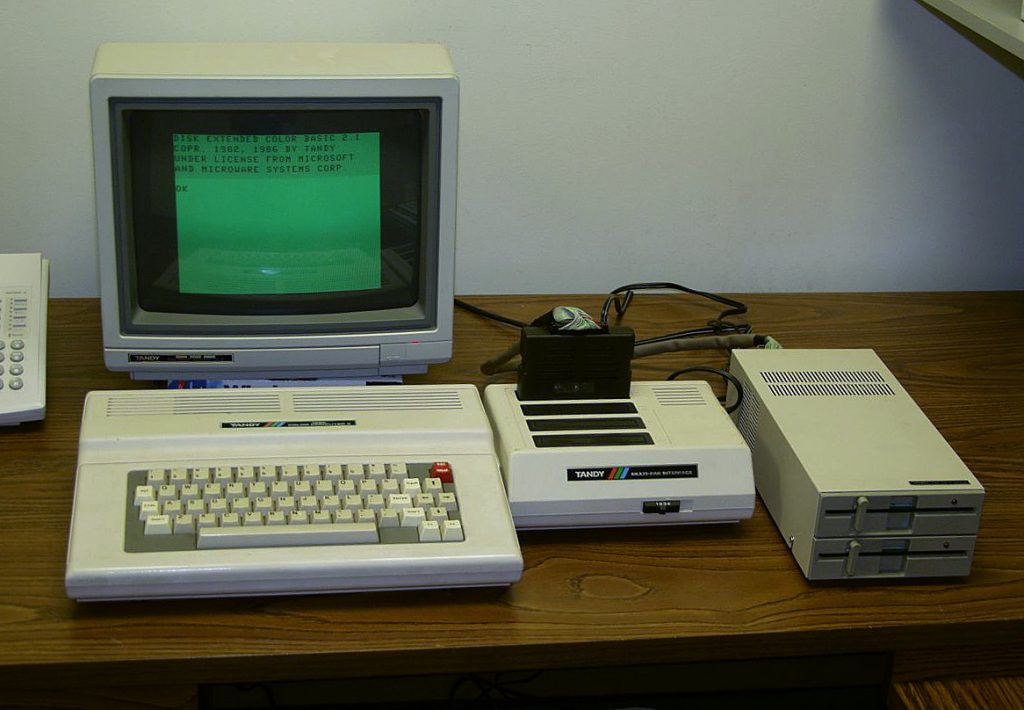



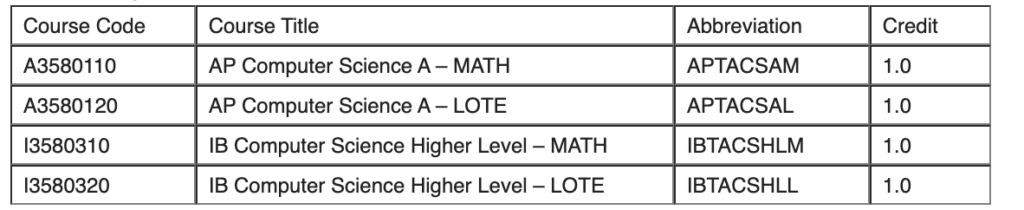

 We had some huge wins in the area of computer science and computational thinking this session. Our six-year goal of providing weighted funding for the 9-12 Technology Application courses has finally been achieved. In HB 3, the school finance legislation, the weighted funding for CTE was changed from grades nine through twelve to grades seven through twelve. In addition, the
  There are two pieces of legislation that are going to impact educational broadband. The first is HB 1960 which creates a Governor’s Broadband Council that will advise the governor on issues related to broadband access to unserved areas. This is progress, but not as much as we hoped for. There are few, if any, areas of Texas that are unserved. The original bill included underserved areas, but heavy lobbying by the large telecommunication companies eliminated that language from the bill. However, we consider this progress because we finally have some entity at the state level that will look at the state’s needs for broadband from a strategic perspective. For too long, all state entities have tried to provide affordable, scalable broadband for their own purposes when it would be much more cost efficient to survey the needs across agencies and entities and design a plan to meet all the needs. HB 1960 at least establishes a council that could do this in the future, if given the authority.
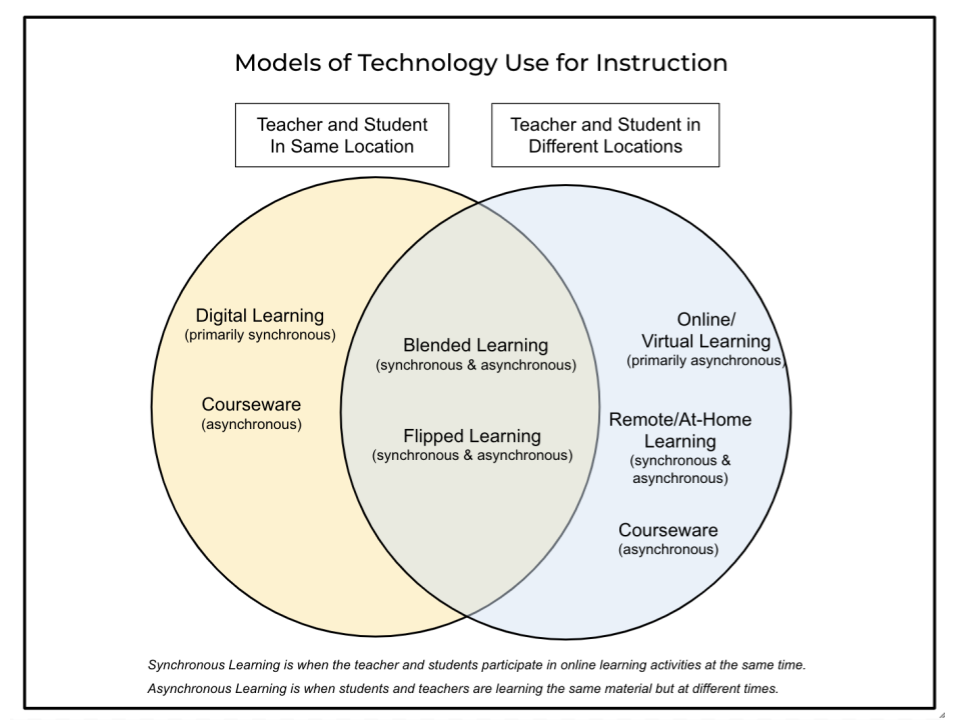
 There are several opportunities in the bills mentioned above that will provide professional development in digital learning. The Blended Learning Grants are largely designed to provide professional development for educators in blended learning, not to mention the funding provided to UTeach to continue to provide this type of training to Texas teachers. Also, this is a good chance to remind districts that the TIMA may be used to provide professional development on the use of technology. In addition to these bills, the legislature passed HB 2424 that requires the SBEC to establish rules to create microcredentials in fields of study related to an educator certification class. This was one of TCEA’s legislative priorities, so we are excited to see this bill pass.
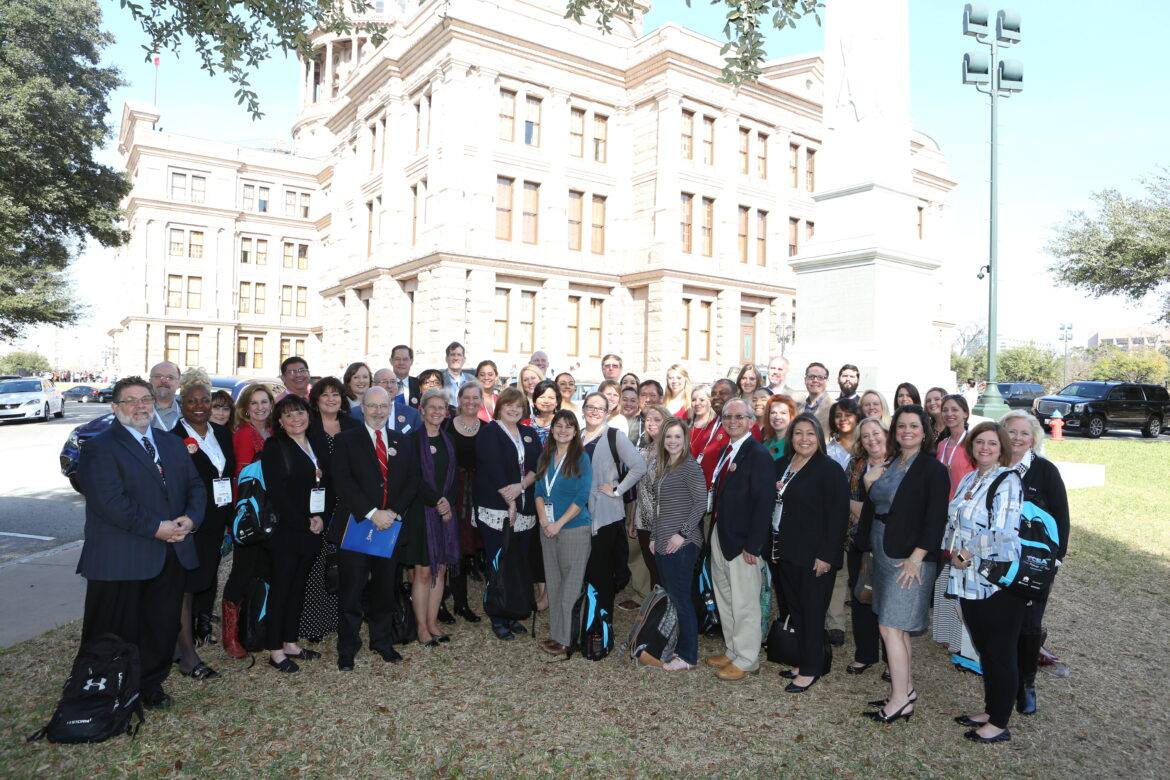
 For many, this is t
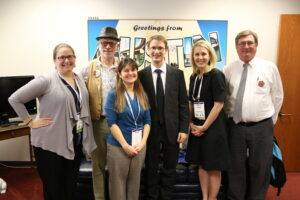 having a group of staff members from legislator’s offices discuss what to expect and how to navigate this type of meeting. I promise that, by the end of the two-hour training, everyone will be prepared to advocate for the things they are passionate about! Most people who attend the Ed Tech Day at the Capitol have so mu


 In order to accomplish the goals established in our priorities, it is imperative that teachers have a supportive environment in which to adapt their teaching strategies to take advantage of empowering technologies. Teachers recognize the benefits of the use of technology, but don’t always know how and when to use the different technologies that are available. This is why TCEA believes strongly that teachers need ongoing, job-embedded professional learning opportunities that empower them to use appropriate
 Every student has distinct learning needs, interests, and aspirations. Up until recently, it was extremely difficult to tailor the instructional strategies to meet each student’s needs. Technology can be an enabler of this type of educational model. It allows students to guide their inquiry as they decide how they will interact with the content, including the time and location. This type of learning requires a major shift in the delivery of instruction and involves teacher professional learning, a robust technical infrastructure, the selection of appropriate content, and strong leaders who know how to manage this type of change. Many of the strategies listed above support the goal of personalized learning; however, there are a few that have not yet been addressed.

 These changes will give more options to districts as they decide which courses they can staff. Many districts offer Computer Science I, Computer Science II, and AP Computer Science A. However, because many districts
  In addition, the SBOE is requiring publishers who submit digital instructional materials for Proclamation 2019 to complete