For principals, the beginning of the school year is a chance to set the tone for the year ahead. What you prioritize during those first 10 days can shape your school culture, build trust, and help teachers and students feel supported from the start.
Here are a few things principals may want to keep front and center.
Be Present Where It Matters Most
During the first days of school, visibility matters. Teachers, students, and families are looking for reassurance that things are under control, even if they are not completely under control.
Spend time in the hallways, cafeteria, car line, classrooms, and front office. Greet students by their names. Check in with teachers between transitions. Walk the building with a calm presence. This is not about catching mistakes. It is about sending the message, “I’m here. We’ve got this.”
Small moments matter. A quick “How’s your morning going?” to a teacher or a high five to a nervous student can go a long way.
Support Teachers Before You Evaluate Them

The first 10 days are not the time to focus heavily on formal feedback or instructional walkthroughs. Teachers are learning names, building routines, and helping students adjust.
Instead, look for ways to support your teachers. Ask them what they need. Cover a class for five minutes so someone can breathe. Help solve a hallway traffic issue. Notice what is going well and say it out loud. A small compliment can be powerful.
Teachers do not need perfection during the first two weeks. They need encouragement, clarity, and support.
Watch What Students Are Experiencing
Principals should also pay close attention to what students are experiencing. Are students greeted warmly when they enter the building? Do they know where to go? Are transitions clear? Do younger students know lunch procedures? Are older students finding connections?
The first 10 days are a great time to identify students who may need an extra check-in. This includes new students, students who seem anxious, students who are frequently alone, or students who are already having repeated behavior concerns.

Reinforce Routines Without Overloading Everyone
Strong routines help a campus run smoothly. However, during the first days of school, too many reminders can feel daunting.
Focus on the essentials first. Arrival. Dismissal. Lunch. Hallway movement. Classroom entry. Communication expectations. Emergency procedures.
Keep messages simple and repeat them often. If something is not working, adjust quickly and communicate clearly. Staff members appreciate knowing that a system can be improved without blame.
Build Trust with Families

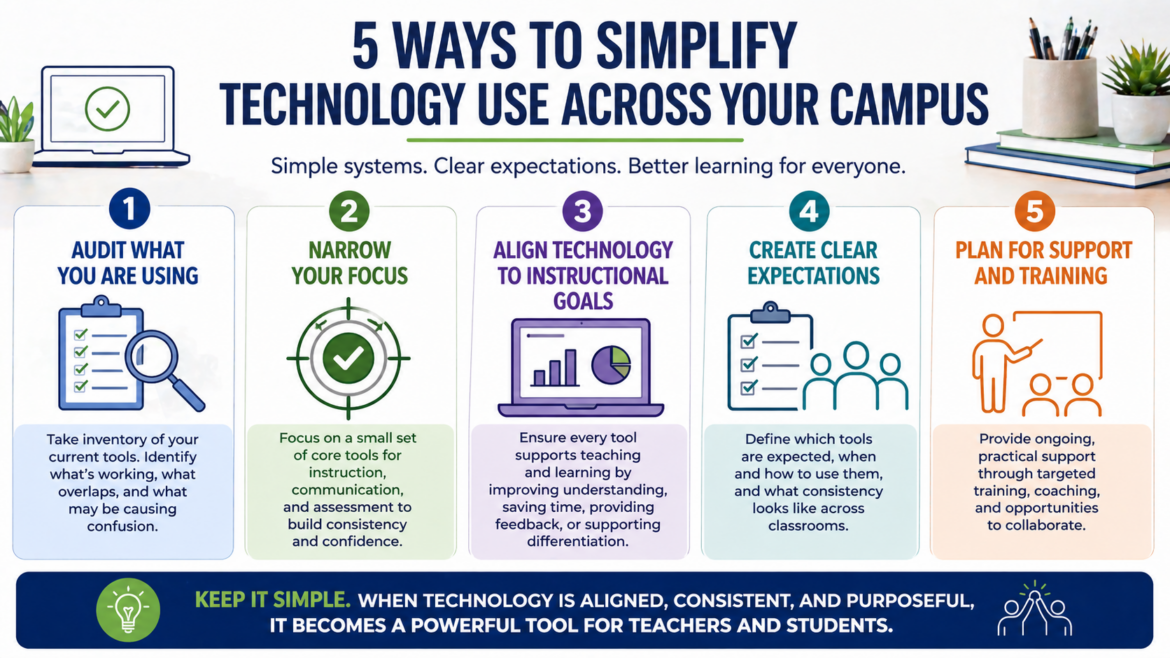
Families are also learning the rhythm of a new school year. They may have questions about transportation, schedules, devices, communication tools, or classroom expectations.
Clear, timely communication makes a difference. Consider sending a short message at the end of the first week that includes helpful parent reminders and where families can go for support.
This is also a great time to be visible during arrival and dismissal. A smile, wave, or quick introduction can help build connection before a concern ever comes up.
Listen for Patterns
The first 10 days can give principals valuable information. Not everything needs an immediate solution, but patterns are worth noticing.
Do several teachers seem confused about the same procedure? Are students struggling during one specific transition? Are families asking the same question repeatedly? Is one grade level feeling overwhelmed?
These patterns can guide your next staff meeting or newsletter. Listening early helps you respond with purpose instead of reacting later when frustration has built up.
Protect the Culture You Want
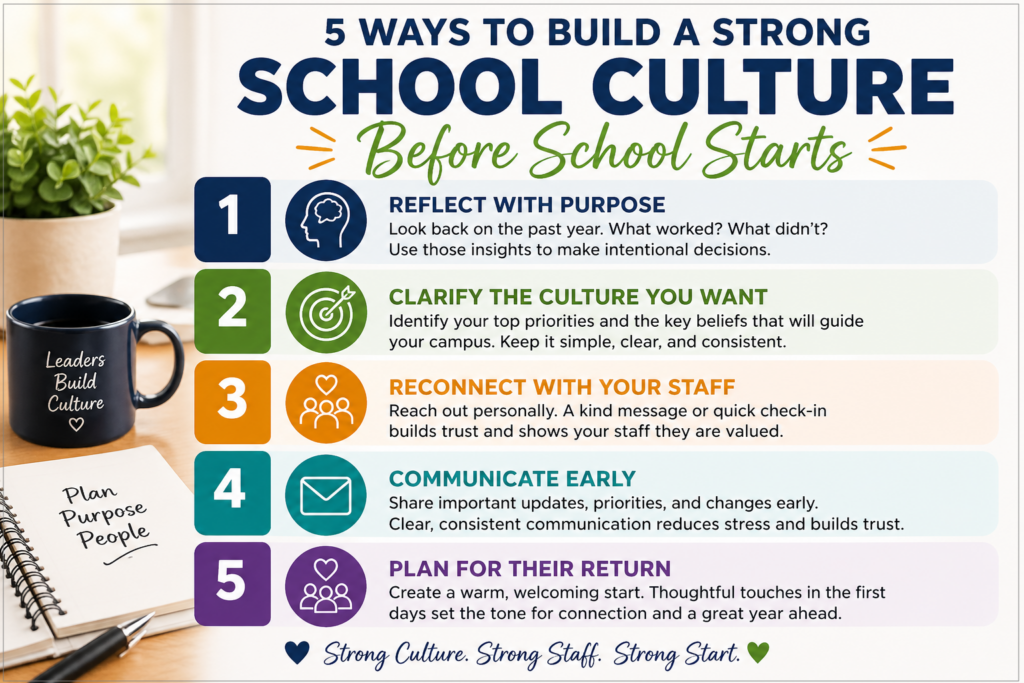
The beginning of the year is when school culture starts to take shape. Principals help protect that culture through what they notice, celebrate, correct, and model.
Celebrate kindness. Highlight teamwork. Thank staff publicly and specifically. Address confusion calmly. Follow through on what you say. And when things don’t go perfectly, model the response you hope to see from others.
The first 10 days do not have to be perfect to be successful, but they need to be intentional. When principals prioritize presence, support, communication, and connection, they help create a school year that starts with trust.