Explore insights and strategies for CTOs and CIOs in education. Discover tools and resources to support technology leadership and innovation.
Today, more than ever, it’s clear that system administrators and other IT professionals who make our networks hum are vital to education.
To help build their capacity and broaden those critical skill sets, TCEA hosts the annual System Administrator and Technical Support Conference. Here are some reasons to consider registering for this year’s all-virtual event, October 20–21.
Education Is Changing
Schools, districts, and teachers need effective ways to deliver high-quality education, whether in person or online. IT professionals work to make that learning possible. We know that this year, there’s even more on your plate: more 1:1 initiatives, more hot spots, more online learning resources being used, more bandwidth needs.
The 2020 System Administrator and Technical Support Conference is specifically designed for you: the professionals who provide hardware, software, network, and infrastructure support for PreK-16 educators — and who are seeking timely solutions to keep up with the changes in learning.
A Flexible Event for an Ever-Changing Field
Of course, when it comes to technology, things are always changing.
That’s why we’ve adapted to an all-online conference meant to keep you connected, even when you’re busy. Our powerful, easy-to-use online platform will deliver sessions in real time, allowing you to interact with your peers. You can also watch sessions for up to 30 days after the event, helping you take advantage of the latest trends and ideas in network support, remote learning, and more at your own pace and on demand.
With this year’s virtual conference, you can:
- Connect synchronously or asynchronously
- Get to know industry leaders
- Engage in live sessions with chat, discussion boards, downloadable resources, and more
- Spend time with your peers in virtual coffee breaks, social events, and competitive virtual games
Sessions Packed with Solutions
Beyond updates, tips, and tricks, some of the sharpest minds in the field will be sharing crucial ways to help educators create learning in even the toughest and most unprecedented of times. We’re sharing thoughtful ideas to amp up your work. Check out sessions like:
- The Future of Modern Physical Security for Schools
- Remote Learning: Is Your Admin Console Secure?
- Cybersecurity, Safety, and Compliance in G Suite and Microsoft 365
- WIFI Beyond the Parking Lot
Explore all our topics here, and the full listing of live and on-demand sessions here.
Ready to be a part of this cutting edge conference? Register today. We’re looking forward to seeing you online!

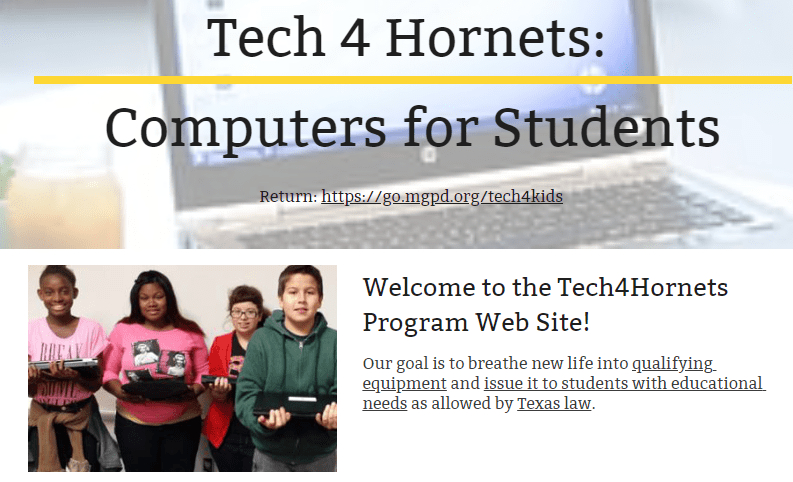
 “We get to keep the computer?” asked the grandmother. Her granddaughter had not said a word as she stared in rapt attention at the laptop. I could see her trembling with excitement, silent. When I responded in the affirmative, a smile broke out on the young woman’s face. Her grandmother gave me a mute look of appreciation that said so much. It is a memory I treasure from my time as a technology director.
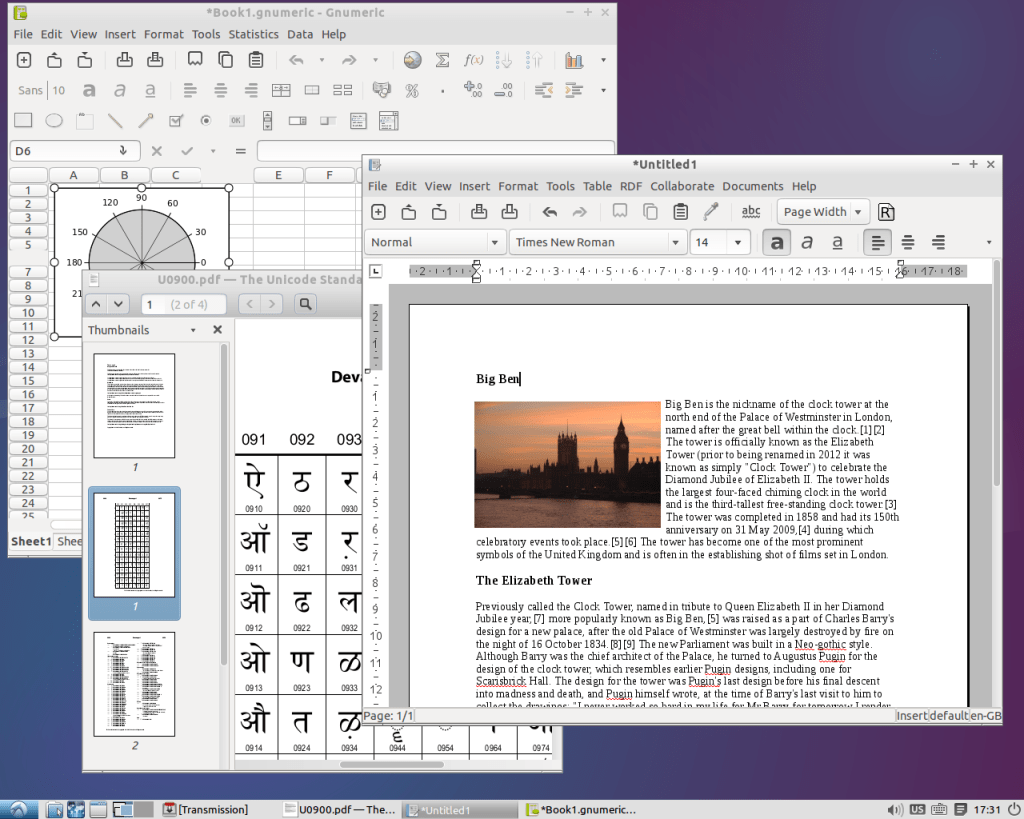 Some of the software that comes free on GNU/Linux includes:
 As I look back on my career as a technology director, one of the initiatives I am most proud of is the Tech4Hornets program. Providing under-privileged children with technology that could expand their opportunities touched my heart. In time, I hoped that the district would provide ongoing learning opportunities for Tech4Hornets students.