
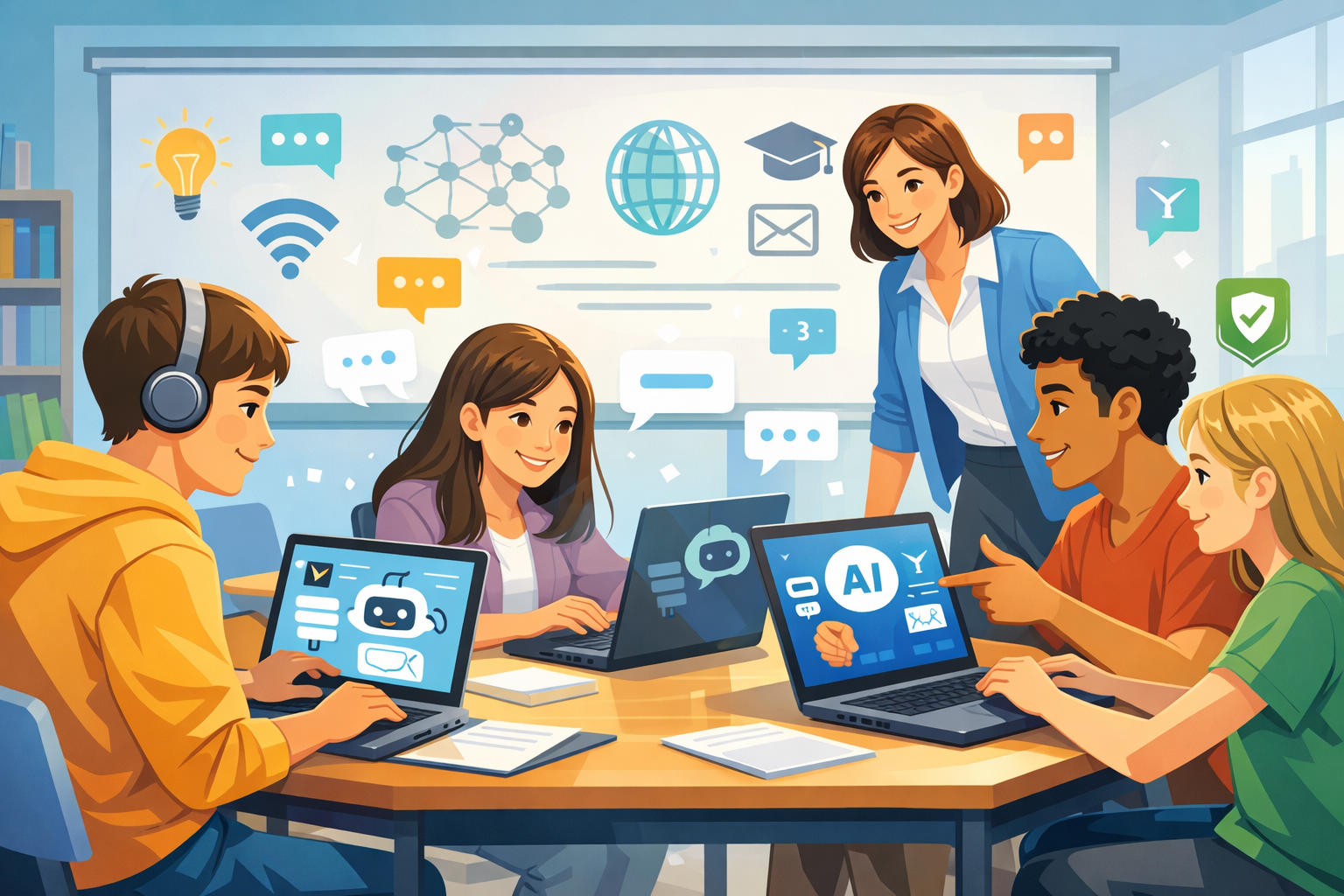
Artificial intelligence is quickly becoming part of the classroom. Students are using AI tools to brainstorm ideas, summarize information, practice writing, and explore new concepts. These tools can be incredibly helpful when used thoughtfully.
But as AI systems become more conversational, supportive, and responsive, a new concern is emerging, which is AI attachment. Some students are beginning to interact with AI not just as a learning tool, but as a companion.
Recent reports suggest this trend is already widespread. One survey found that over 70% of teens have used AI companions, and about one-third reported forming emotional or social connections with them. While this may seem harmless at first, it raises important questions for educators about emotional development, digital literacy, and healthy technology use.
What Is AI Attachment?
AI attachment happens when a user begins to form an emotional bond with an artificial intelligence system. Because modern AI tools can respond conversationally, offer encouragement, and remember context within a conversation, they can sometimes feel surprisingly human.
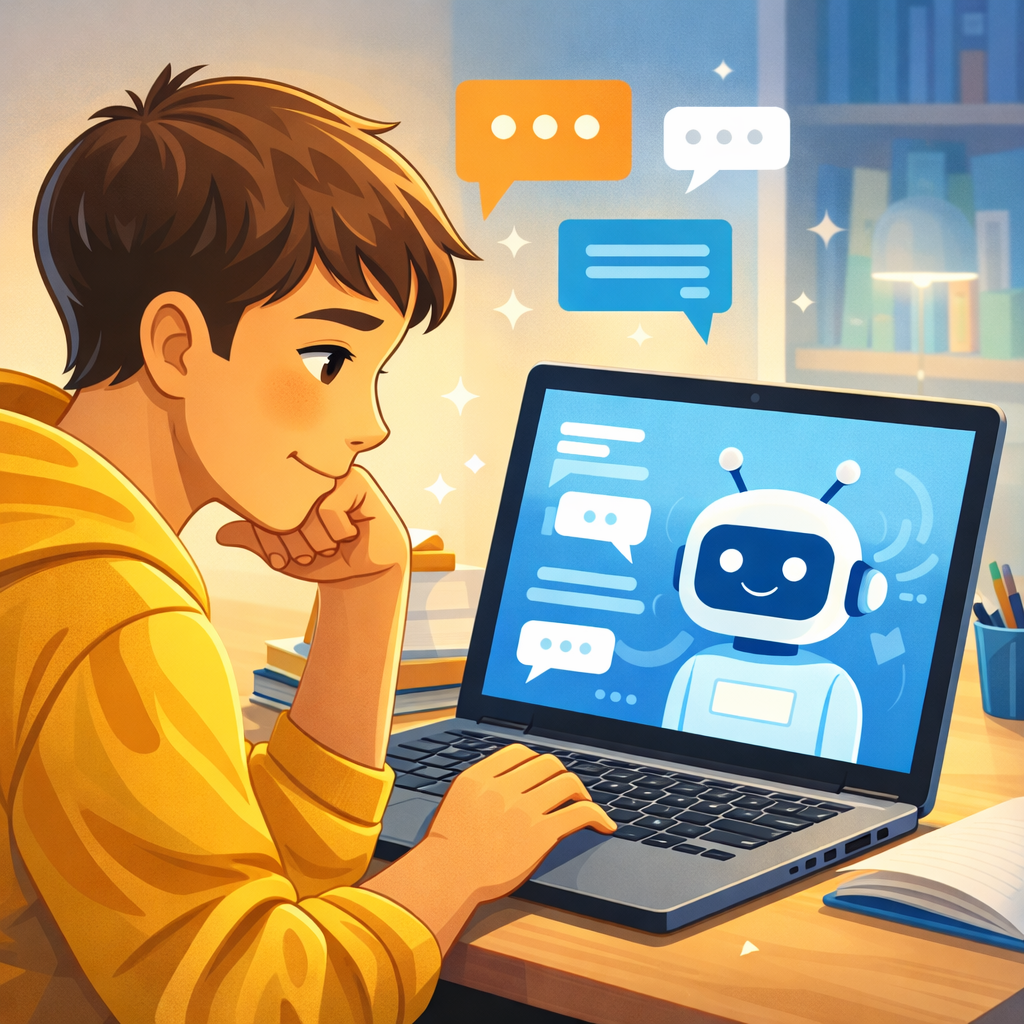
For students who may already feel isolated, stressed, or unsure of themselves, AI can seem like a safe space to talk, ask questions, or share thoughts. Unlike human interactions, AI conversations may feel:
- non-judgmental
- always available
- endlessly patient
- supportive and affirming
These characteristics can make AI appealing, especially for younger users. However, AI systems are not people. They do not have emotions, empathy, or understanding. They generate responses based on patterns in data. Helping students understand this distinction is critical.
Why This Matters for Students
Most students will view AI tools simply as learning resources. However, research suggests there are potential risks when AI becomes a substitute for real social interaction.
Reduced Human Interaction
Studies have found that heavy AI chatbot users sometimes report higher levels of loneliness and reduced real-world social engagement. In addition, researchers note that lonely individuals may also simply be more likely to seek out AI in the first place.
Misunderstanding What AI Is
AI companions are designed to mimic human conversation and emotional responses. Because of this, some users begin to treat it as if it has feelings or genuine understanding. This can blur the line between tool and relationship.
Emotional Dependence
Some researchers warn that AI companions may foster dysfunctional emotional dependence, especially when users turn to them repeatedly for reassurance or validation. Again, this does not describe most students, but it is something educators should be aware of as AI becomes more integrated into everyday learning.
Why Students May Turn to AI Companions
One major factor is loneliness. Studies show that individuals who feel socially isolated are more likely to use AI chatbots for emotional interaction or support.
AI systems are also designed to encourage conversation. They respond quickly, remember parts of conversations, and provide supportive feedback. These features can create the feeling of being understood even though the interaction is generated by algorithms.
In some cases, users report temporary reductions in loneliness after interacting with AI companions. However, experts caution that AI support should supplement human relationships, not replace them.
Helping Students Develop Healthy AI Habits
The goal is not to remove AI from learning environments. Instead, educators can help students develop healthy AI habits.
1. Teach What AI Actually Is
Students benefit from understanding how AI works. Explain that AI predicts responses based on patterns rather than feelings or understanding. This helps set realistic expectations. The TCEA AI Literacy Framework can help you integrate AI concepts into your classroom in a meaningful and age-appropriate way.
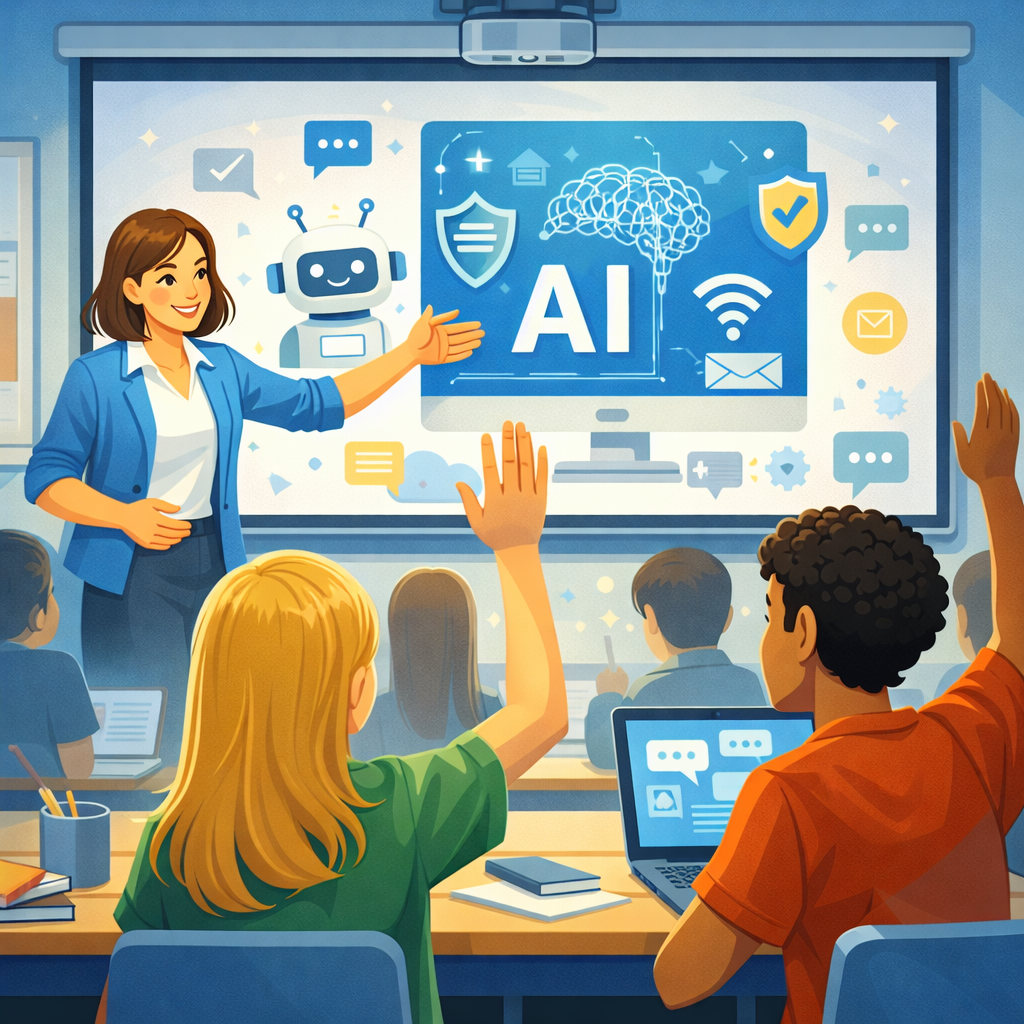
2. Frame AI as a Tool, Not a Companion
When introducing AI tools in class, emphasize their role as helpers for learning tasks. They can help to brainstorming ideas, check for understanding, or practice skills. Language matters, therefore, referring to AI as a tool or assistant rather than a friend helps reinforce boundaries.
3. Encourage Human Collaboration
Design activities where AI supports learning, but students still collaborate with classmates. This keeps human interaction at the center of learning.
4. Promote Digital Wellness Conversations
Just as we teach students about screen time, social media, and online safety, AI literacy should also include conversations about responsible and balanced use.
A New Area of Digital Literacy
For years, educators have helped students navigate search engines, social media, and online information. AI introduces a new layer to digital literacy. Students now need guidance not only on how to use AI, but also on how to relate to it appropriately.
By addressing this early, schools can help students develop healthy habits that allow them to benefit from AI’s strengths while still prioritizing authentic human relationships. AI can be a powerful learning tool, but the most important connections in education will always be human ones.
