
Romantasy and cross-genre romance is all the literary rage right now. So what better time to talk about how you can add some STEAM (Science, Technology, Engineering, Art, and Math) into the classics? Here are a few ideas to increase engagement by adding a little STEAM to a “dusty old volume.” Click here to access the resource page for help documents and lesson plans.
Wuthering Heights: Ghostly Messages from the Great Beyond
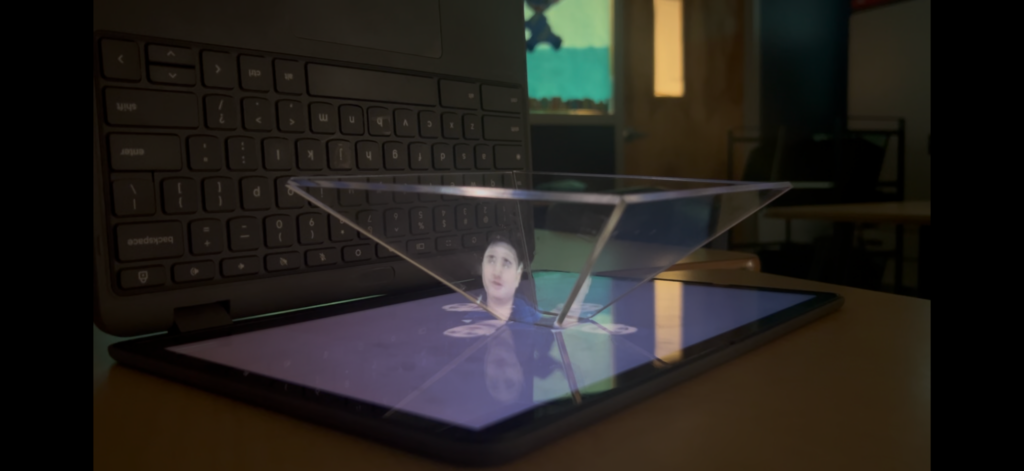
Is Wuthering Heights a ghost story? Enemies to lovers? Missed connection? Whatever you might think, it’s the perfect novel for some ghostly messages from beyond the grave. In this experience, students will answer the question, “If Heathcliff (or Katherine, or another character) could send a message from beyond the grave, what information would they convey?” Characters can address each other, offer a solo lament, or appeal straight to the narrator, Mr. Lockwood.
After students have written their messages, they will use recording and editing features to create ephemeral effects in Canva or Adobe Express that will certainly give you goosebumps. If you’re interested in going the extra mile, check out the resources on how to create a true holographic effect. Don’t read Wuthering Heights? No worries, this lesson works perfectly with Romeo and Juliet, King Lear, and more.
Time: 2–3 hours, most of which is spent on writing
Teacher Prep: Put together hologram trapezoids
ELA elements: POV, understanding character, analysis
Budget: Free to $20
Engineering Your Fate: The Odyssey
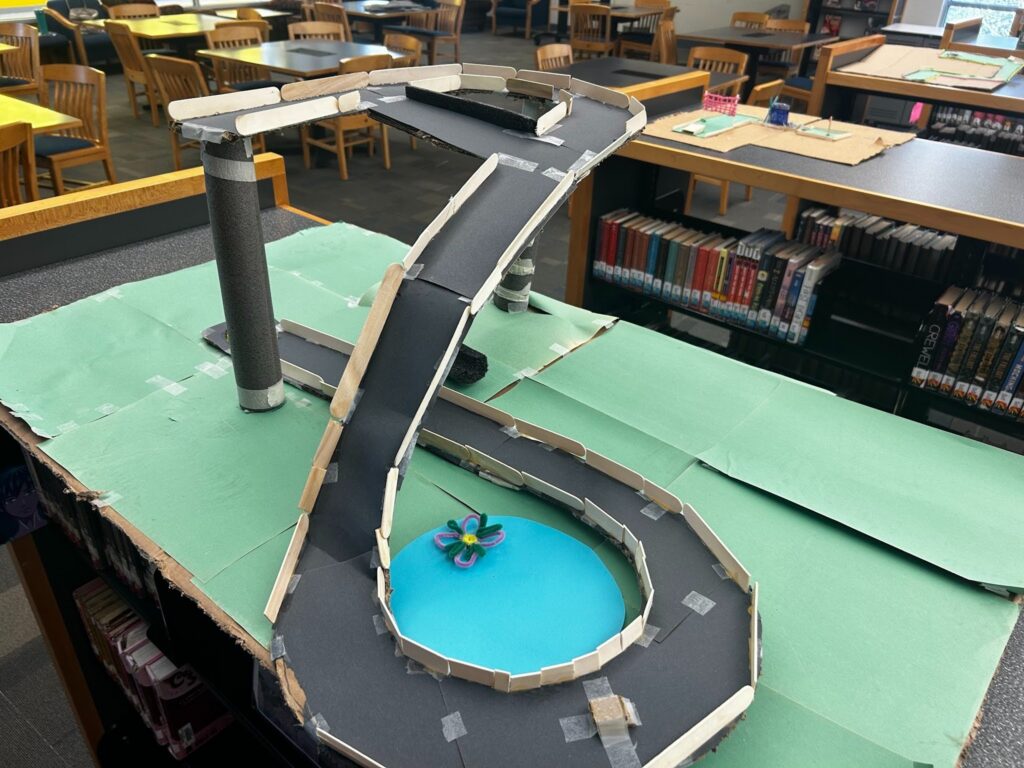
Clever Odysseus and circumspect Penelope, two perfect epithets for a STEAM activity experience. In Homer’s epic poem, Odysseus’s cleverness helps him escape dire situations but also lands him in a bit of trouble along the way. He is the ideal fictional character for the engineering design process (EDP).
After reviewing the EDP, students will pick one of Odysseus’s or Penelope’s adventures where either character could use a little help from engineering. What if there had been no sheep in Polyphemus’s cave? Engineer a rope and pulley system. Sailing by the sirens? Create some noise-canceling headphones that keep you safe and make you look cool. Penelope is losing sleep because she has to untangle all of the work on her loom each night? Design a machine that works as fast backward as it does forward.
Students will use the engineering design process to construct a solution that solves a problem any of the characters in The Odyssey encounter.
Time: 4+ hours, much spent designing and building
Teacher Prep: Little to none
Budget: Potentially free
Materials: Upcycled materials
It’s a Map!
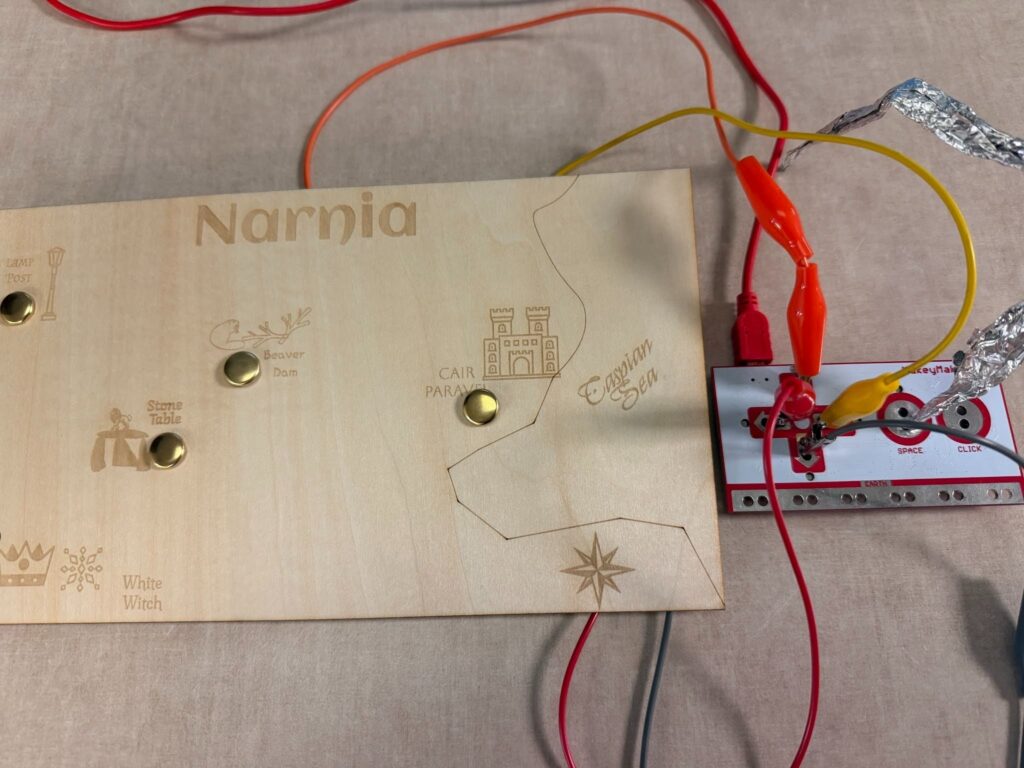
If you’re anything like me, you love to see a map at the beginning of a novel. Readers of all ages are immersed in the world an author creates simply by looking at the first two pages. The mountain ranges, the witch’s cabin, the castle. Use that natural engagement to your advantage by having students create interactive maps.
This is perfect for fantasy novels such as The Lion, the Witch, and the Wardrobe or The Hobbit, but it can work with any novel where setting plays an important role in plot development. Students will create a map of their novel, either digitally in Canva, Adobe Express, or another creative resource, or by hand. They can then use Genially or ThingLink to make the map interactive.
Alternatively, if you would like to enhance a traditional poster, students can use a Makey Makey to add museum kiosk-like buttons to their display. Either way, students will reflect on the importance of setting and analyze events that take place in multiple locations.
Time: 2–4 hours
Teacher Prep: Little to none
Budget: Free, if your campus or district has a Makey Makey
Materials: Poster paper, markers, Chromebook
Gossip and The Great Gatsby
Novels like The Great Gatsby are full of intrigue and perfect for a good old gossip session. Were Daisy and Jordan an item? Who is really driving the car that killed Myrtle? How did Gatsby make all that money? What are Tom and Daisy going to do now?
Use the naturally occurring “hot tea” in this classic novel to have students create their own podcast about unresolved plot points that are left up to the reader. Students will use their RLA skills to write podcast dialogue in which they dive deep into one of these topics or engage in a structured debate on who is at fault for various events in East Egg.
Student podcasters will need to incorporate text evidence into their conversation to build the most convincing argument. Bring the scandals of the 1920s into a modern format with a tell-all podcast.
Time: 2 hours
Teacher Prep: Little to none
Budget: Free
Materials: Chromebook
Shakespearean Apples to Apples
Characters, characters, characters. Shakespeare has them. Using a generative AI tool, have students create Shakespearean character cards. Each card can demonstrate students’ understanding of the character through included details like background, clothing, important objects, physical features, and character traits.
Print the character cards along with adjective cards to create a game of Shakespearean Apples to Apples. In small groups, a rotating student judge plays an adjective card, and the remaining students choose which of their character cards best matches that adjective.
Students then defend their choices, explaining why their character best fits the adjective. Finally, the judge makes the decision. For example, if the adjective is “foolish” and both Falstaff and Bottom are played, the winner will depend on the strength of the explanation and the judge’s interpretation.
Time: 2 hours
Teacher Prep: Little to none
Budget: Free
Materials: Chromebook
I am neither a classicist nor a scientist, but I love teaching, reading, and assigning engaging student work. I also know how to anchor learning in an experience so students do not forget it. Classic novels, plays, and epic poems can become more difficult to understand with each passing generation, so do not be afraid to bring the archaic language of a classic into modern times by adding just a little STEAM.
Looking for grade-level ideas? These related posts include activities for elementary students and middle school learners.