Discover tips and resources to secure funding for education. Explore grants, strategies, and tools to support schools and classroom initiatives.
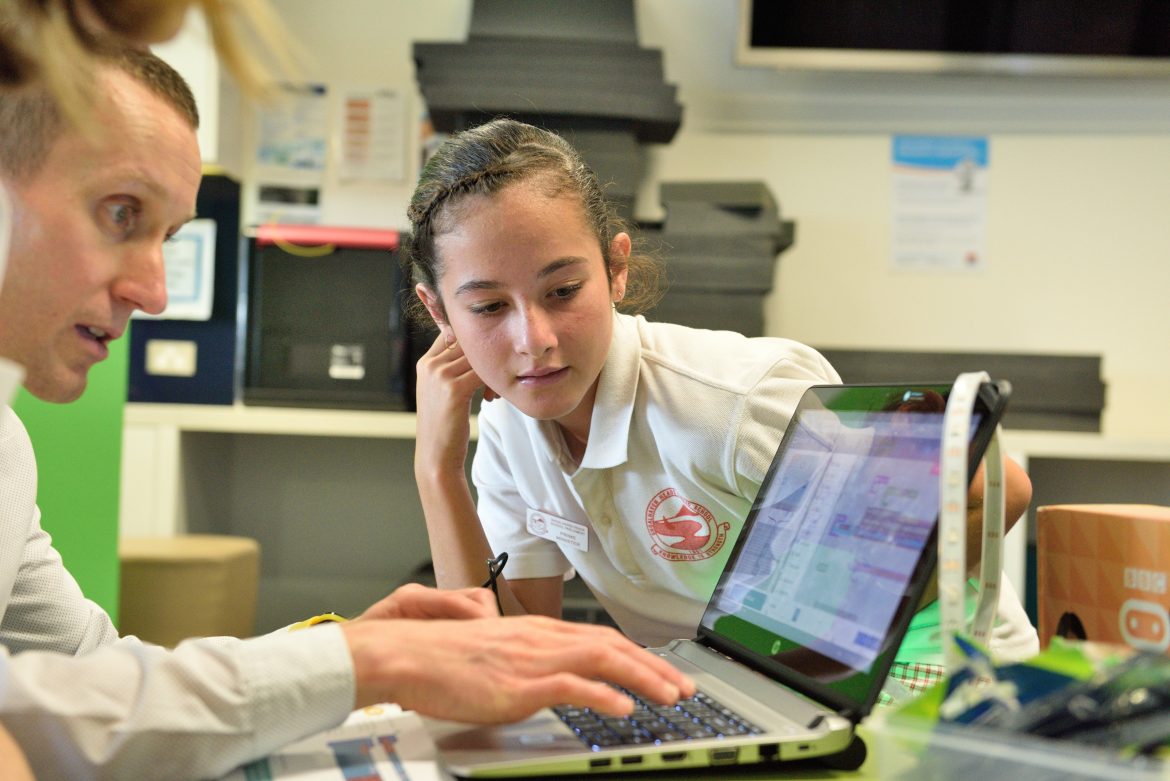
Career and Technical Education (CTE) programs are growing nationwide, and in Texas, the rules regarding CTE are changing, too. CTE educators require specialized resources, training, and the benefits of the latest research and technology.
TCEA is here to help provide all of that. Here’s what you need to know about CTE credits and funding — and how being a part of the 2020 TCEA Convention & Exhibition can innovate your classroom.
How TCEA Helps CTE Educators
With the passage of Texas House Bill 3, this is the first year that teachers who are teaching Technology Applications courses, both at the high school and middle school level, can use CTE-weighted funding to help pay for their professional development, including attendance at conferences like ours. TCEA has long been a place where Technology Applications and CTE teachers can brush up on their skills and learn what new technologies are available for use in their classrooms. Our professional development sessions offer hands-on, real-world activities that empower and engage your students in deep and transformative learning. In addition, they are tied to best practices and the latest brain research to ensure that the achievement can be maximized.
Below is a small sample of the sessions that have been identified for Technology Application and CTE teachers. You can view the full session list, and search by topic and audience, here. When you’re ready, don’t forget to register! And remember that prices increase on January 10.
- Growing the Workforce of Tomorrow: Business Plans, Shark Tank Survival, and Entrepreneurial Thinking
- Enhancing STEM and CTE Programs: A District Perspective on Using Augmented and Virtual Reality
- Appathons: Student-Created Web Apps Solving Real-World Problems
- Video Game Design with Bloxels
- Cybersecurity Threats
- Drone School
- Working with 3D in Photoshop
- What Does a New Innovative Business in 2026 Look Like?
- Future Innovations Immersive Experiences
- Hands-On, Minds-On: CS in an Engineering Context
- Solution Circle: Technology Applications in Action
- Igniting the Spark: Empowering Students Through Media Creation with Adobe Spark
- Get Your Students Going on Graphic Design with Autodesk Sketchbook
- Tips and Tricks to Teach High School Computer Science
Join us at TCEA 2020 and learn how to fully prepare your students for the rest of their lives!
Photo: stem.T4L
 As you might imagine, navigating the guideposts may be difficult. But it can be easier if you remember what your role in shaping an ed tech vision and plan can be. Rather than advocating for unproven innovations, empower people to see a way ahead that research supports. In that way, you make possible a learning journey for all stakeholders.




 The first thing you must do is make sure that you know how OER will be used within your school or district. You must be able to envision what the ideal OER system would look like, including the expected impact it will have on your teachers and students. Below are some of the questions you should be able to answer: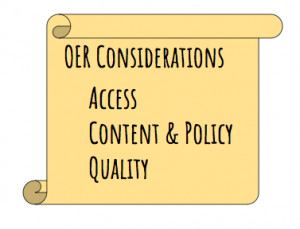


 How will you measure success?
 OpenStax began creating textbooks with college students in mind. But along the way, we saw that high schools were adopting the textbooks for use in Advanced Placement classes. Taking our cues from the needs of these teachers, we created a line of books for AP
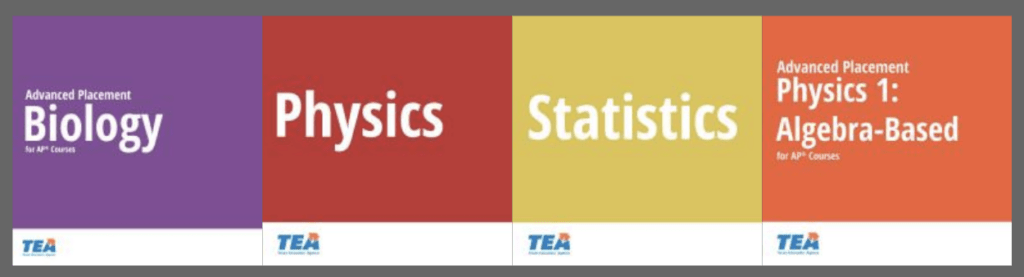 Our
Our  Rather than being held hostage to an individual provider’s resource, educators have the opportunity to adapt our content or pull it into different digital platforms and tools to make it perfect for their particular class or school. And now, districts have the opportunity to reallocate funds they had for textbooks and use them on other essential educational tools like lab equipment and professional development.
  As managing director of