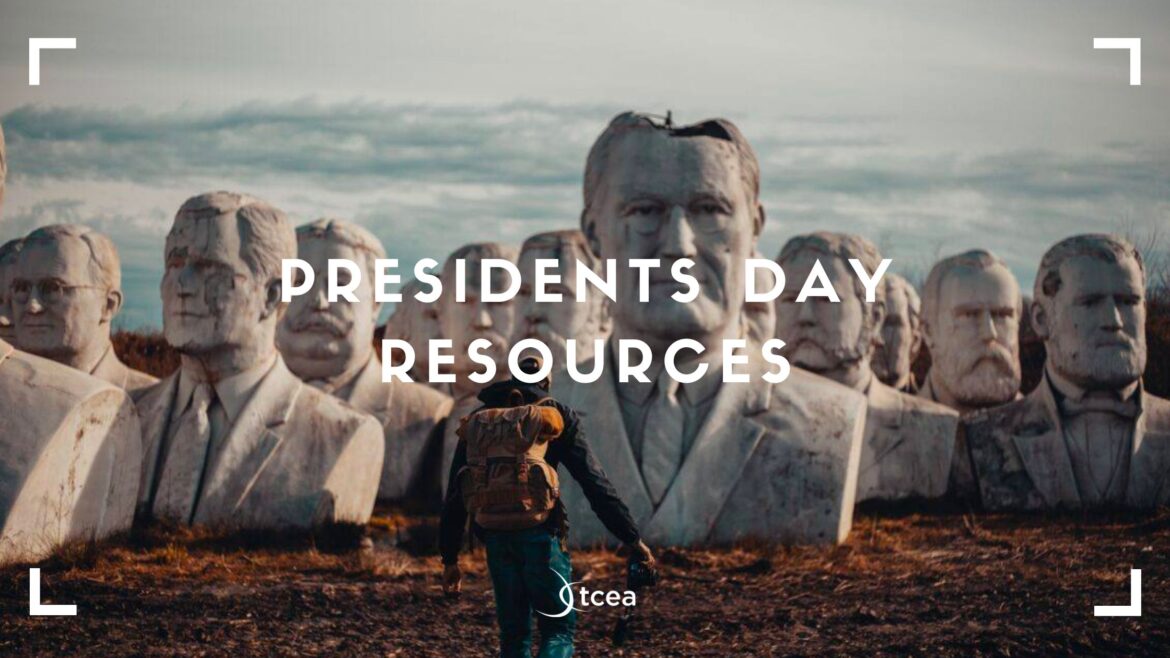
The third Monday in February is celebrated each year across the U.S. in commemoration of the birth of George Washington. Sometimes called Washington’s Birthday, the holiday often memorializes Abraham Lincoln as well who was also born in February. Whether you call it Presidents’ Day, Washington’s Birthday, or Washington and Lincoln Day, the third week of February gives us the opportunity to examine the lives, times, and works of the men who have occupied the nation’s top executive role.
Educators across the PreK–16 spectrum can use the presidency as a catalyst for learning, whether about history and civics or other subjects. Below, we’ve collected some useful resources for teachers hoping to include Presidents’ Day in their lessons.
Starting with Goodbye
Besides being the first commander-in-chief, first president, and an alleged cherry-tree-chopper, Washington has long been remembered for leaving the country’s top post after two terms, resulting in a peaceful transition of power to his successor, John Adams. His so-called farewell address, in which he announced his intention to not stand for re-election and in which he cautioned against foreign entanglements and partisan politics, has justifiably become one of the most-read primary sources of Washington’s life.
In his book, Washington’s Farewell: The Founding Father’s Warning to Future Generations, author John Avlon describes the farewell address as an act of trust between the president and the nation:
This was Washington’s final revolutionary act: an open letter to the American people, not formally delivered in front of legislators, but published in a newspaper on September 19, 1796.
From Washington’s Farewell: The Founding Father’s Warning to Future Generations
You can use the end of Washington’s career as a starting point to understand not only his impact, but the world in which he lived, which he shaped, and which shapes us (students included) today.
Mount Vernon, Washington’s Virginia home, is now a historic site and museum, and has produced a variety of resources for students and educators.
Resources
For elementary-grade and middle school teachers: Explore “A Birthday Celebration for George Washington,” a lesson plan all about the first president centered on his birthday. Students can choose the Party Planning Committee or Parade Committee to help organize a celebration.
For high school teachers: Check out “Breaking and Mending the Two-Term Precedent,” a complete lesson plan on Washington’s decision to step down after two terms, and eventually, Franklin Delano Roosevelt’s decision to break with precedent and run for a now-unconstitutional third term.
Washington and Lincoln
While the holiday gives us an occasion to study any and all of the presidents, special consideration is often given to Washington, who served at the outset of the nation, and Lincoln, who saw it through the Civil War, since both men were born this month.
Indeed, both are often considered for the top two spots as “greatest president,” although, of course, others, especially formative presidents like Thomas Jefferson, take center stage on Presidents’ Day. Historians polled by the Siena College Research Institute’s Presidential Ranking Survey often keep Washington and Lincoln in the top spots among a few others.
The top five – George Washington, Franklin Delano Roosevelt, Lincoln, Teddy Roosevelt and Thomas Jefferson – have been the top five, jockeying for position, over all 37 years (of the survey). There is certainly collective agreement on that.
Don Levy, director of the Siena College Research Institute, to Reuters
Resources
These pages include lesson plans, background resources, activities, games, quizzes, video, and audio. The National Education Association has compiled and created lessons on these landmark leaders, organized by grade level, which include resources on Washington and Lincoln.
Even More Resources
Check out the links below to find even more tools to honor Presidents’ Day in your classroom, school, or district.
- 15 Presidents’ Day Classroom Activities from TeachHub
- Washington, Jefferson, and Lincoln primary source sets from the Library of Congress
- Presidents Day Science with Pennies from explorit
- Presidents Day Science: A Look At Some Of The Inventions Hatched By White House Tinkerers from the International Business Times
- Presidents’ Day Books: Ages 3-7 from Scholastic
- Presidents Day Activities from Education World
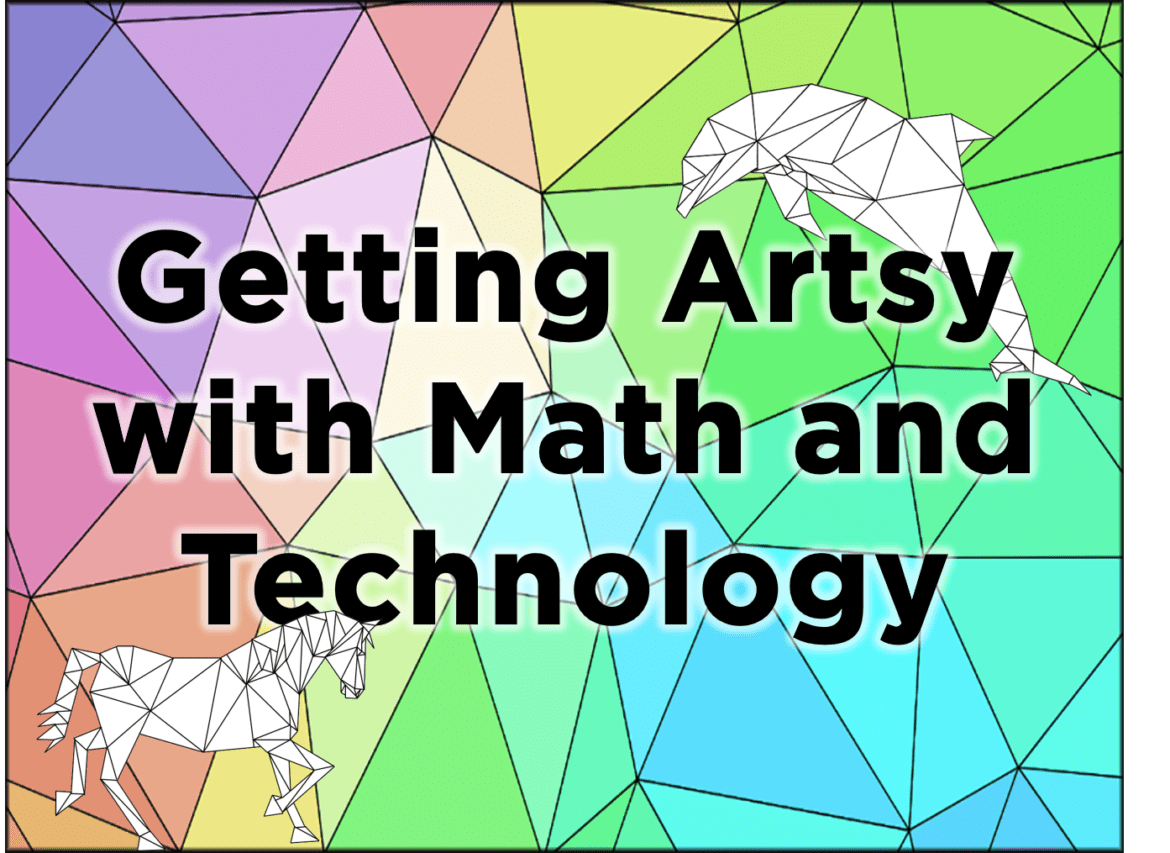
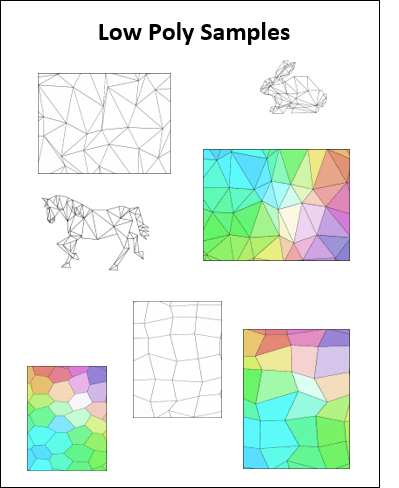
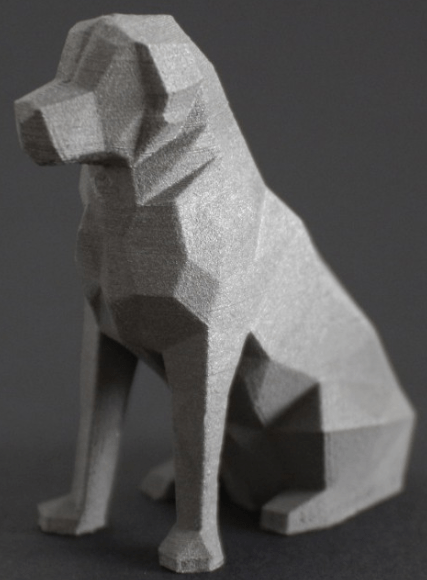
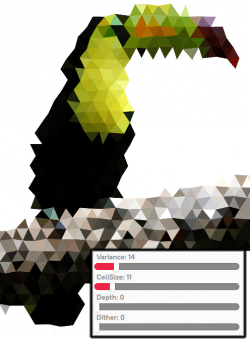
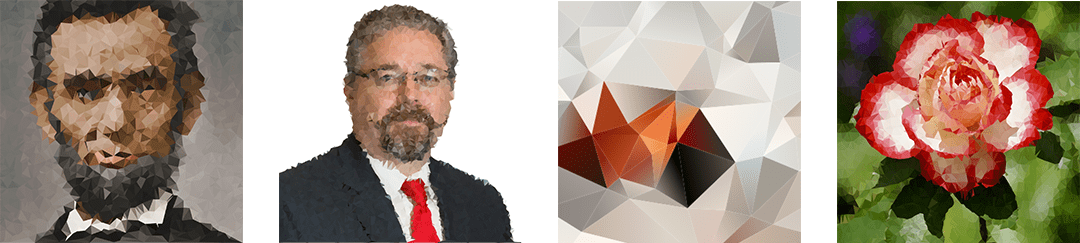
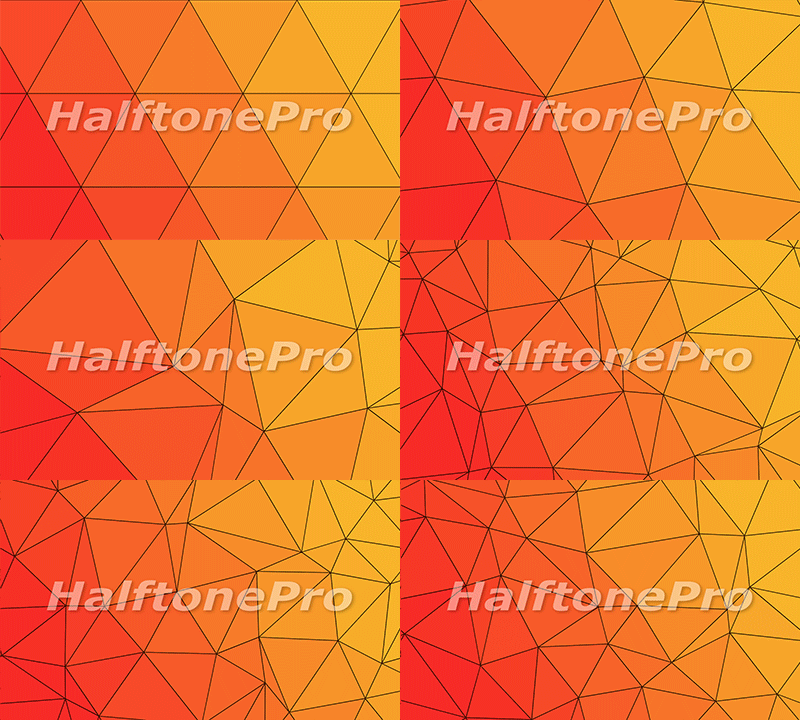 Low poly has been around for decades in the computer industry. As early game designers needed a way to generate images (and later animation) that did not exceed the available memory, they found they could reduce the file size by reducing the amount of information contained in the picture itself. This was achieved by connecting a mesh of dots to form polygons that are filled with a single color. The most popular shape to use is a triangle. This method allowed designers to easily reduce an image to mathematical terms instead of every pixel having its own color. You may have noticed that even current gaming systems are making use of the retro look of low poly. News sites may apply a low poly filter when interviewing a witness that wants to remain anonymous so that their physical features are less likely to be identified.






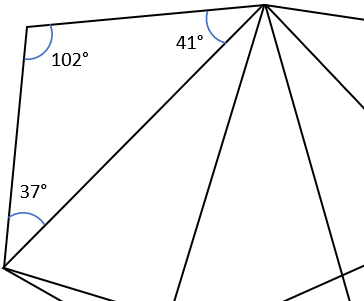 Identifying Angles – Because low poly can be made using only triangles, give students a page from the Low Poly Samples pdf file (link below) and have them identify whether each angle is a right, acute, or obtuse angle by writing r, a, or o in the angle respectively. For older students, have them use a protractor to identify the exact angle and have them write the measurement in each angle. Students can easily check their work by calculating the sum of the angles in the shape. The sum of the angles in a triangle will equal 180°, while the sum of the angles in a polygon with four or more sides is equal to 360°.
 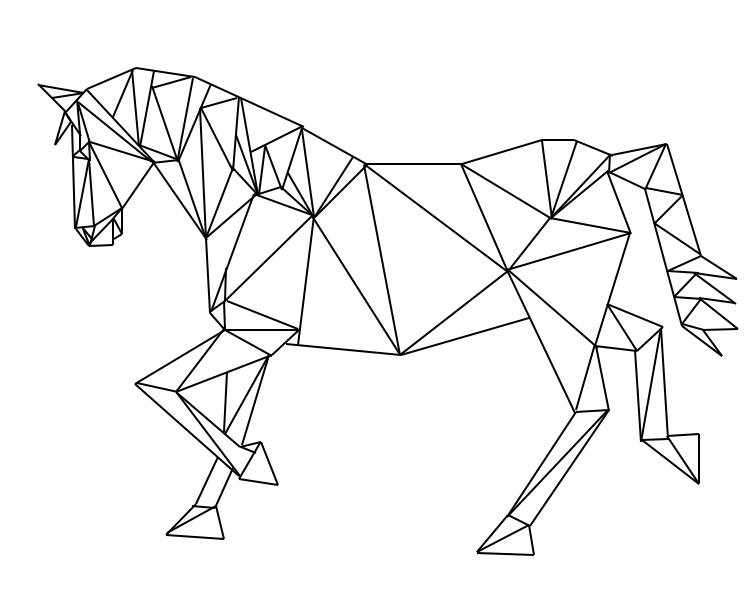 Low Poly Animals – Provide animal shapes for students to use as patterns. Laying a sheet of blank paper over the pattern, students trace the image using only straight lines and fill the image in with line segments to create triangles, squares, pentagons, etc. but no curved lines. The image to the right is my work using this method.