Can you believe it? America is turning 250. Big milestones like this are a great chance to bring a little excitement into the classroom without adding more prep to your plate. Instead of another timeline or memorization task, I wanted activities that feel playful, a little offbeat, and easy to use.
I created four ready-to-use classroom activities that go beyond dates and facts. These activities invite students to work with numbers, words, maps, and patterns connected to the United States through quick games and challenges. They work well as bellringers, brain breaks, or enrichment and offer a simple way to acknowledge America’s 250th anniversary while keeping students engaged.
The idea for this post was sparked by a recent TCEA blog by our executive director, Lori Gracey. While she was gazing into the crystal ball of 2026 trends, she mentioned America’s upcoming 250th birthday, and that was all it took. One historical milestone, one wandering educator brain, and suddenly I was sketching out classroom-friendly ways to mark the semiquincentennial.
What Is the Semiquincentennial?
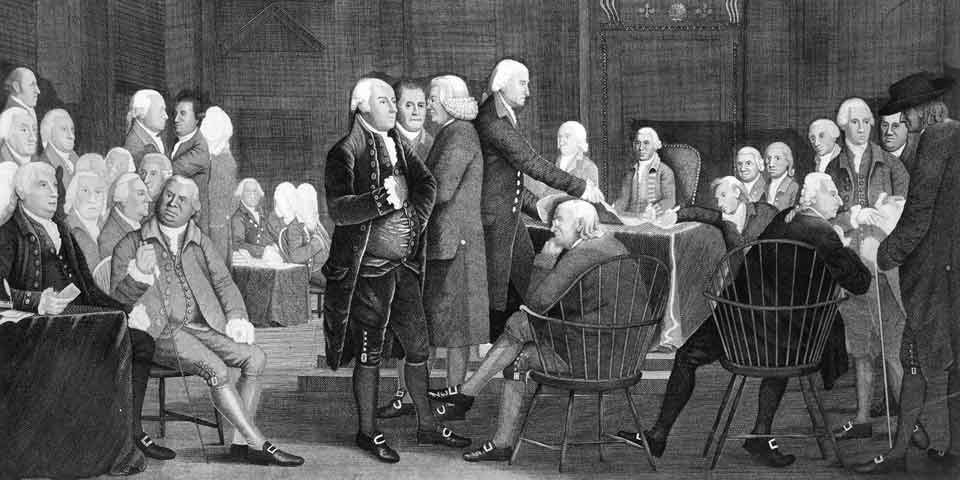
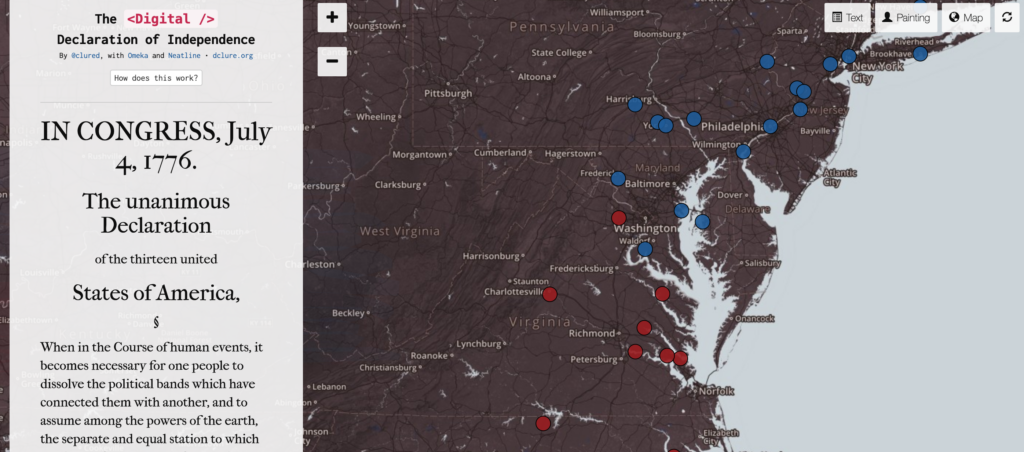
The Semiquincentennial is the 250-year anniversary of the United States. It marks 250 years since the signing of the Declaration of Independence in 1776 and will be officially celebrated on July 4, 2026. Schools and communities across the country will recognize this milestone through special events and educational activities leading up to and throughout the year.
250 by the Numbers
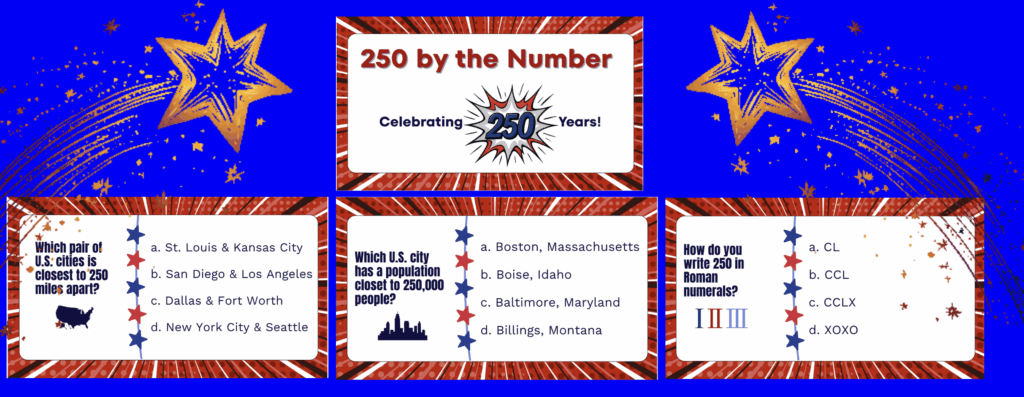
This interactive trivia-style activity challenges students to think about the number 250 in creative ways. Questions span math, geography, time, and real-world comparisons. Each of the 13 questions is followed by the answer, making it perfect for whole-class play, partner discussion, or quick check-ins that spark curiosity without pressure.
What’s Inside a State Name?

Students take a fresh look at U.S. state names by analyzing letters, syllables, patterns, and structure. This activity turns the 50 states and capitals into 17 word-based puzzles that encourage close observation and flexible thinking. It works especially well for students who enjoy wordplay and spotting quirky patterns.
Fancy Words Simple Meanings
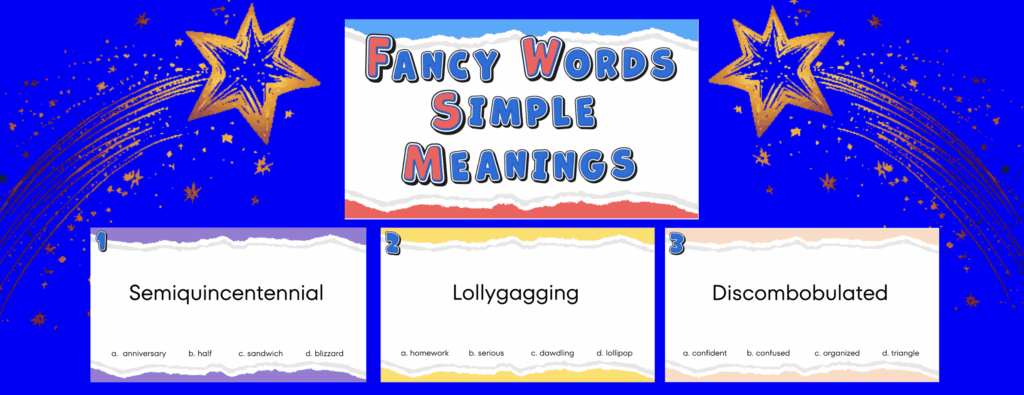
This vocabulary activity introduces students to longer, more sophisticated words in a low-stress way. Each word includes four meaning options, followed by the correct answer and a visual to support understanding. With 14 core words plus a bonus set for students ready to go a little further, it keeps vocabulary practice fun and approachable.
I created this activity because semiquincentennial is such a wildly long word, and it felt like the perfect excuse to show students that “fancy” words are often much simpler than they look.
Mapping America with Food-Named Towns
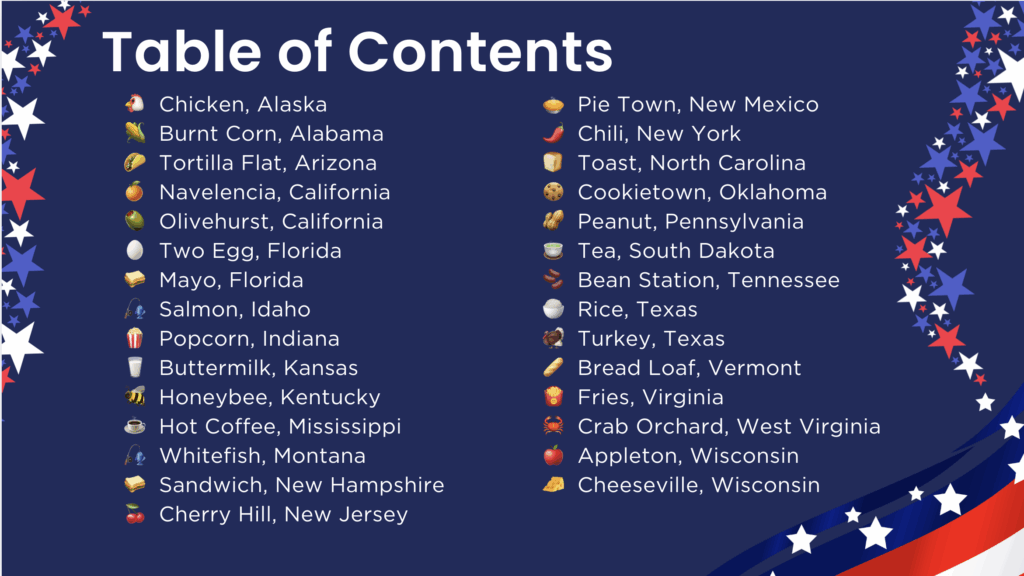
This presentation invites students to explore real cities and towns across the United States that have food-inspired names. It’s a fun and curiosity-driven way to look at some of the quirky places that really exist, and it naturally sparks conversation and laughter as students make connections and ask questions. Other ideas include:
- Discussion Starter
Use the towns to spark conversation about place names, why communities might be named the way they are, or whether students think the names fit the locations. - Guess the State
Show the town name only and have students guess which state they think it is in before revealing the answer. I provided the template so you can easily erase the state name if you so desire. - Writing or extension activity
Have students imagine and name their own town using a food word, then write a short description explaining where it is and why it has that name.
As America’s 250th approaches, this milestone is a great excuse to add a little curiosity and fun to the school day without overcomplicating things. Whether you use these as a quick bellringer, a brain break, or a light enrichment activity, I hope they help make this big birthday feel approachable for both you and your students. If you have a fun, creative, or unexpected way you plan to celebrate America’s 250 in your classroom, I would love to hear about it and maybe even share it with others.