According to Code.org, 93% of Texas parents want their child’s school to offer computer science, but only 40% of Texas schools teach it. Maybe the reason for their interest is because there are 44,972 computing jobs open in the state of Texas in which the average salary is $93,518. The Hour of Code is a perfect event to help drum up support for computer science in your school, district, and community to help meet the demand of your parents and the job market.
The Basics
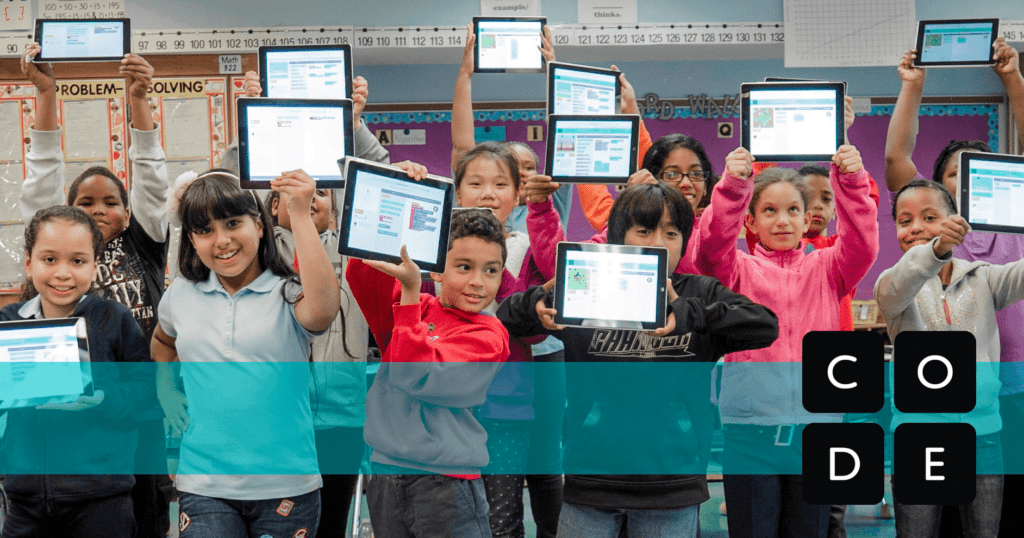
The Hour of Code is a one-hour introduction to computer science to demonstrate that anyone can learn the basics of coding. The effort was designed to demystify computer coding and to broaden participation in the field of computer science. The official Hour of Code takes place each year during Computer Science Education Week. The 2018 Computer Science Education Week will be December 3-9, but for all practical purposes, you can host an Hour of Code all year round.
Organizing an Hour of Code event at your school or in your community is easy. Their website provides step-by-step instructions on how to pull off the event, complete with activities your participants can use to learn to code in an hour. They also provide ideas to get your community involved and a FAQ page that will answer almost every question you have about hosting an Hour of Code.
Five Easy Steps to Host a Hour of Code
Code.org has made is easy for you to host an hour of code. Here are the things they suggest you need to consider to make your event a success.
1. Logistics
The first thing you need to decide is where are you going to host the event. They have coding activities that you can use for any device, but you need to decide which devices you’ll use and what you’ll need to make sure they have the necessary bandwidth and power. Code.org even has activities to teach computational thinking skills without using a computer so your event can take place anywhere, even a public park! Just make sure you have reviewed what materials you’ll need for these types of “unplugged” activities.
2. Pick a Tutorial
You may be thinking, “This sounds great, but I don’t know how to code, so how could I help teach someone else?” All the  activities are self-guided so you don’t have to know how. You can learn to code at the same time as your participants! All you have to do is select a tutorial to use in your Hour of Code. All teachers can participate because Code.org has tutorials that are related to math, science, social studies, language arts, fine arts, and computer science. You can sort by subject area, grade level, and by the coding abilities of your participants.
3. Promote the Event
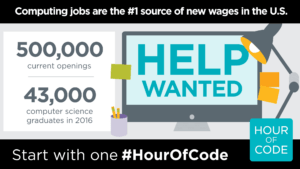 Now that you are all jazzed about hosting an Hour of Code, you want to make sure others know about it. Hour of Code has all types of promotional materials for you to use. They have handouts, videos, posters, social media, and different tools you can use to reach certain people in your community, including your elected officials.
4. Host an Hour of Code
Once you have taken care of all the pre-event details, it is now time to host the event. Have your participants go to code.org/learn and choose the tutorial you picked out. If any of your participants finish early, have them either help someone else or find another tutorial to complete.
5. Celebrate Your Success
When your participants complete the hour, be sure and celebrate. You might want to create a photo booth where they could take selfies and post their photos on their favorite social media site using #HourOfCode as your hashtag. You could also create a certificate to be given out at the end of the hour.
Hour of Code events are full of energy and excitement. It is the perfect opportunity to demonstrate that everyone can code. Who knows, you may spark an interest in coding for the next Steve Jobs! What are you waiting for? Get busy planning your event!




 In order to accomplish the goals established in our priorities, it is imperative that teachers have a supportive environment in which to adapt their teaching strategies to take advantage of empowering technologies. Teachers recognize the benefits of the use of technology, but don’t always know how and when to use the different technologies that are available. This is why TCEA believes strongly that teachers need ongoing, job-embedded professional learning opportunities that empower them to use appropriate
 Every student has distinct learning needs, interests, and aspirations. Up until recently, it was extremely difficult to tailor the instructional strategies to meet each student’s needs. Technology can be an enabler of this type of educational model. It allows students to guide their inquiry as they decide how they will interact with the content, including the time and location. This type of learning requires a major shift in the delivery of instruction and involves teacher professional learning, a robust technical infrastructure, the selection of appropriate content, and strong leaders who know how to manage this type of change. Many of the strategies listed above support the goal of personalized learning; however, there are a few that have not yet been addressed.


 These changes will give more options to districts as they decide which courses they can staff. Many districts offer Computer Science I, Computer Science II, and AP Computer Science A. However, because many districts
  In addition, the SBOE is requiring publishers who submit digital instructional materials for Proclamation 2019 to complete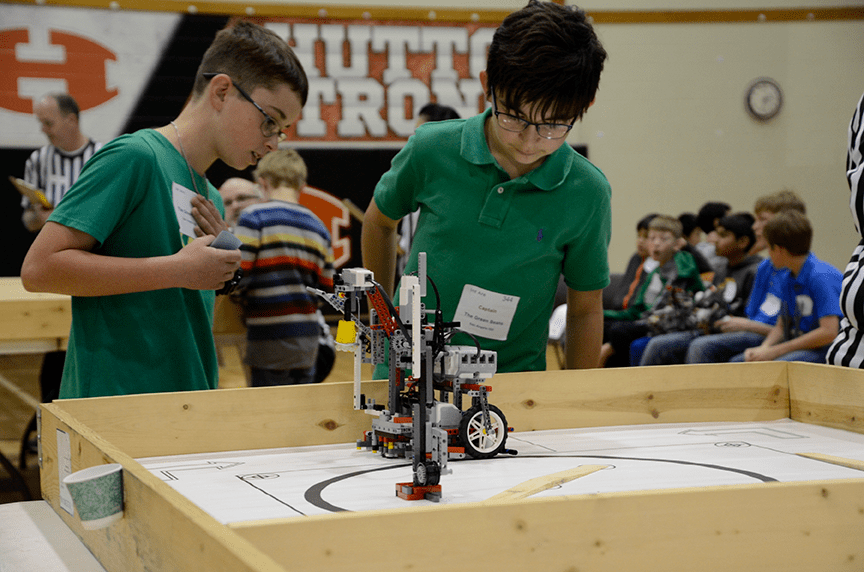
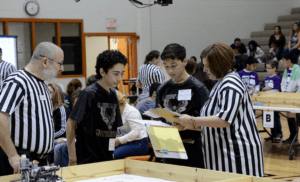 This year’s challenge, Mastering Mars, allowed students the opportunity to task their robots to prepare the Martian environment for human settlement and iron mining. Each team’s robot had to complete as many tasks as they could within the two-minute time frame. Teams were allowed to use one LEGO Mindstorms programmable processing unit, LEGO-branded motors and sensors, other LEGO-branded devices, and non-LEGO parts not to exceed the five dollar limit.
 As Arena contestants battled it out for the top spot, Invention participants exercised their creative-thinking skills by designing a robot to solve a real-world problem of their own choosing. From iPotty toilet assistance for the elderly to oil pipe sealing robots, students of all ages let their imaginations run free to create exciting solutions to make the world a better place. Other solutions offered to save lives, assist entomologists to gather insect specimens, and collect dangerous metal objects, among others.

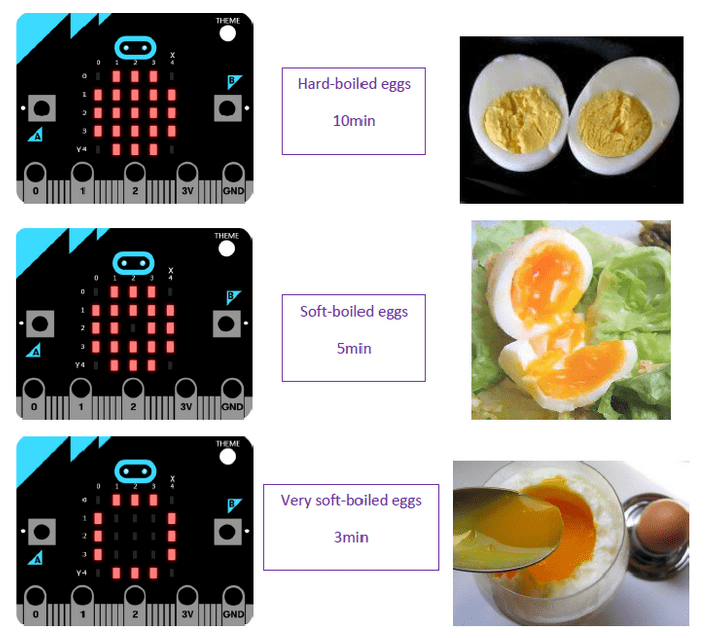 Step 1 : Print your egg timer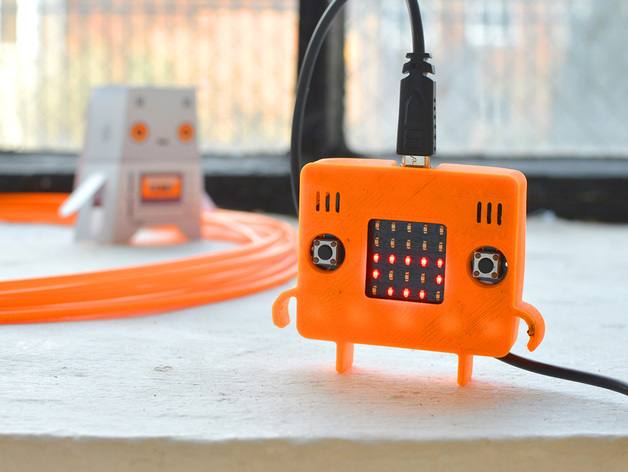

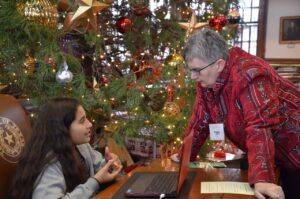
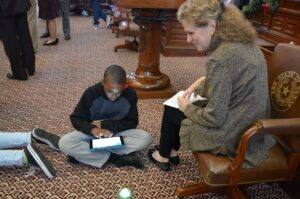
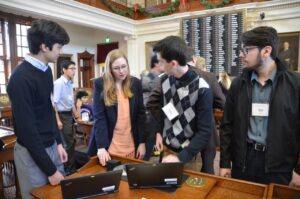 House of Representatives. Students from Richardson, San Antonio, Austin, Pflugerville, Spring Branch, Leander, Hays County, and Lufkin came to the Capitol to demonstrate the different ways students gain coding experience in their elementary, middle, and high schools. They also came to teach state legislators and their staff members how to write their first line of code.
 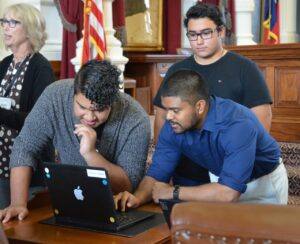 The
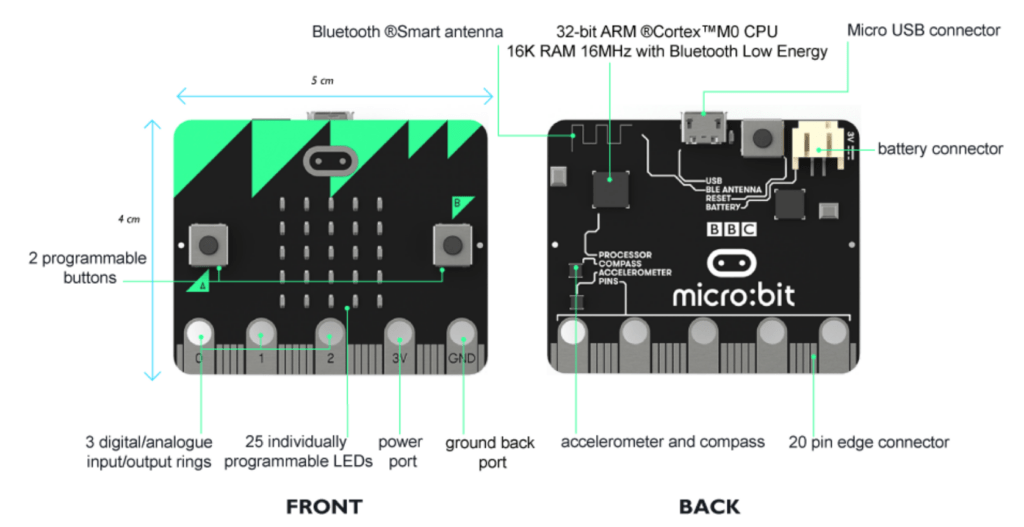
The 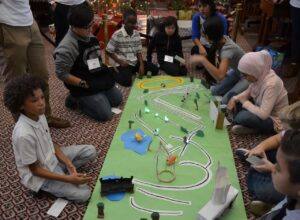 students and listened to some San Antonio elementary students read a story they wrote, as their pre-programmed robots acted out the plot line. In fact, there were a variety of different robots roaming about the floor of the chamber, including: Lego, Sphero, Dot and Dash, Makeblock, Mircobits, and Ozobots. One of the participant’s favorite activities was test driving the code written for a virtual reality experience by the Richardson ISD high school students.
  The students also got to hear what it takes to work at Facebook, Google, and Uber. Representatives from these companies spoke to the students over pizza and soft drinks. They highlighted the benefits of working in the tech industry and what it takes to land a job at one of these three companies. It won’t be long before these students will be polishing their resumes and knocking on their doors. The likelihood of these students getting jobs is strong since there are currently over 40,000 unfilled high-tech jobs in Texas. And yet, only 3 percent of high school students took a computer science course last school year.
 This is why this day was so important. Educating policy makers on the benefits of computer science is critical to enacting policies that can effectively change the dismal statistics. Some of the strategies to increase the opportunities for students to gain computer science skills are: