Howdy, folks! Welcome to another in a series of periodic ed tech news roundups. We hope you enjoy this one, and if you have a story you’d like to see included, let us know.
Connecting with Students
Among the issues and disparities highlighted by the world’s transition to remote learning, broadband internet access has been a sticking point for schools and districts everywhere.
- In Georgia, an education professor and former educator is working to create awareness of the connectivity issues many students face today. [All on Georgia]
- Meanwhile, schools in Maine serve as a microcosm of the struggles that teachers, students, and parents face when it comes to access to learning technology. [The Portland Press Herald]
Future-Proofing
A new kind of normal is likely to emerge from this period of remote teaching. What that “normal” looks like is only now being revealed.
- Close to 1.4 billion students are taking part in remote learning. Here’s how the World Economic Forum predicts this era might change education for the long run. [World Economic Forum]
- At the University of Massachusetts-Lowell, a new course in educational technology is helping educators precisely when it’s needed. [UMass-Lowell]
Helping Hands
As changes to teaching and learning develop, students and educators are offering support in a time of need, from practical innovations to emotional support.
- In the Abilene area, robotics students are supporting local health workers through an inventive and impactful project. [Raise Your Hand Texas]
- As the transition continues, educators are sharing stories of support for their colleagues, students, and community. [The Washington Post]
…And Finally
Has your school’s tech team been putting in a Herculean effort to keep everyone connected? It’s the same at a Miami school — except their tech team is made up of dedicated students. [CNN]
Photo: Maria Teneva


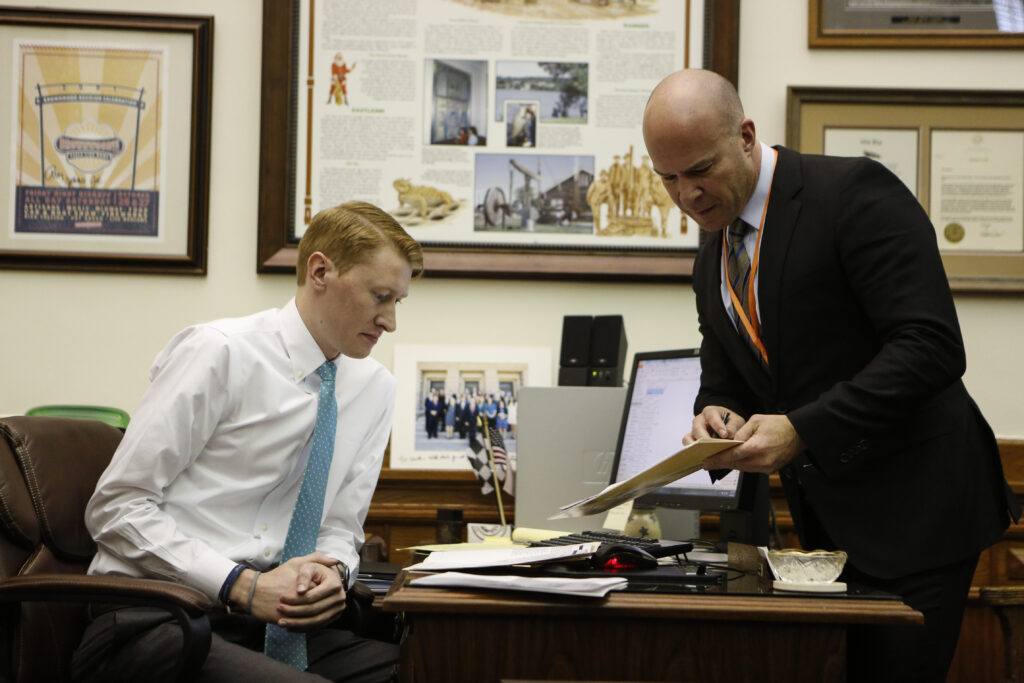 In order to accomplish the goals established in our priorities, it is imperative that teachers have a supportive environment in which to adapt their teaching strategies to take advantage of empowering technologies. Teachers recognize the benefits of the use of technology, but don’t always know how and when to use the different technologies that are available. This is why TCEA believes strongly that teachers need ongoing, job-embedded professional learning opportunities that empower them to use appropriate
 Every student has distinct learning needs, interests, and aspirations. Up until recently, it was extremely difficult to tailor the instructional strategies to meet each student’s needs. Technology can be an enabler of this type of educational model. It allows students to guide their inquiry as they decide how they will interact with the content, including the time and location. This type of learning requires a major shift in the delivery of instruction and involves teacher professional learning, a robust technical infrastructure, the selection of appropriate content, and strong leaders who know how to manage this type of change. Many of the strategies listed above support the goal of personalized learning; however, there are a few that have not yet been addressed.
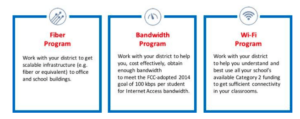
 School districts across the state can benefit from the funding, and a majority of those eligible are in rural areas. We’re continuing to work with schools to make sure they understand how to use the funding to improve Internet access for their students.