
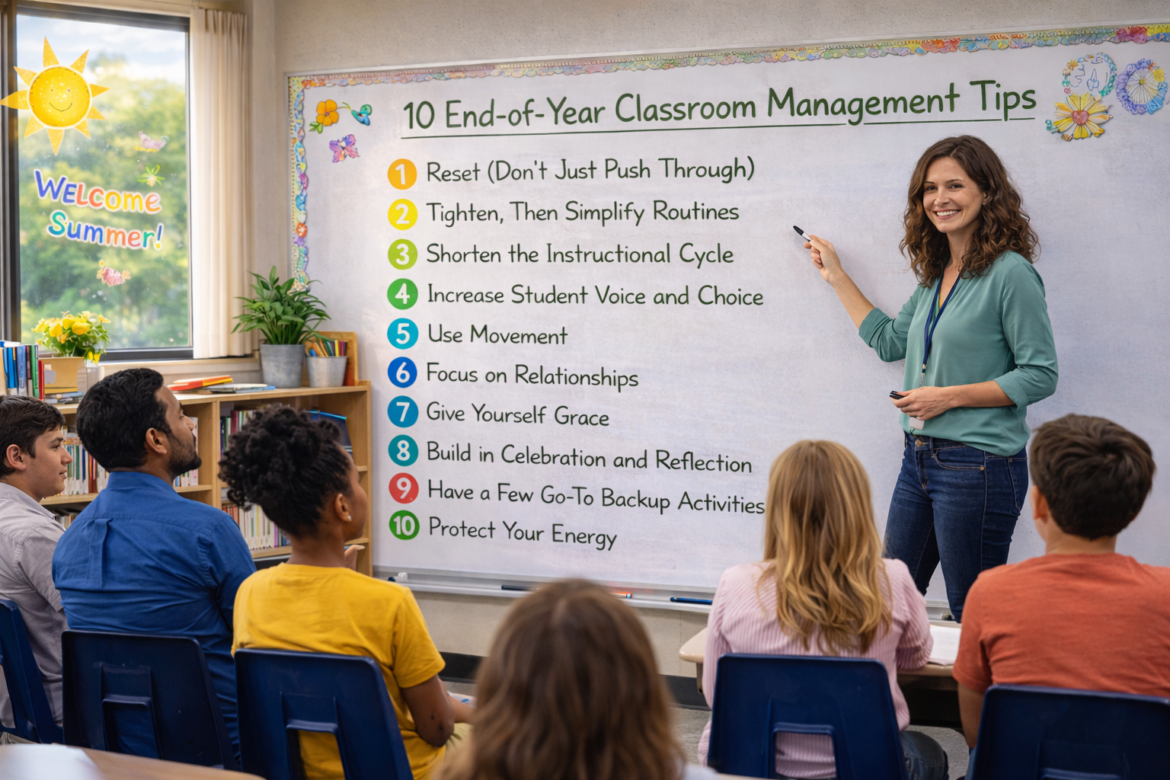
As the school year ends, many teachers begin to notice a shift in classroom management. Energy levels drop, attention spans shrink, and behaviors that were once manageable can become more frequent. Research on end-of-year teaching conditions shows that both students and teachers experience increased mental fatigue, distraction, and emotional stress during this time, all of which can impact classroom behavior and the overall learning environment. Therefore, this is the perfect time to adjust expectations and finish strong without burning out.
Here are some practical strategies to help you navigate classroom management during these final weeks.
1. Reset (Don’t Just Push Through)
When behavior starts slipping, our instinct is often to power through. But a quick reset can make a big difference.
Take 10–15 minutes to:
- Revisit expectations
- Acknowledge that the end of the year feels different
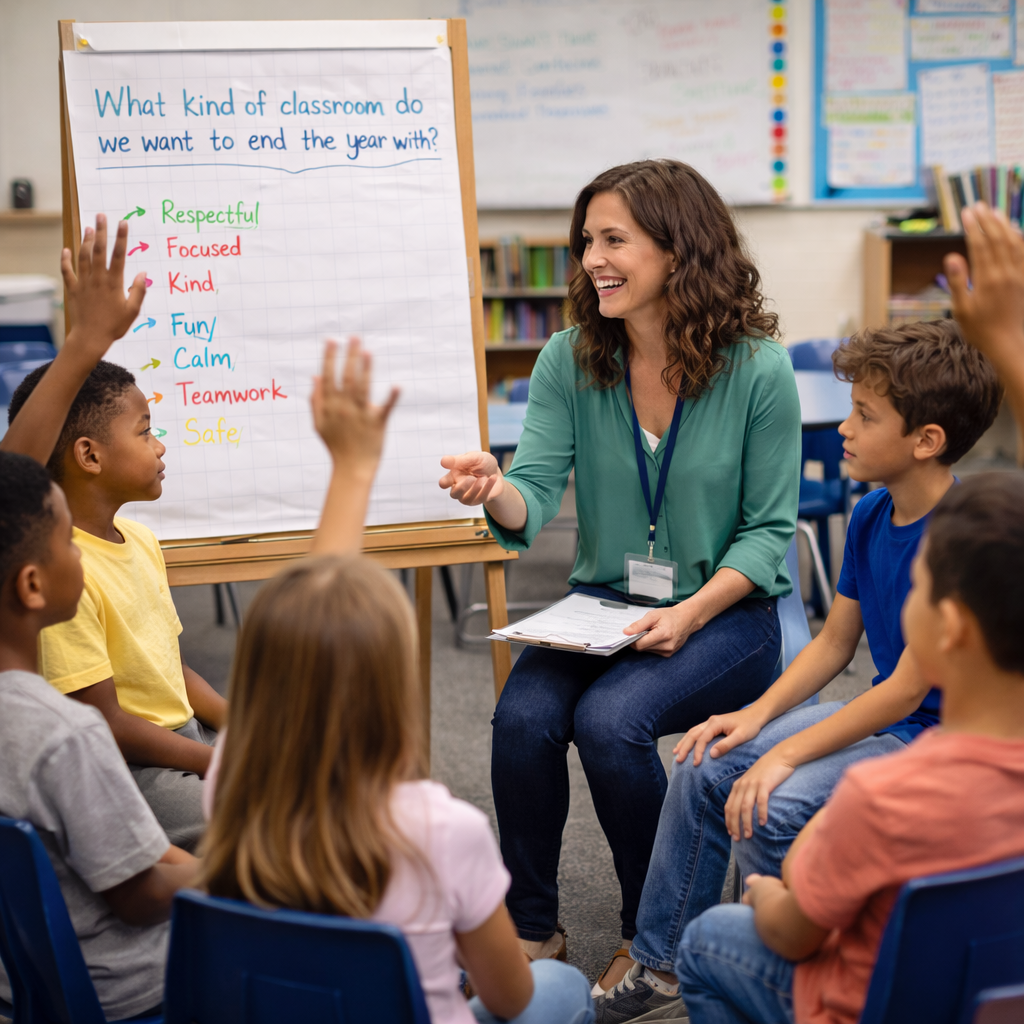
- Co-create with students what a strong finish looks like
Ask students: “What kind of classroom do we want to end the year with?” Capture their responses and turn them into a short list of shared commitments.
2. Tighten, Then Simplify Routines
End-of-year chaos sometimes comes from loosened routines. Instead of adding more structure, focus on making your core routines clear and simple.
- Re-teach key procedures (yes, even in May)
- Keep transitions predictable
- Eliminate unnecessary complexity
If something isn’t working, simplify it rather than replacing it.
3. Shorten the Instructional Cycle
Attention spans shrink this time of year. Long lessons can lead to off-task behavior.
Break learning into smaller chunks:
- Mini-lesson (5–10 minutes)
- Activity or practice
- Quick check for understanding
- Repeat
This keeps students engaged and reduces opportunities for disruptions.
4. Increase Student Voice and Choice
Students often act out when they feel disengaged or powerless. Giving them more ownership can shift behavior quickly.
Offer:
- Choice in topics or formats
- Options for how to demonstrate learning
- Opportunities to lead or facilitate
Let students choose between creating a video, slideshow, or one-pager to show what they’ve learned.
5. Use Movement
Even if your room setup limits movement, small changes can help, such as:
- Turn-and-talks
- Quick stand-and-share moments
- Silent gallery walks
Movement can reset energy without creating chaos.

6. Focus on Relationships
At this point in the year, relationships matter more than ever.
- Greet students at the door
- Acknowledge effort, not just behavior
- Have quick check-ins, especially with students who are struggling
Sometimes a 30-second conversation can prevent a 10-minute disruption.
7. Give Yourself Grace
Not every day will be perfect and that’s okay.
- Prioritize what matters most
- Recognize that students are also experiencing end-of-year fatigue
You don’t have to do everything the same way you did in October.
8. Build in Celebration and Reflection
Students need closure just as much as structure. Try to incorporate:
- Reflection activities (What did I learn? What am I proud of?)
- Class shout-outs or recognitions
- Small celebrations of progress
This helps shift the focus from winding down to finishing strong.
9. Have a Few Go-To Backup Activities
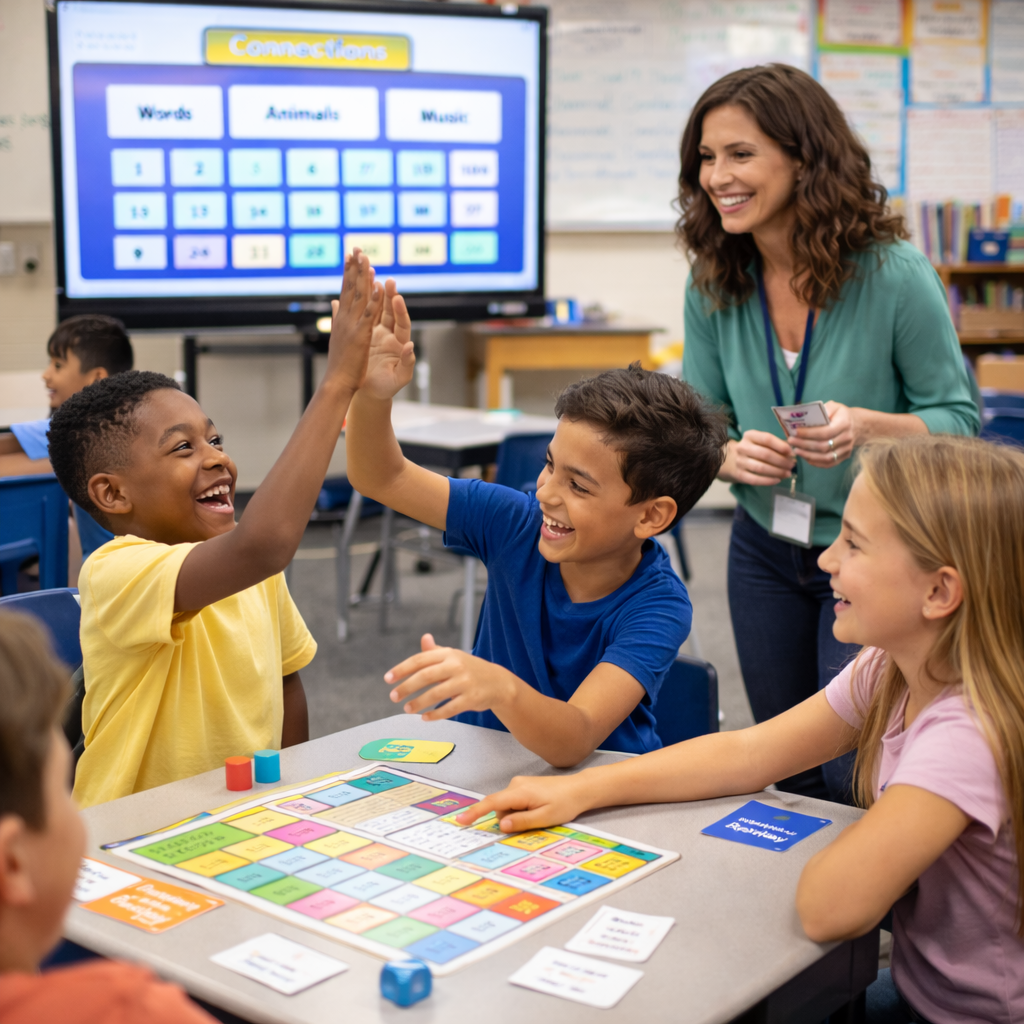
Unstructured time can quickly lead to behavior issues. Keep a few low-prep, high-engagement options ready:
- Quick review games, like Connections
- Creative writing prompts
- Virtual field trips
- Choice boards
Think of these as your safety net for those unpredictable days.
10. Protect Your Energy
Finally, remember that classroom management is harder when you’re exhausted.
- Set boundaries for your time
- Avoid over-planning
- Lean on what already works
- Celebrate small wins
You’ve made it this far. That matters.
Final Thoughts
The end of the school year isn’t about perfection. It’s about finishing with intention. A few small adjustments can help you maintain a positive classroom environment while also preserving your own energy and well-being. Sometimes, success looks like simply making it through the day with your sanity intact and your students still learning.