Stay updated on the latest education trends. Explore tools, strategies, and insights to keep your teaching and learning practices innovative.
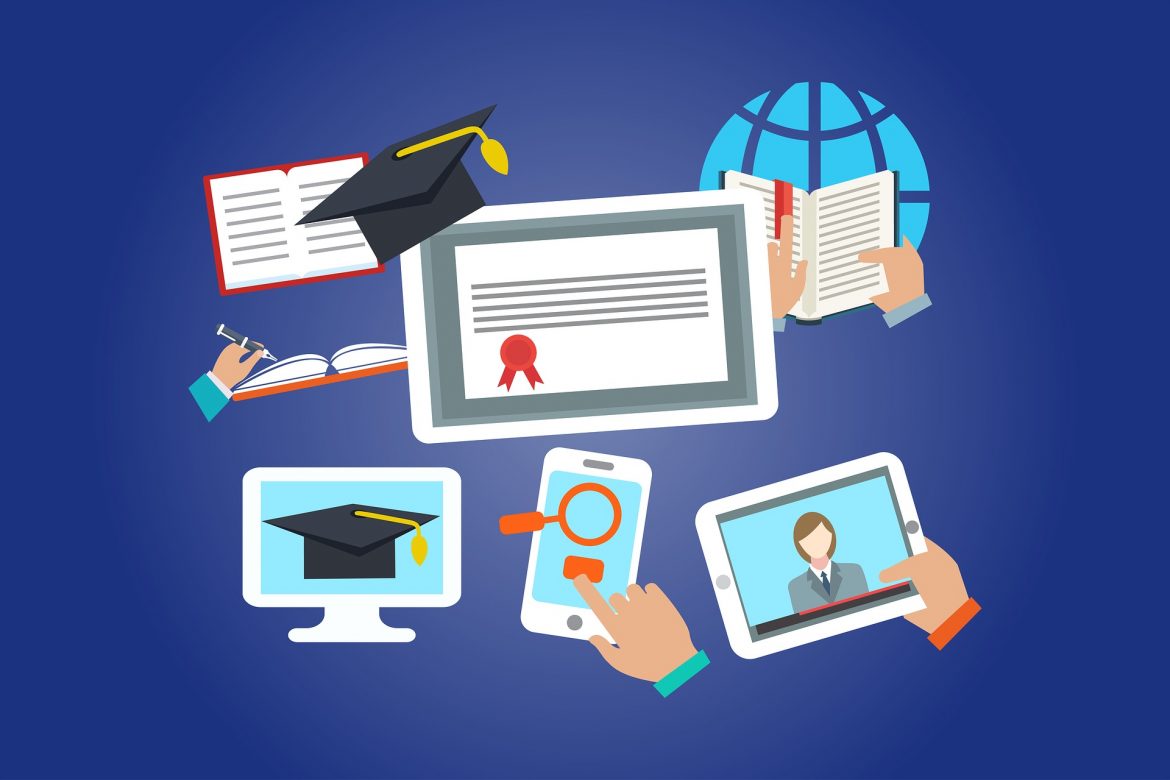
Words have meaning. The question is do we all have the same understanding of the meaning of a particular word or phrase. We have been using technology in schools for 40 years, and over this time, we have used different phrases to describe its use.
The recent pandemic has required schools to respond quickly to school closures to ensure the continuity of learning. In many instances, technology was used to bridge the gap from school to home. Therefore, I thought this was a good time to refresh our understanding of these terms, especially since this crisis has produced a new term (remote learning) related to the use of technology in education.
A Short History of Ed Tech
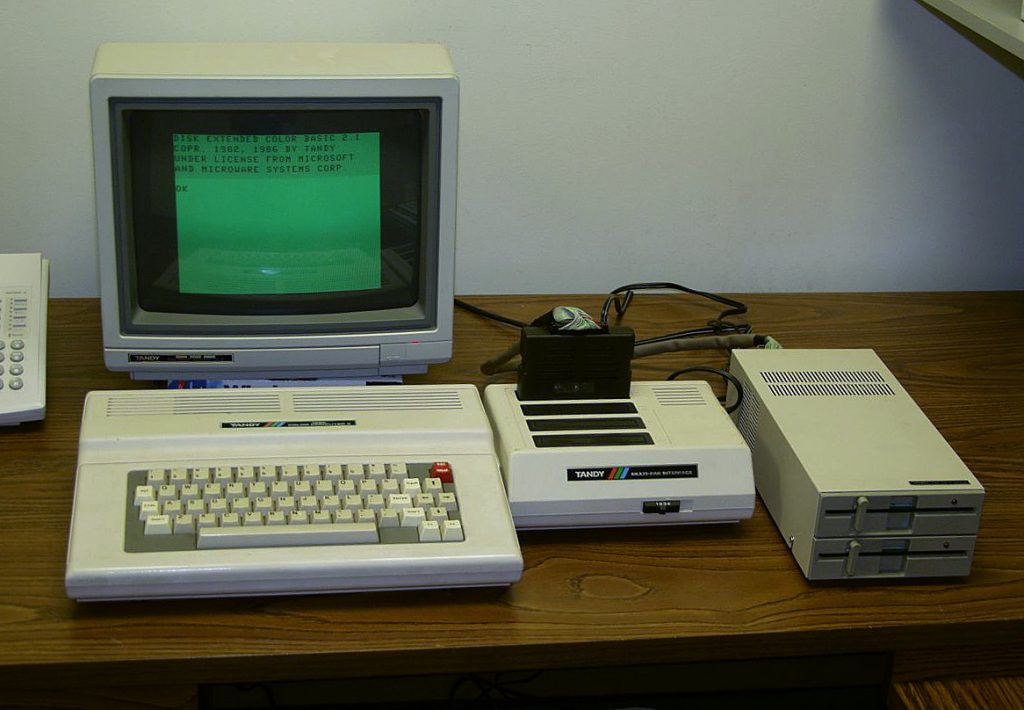
TCEA was founded in 1980 by teachers who were beginning to explore how to use computers in the classroom. At the time, computers for student use were usually located in a computer lab that was primarily used to teach students basic computer literacy.
In the late 1980’s, districts began to explore ways teachers could use computers and other types of technologies to support their instructional goals. In order to do this, the teachers first had to be trained on how to operate a computer and various software applications. When the goal expanded from basic computer literacy to integrating technology into the instructional process, teachers’ professional development changed from learning how to operate the technology to the best way to use the technology to support the student learning.
Terms Evolved to Describe Technology Use
Because technology has been used in a variety of settings and in different ways to support the instructional process, different terms and phrases have been used to express the different models of technology use. Sometimes these terms are misunderstood and misused. In order to try to provide some clarity, I would like to provide some descriptions for the different types of technology used to support student learning.
But I need to provide a disclaimer. Nailing down an agreed-upon definition has not been easy. I reviewed definitions used by associations and entities, as well as reviewed the Texas Education Code to see if some of these terms have a legal definition. And although most of the definitions are similar, there are some differences.
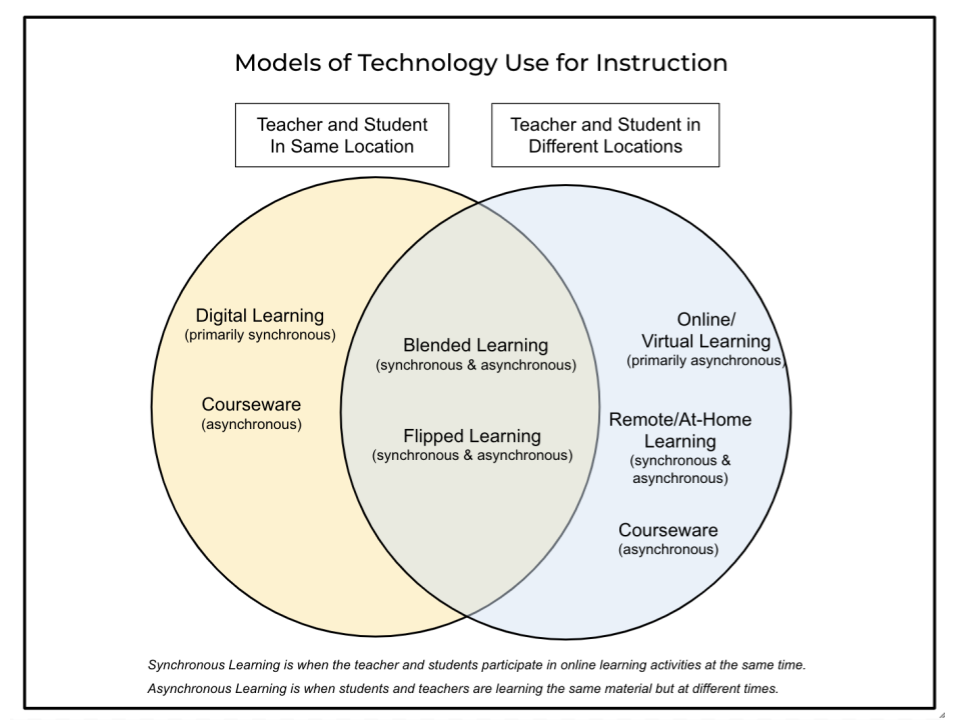
I decided that the best way to understand these terms is to place them in a Venn diagram. On one side of the diagram are the uses of technology that are used within a brick and mortar building where both the teacher and student are present. The other side of the diagram is where the student and teacher are not in the same physical space. The shared portion of the diagram are the uses of technology that are often used in both face-to-face and virtual interactions between the teacher and student.
Synchronous vs. Asynchronous
Before you review the diagram, you need to know the difference between synchronous and asynchronous learning. Synchronous learning is when the teacher and students participate in learning activities at the same time. Asynchronous learning is when students and teachers are learning the same material but at different times.
Definitions:
Digital Learning is any instructional practice that effectively uses technology to strengthen a student’s learning experience. It emphasizes high-quality instruction and provides access to challenging content, feedback through formative assessment, opportunities for learning anytime and anywhere, and individualized instruction. It is important to note that digital learning may be used in all of the other models except courseware. (Source: Digital Learning Day)
Courseware refers to any instructional software that is delivered on a computer. This is typically used to describe a self-contained course. A student receives all of their instruction via the computer and the software application. There is little to no personal interaction with a teacher. This could be done within the school building or at home. (Source: The Learning Coach)
Blended Learning is an instructional approach that includes a combination of online and in-person learning activities which provide some element of student control over the time, place, path, and/or pace of their learning. At least some of the instruction is supervised in a brick-and-mortar location away from home. (Source: The Learning Coach, Raise Your Hand Texas, The Christensen Institute, and the Texas Education Code)
Flipped Learning is when students are introduced to the learning material before they come to class through video lectures, readings, or labs. Classroom time is used to deepen understanding through discussion with peers and problem-solving activities facilitated by the teacher. (Source: Advanced HE and Project Tomorrow)
Distance Learning occurs when students and their instructors are in two different locations. It usually involves a digital device and the internet. The learning can be synchronous or asynchronous. The following are types of distance learning:
- Online/Virtual Learning refers to a digital learning environment that takes place over the internet rather than a physical classroom. The teacher and student are not physically in the same location. The instruction delivery is primarily asynchronous, but could include some synchronous instruction. Courses provided by the TxVSN are an example of online or virtual learning. (Source: The Learning Coach)
- Remote or At-Home Learning is a new term that describes distance learning, but has been closely associated with the COVID-19 pandemic. In the Spring of 2020, this term described a school district’s attempt to help their students remain connected and engaged with the content while working from their homes. In a remote learning setting, a student receives instruction through online learning and/or via paper packets that are distributed to the students. People are now making a distinction between what transpired in the Spring of 2020 (Emergency Remote Learning) and what districts are preparing to offer their students in the 2020-2021 school year. Remote Learning is now being used to describe a class that intends to meet face-to-face in a traditional format, but may be transitioned (or started) online due to unforeseen circumstances. The difference between now and the Spring, is that districts have more time to prepare curriculum and teaching strategies to assist in this new learning environment. Remote learning is different from virtual or online learning. The latter typically refers to courses intentionally designed from the beginning to be delivered online. It was never intended for these courses to ever meet in-person, and students were never intended to work on these assignments in the same space. .
Update: This paragraph was updated on July 10, 2020 to reflect the changing nature of the term remote learning.
In Conclusion
These are not the only terms that have been used to describe the use of technology in schools. However they are the most popular terms that are in use today.
Hopefully this helps clarify the different models of technology use as we grapple with how to plan for the future. Technology has never been and will never be a silver bullet that will fix the education system. However, if used effectively in the hands of a good teacher, it has the potential to assist students acquire a deep understanding of the content while preparing them for future careers that will be dependent on the use of technology.
This blog was updated with additional content on July 10, 2020.
Images:
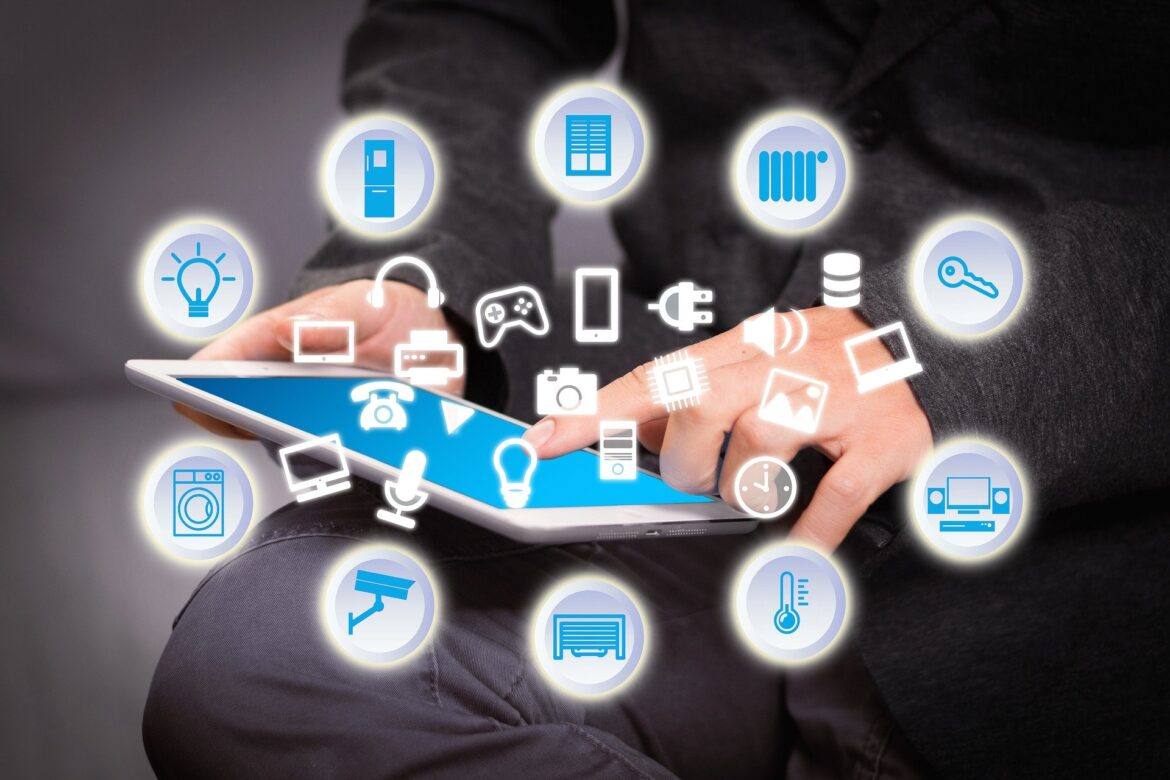
- Image of different the types of technology was taken by Mudassar Iqbal from Pixabay
- Photo of old computer was on Wikipedia



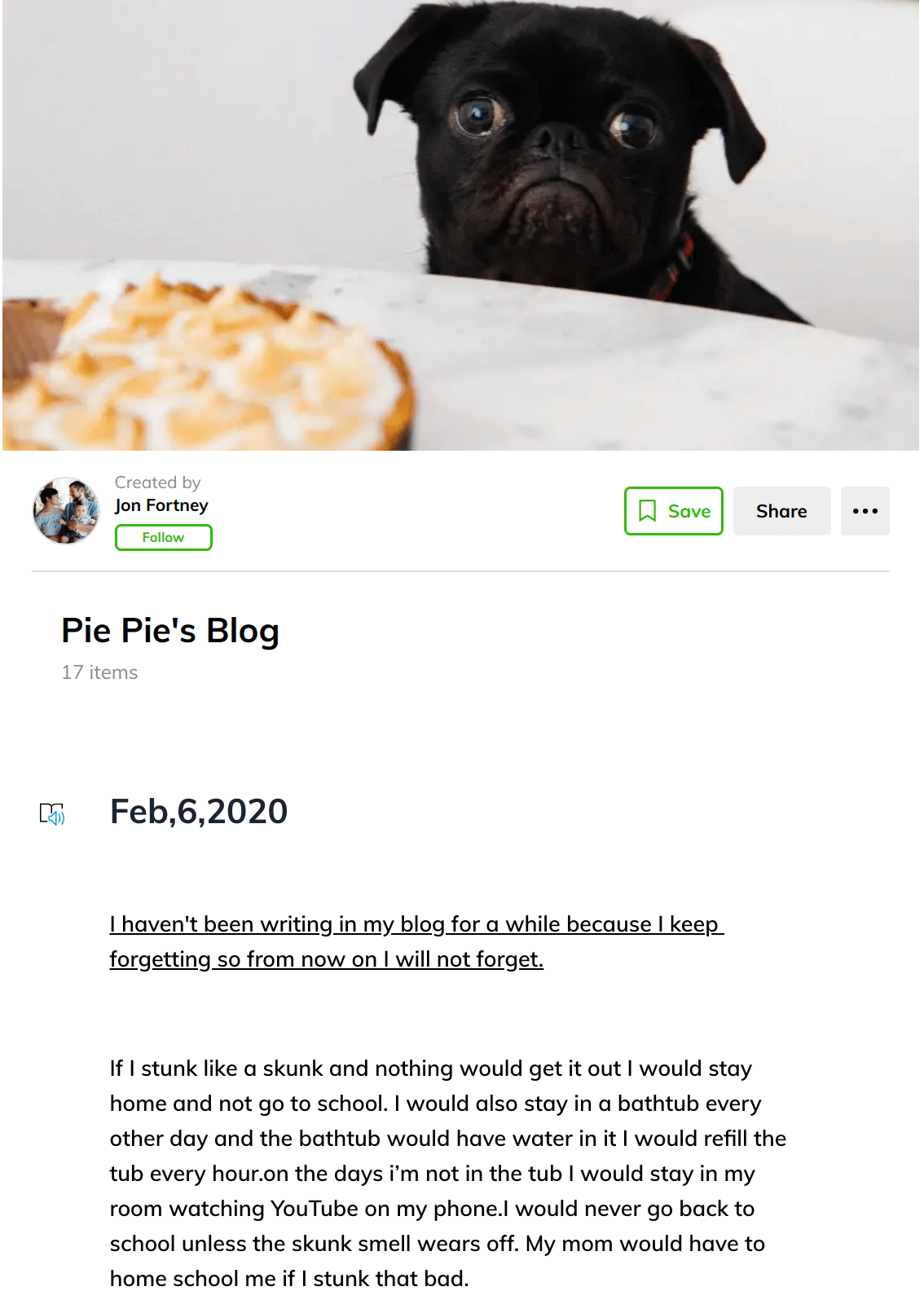 One of the first steps you need to take is to select a blogging platform. This is an online space to share content. Avoid getting caught up in the strict definition of a blog (e.g. RSS feed or an online space with content you can subscribe to). Another point you need to consider is that you need something you can control as the teacher. Students are often blocked from using tools like Blogger because they are for students older than thirteen years old. As a teacher, you need an online platform that makes it easy for you to manage content online and student posting.
 Sign up for one of our Google Certified Educator certifications. You’ll learn about more than Google Meet, as well as earn 12 CPE hours per course. Use these courses to get Google Educator certified.
 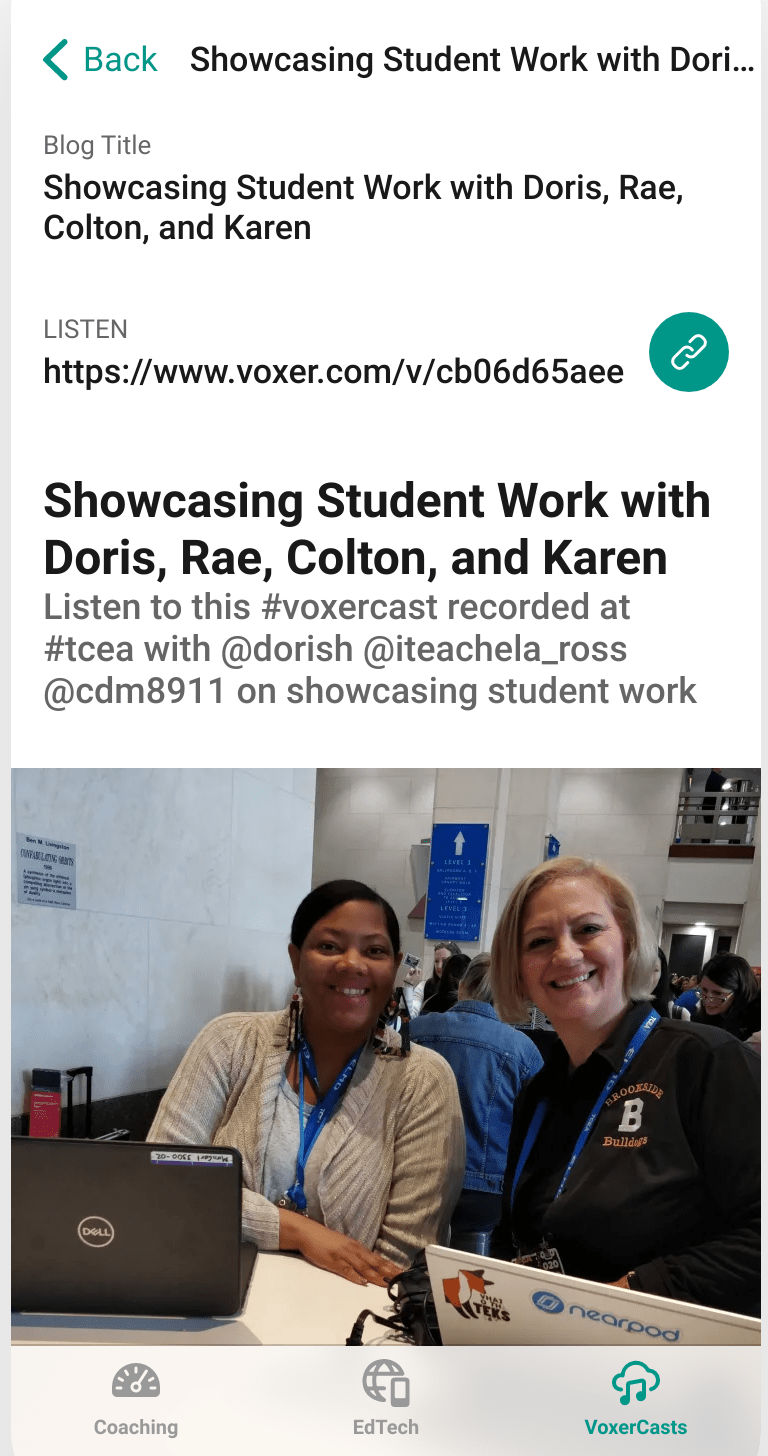 Unless you’re engaging in full-blown podcasting which involves scripts and audio editing, use Voxer to record interviews of less than 15 minutes and then post to social media (e.g. Instagram, Twitter). Be sure to combine your media shares online via Instagram, Twitter, Facebook and Tumblr. In the meantime, here are some suggested tools for working with podcasts: