
Renata, a shy but sharp fifth grader, struggled to speak in front of her peers and often allowed others in her group to lead activities. However, her eyes lit up when she discovered books on women in STEM and our 3D printer in the library. By joining STEM GEMS, she gained confidence, was accepted into the district’s prestigious and competitive STEM Academy, and is graduating this year with honors.
Renata’s transformation is exactly why I created STEM GEMS (Girls in Engineering, Math, and Science) several years ago at our Title I elementary campus. Too often, I watched girls hesitate during maker challenges or coding activities. I wanted to change that, especially as I once was a computer science major myself but became discouraged by the overwhelming male-centric presence. STEM GEMS started as a way to shift the narrative and encourage girls to see themselves as creators, engineers, designers, and problem-solvers.
What Makes STEM GEMS Work
The club’s success boils down to accessibility. We intentionally mix no-tech, low-tech, and high-tech challenges so that all students can participate regardless of prior experience or comfort level. One week, we explore chemistry by creating chromatography T-shirts. Next, we are using Tinkercad to design 3D-printed prosthetics for “injured” stuffed animals. We also invite local subject-matter experts to speak with the girls candidly about the challenges and triumphs awaiting them. The variety keeps the girls engaged and exposes them to a wide range of what STEM can look like.
Hosting the club in the library, if possible, adds another layer of accessibility. The school library is an essential, communal third space where students can explore their interests more deeply. I paired my book displays with the club topic and directed club members to additional resources, such as Storybook STEM @ Home kits.
Getting Started
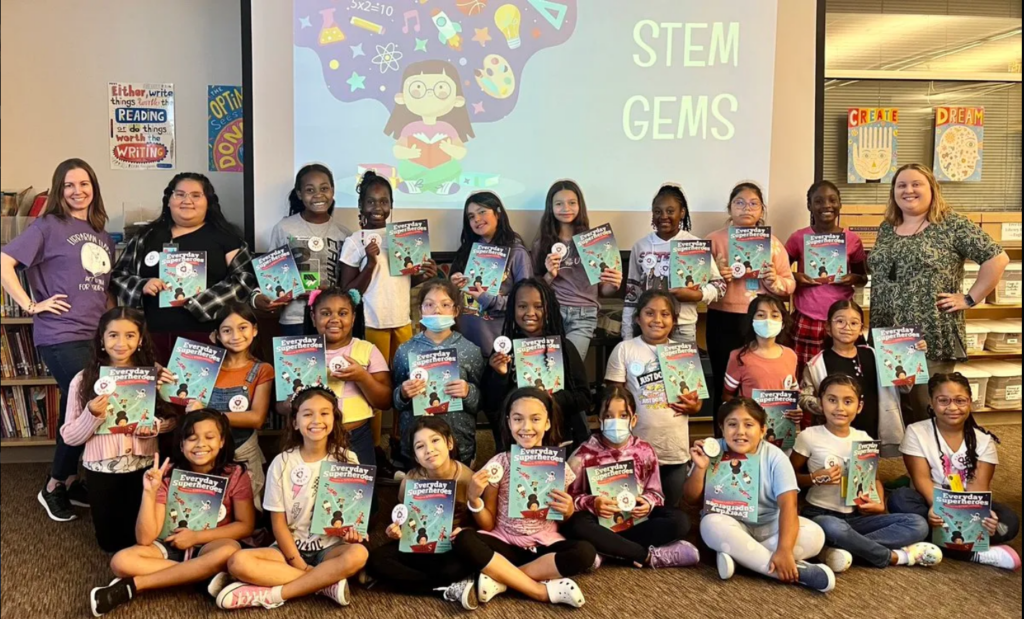
The first step is identifying the need on your campus. If you notice that girls are not raising their hands during STEM lessons or are avoiding the robotics table, you already have your reason to begin. From there, recruit a small group of students (around 25–30 to start) who might benefit from a more personal approach to STEM. Even if they are shy or unsure, invite them anyway. Sometimes all it takes is one trusted adult saying, “I think you would be great at this.”
You do not need a formal curriculum to get started. I pulled ideas from Purdue University’s GEMS handbook and added my own mix of lessons and challenges. We met bi-weekly after school, and I kept it casual and fun. The goal was to create a space where girls could explore STEM at their own pace. The first meeting matters. Set the tone with music, simple snacks, and hands-on materials ready to go. Together, create a list of “A STEM GEM…” so that everyone shares expectations and has a voice in the club.
Projects and Growth
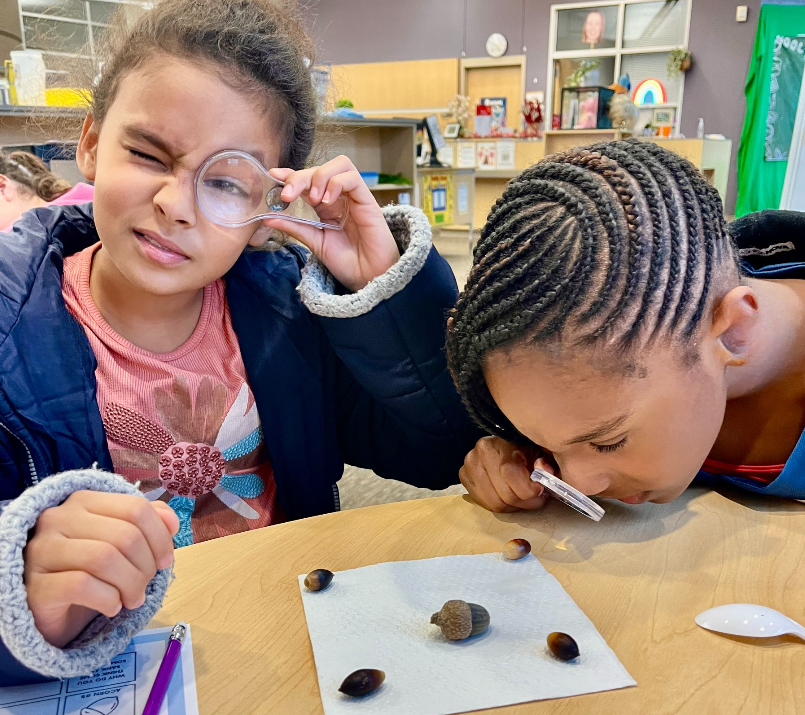
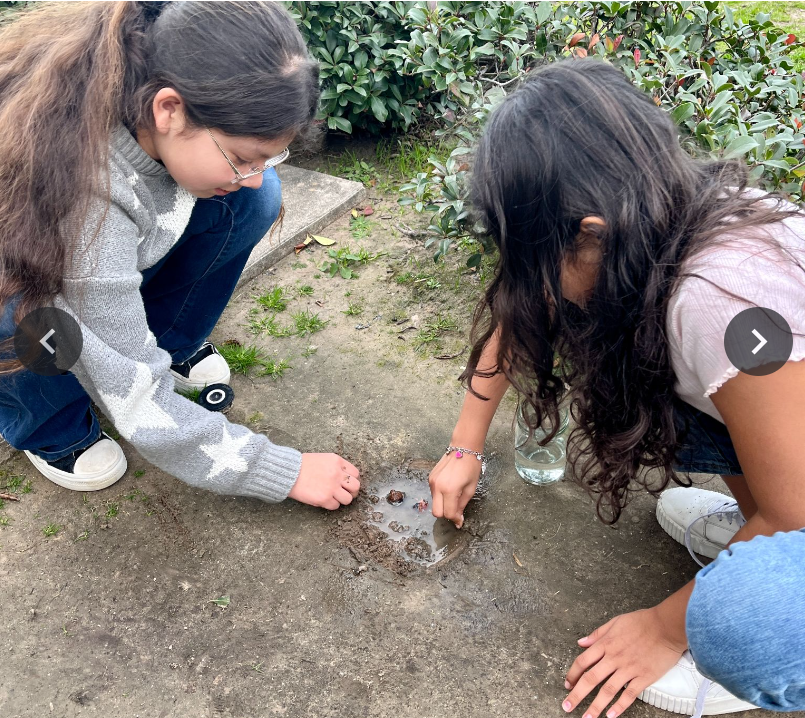
Our club’s success came from keeping things creative, collaborative, and student-centered. Standout projects included creating prosthetic limbs for stuffed animals using Tinkercad and our 3D printer, building bird nests from outside materials and testing their durability with a “hurricane,” and participating in a “Hidden Build” LEGO challenge in which one student gives verbal instructions while another builds without seeing.
One of our most effective tools was a badging system. The badges gave students visible recognition of their skills and progress. Girls earned badges by completing specific challenges, and watching them proudly display their badges and work toward new ones created a culture of celebration.
Funding and Final Thoughts
Do not let a lack of funding stop you. Some of our materials came from household donations, as many parents welcomed the opportunity to clean out unused playrooms. Dollar store finds and community support also made a difference. Your campus or district may already have discretionary funds available. Sometimes it is simply a matter of asking.
STEM GEMS is a safe space where girls learn that FAIL can mean First Attempt In Learning, that their ideas matter, and that STEM is not out of reach. You do not need to be a robotics expert or a science teacher to lead one. You just need to be willing to say yes, start small, and let your students help shape what comes next.
If you are ready to begin, I would love to share what I have learned. You can find me on Instagram @openbookamanda or visit our project site: STEM GEMS Google Site.
Connect with Amanda below and join her session, [Session Title], at the TCEA Librarian Conference.
If you’re ready to begin, Amanda would love to share what she’s learned. Connect with her on Instagram @openbookamanda or visit the STEM GEMS Google Site. Then join her session, Safe Spaces, Big Ideas: Launching a STEM GEMS Club, at the TCEA Librarian Conference.