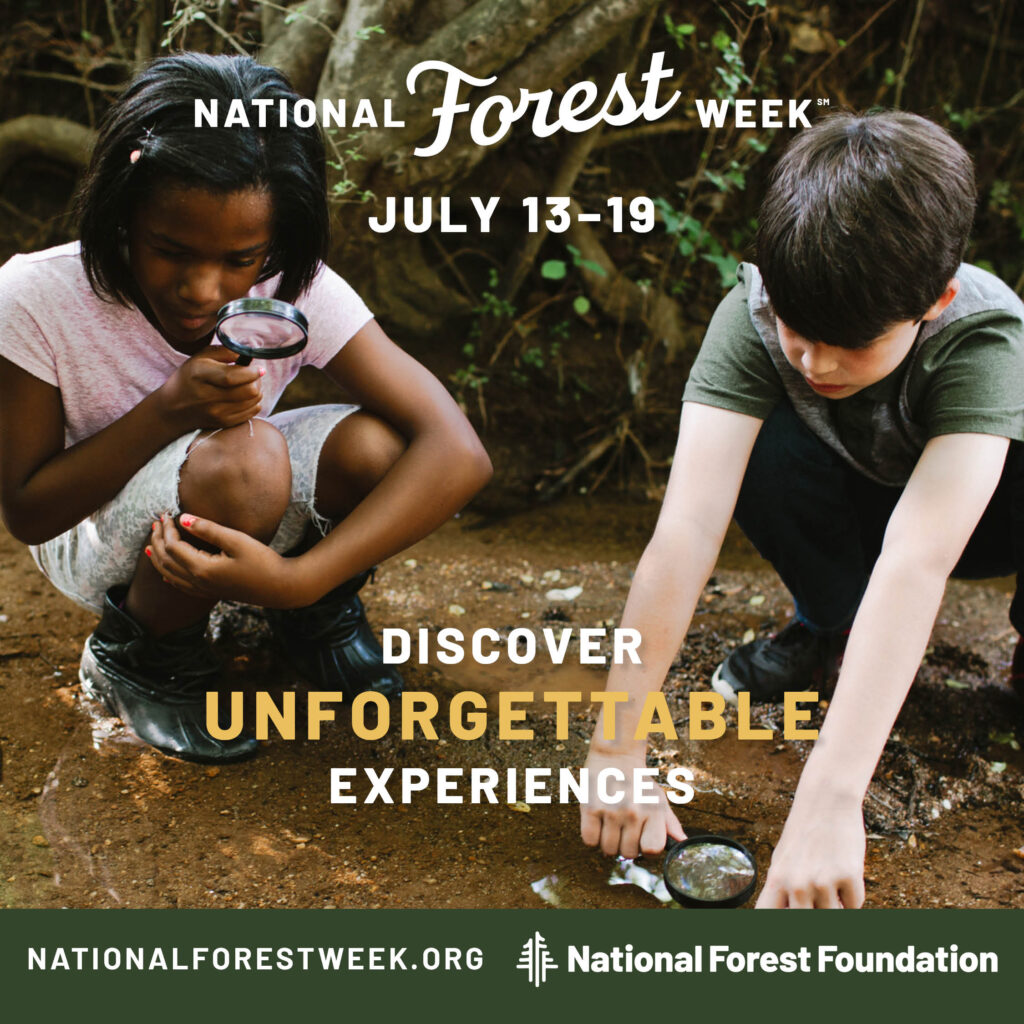
July 13–19 is National Forest Week, an annual celebration of America’s national forests. Now administered by the U.S. Forest Service, national forests were established during the presidential administration of Benjamin Harrsion in 1891 with an eventual mission to “emphasize not only resource preservation, but other kinds of use as well.”
Full of the kinds of outdoor activities you’d expect from state and national parks, national forests are a separate system within the U.S. Department of Agriculture. While national parks are meant to be as untouched by human activity as possible, national forests allow for a number of uses, including timber, grazing, hunting and fishing, and other recreational uses, like motorcycle and ATV trails, things you won’t find in a national park.
These natural spaces make great laboratories for learning, whether at home or at a distance. That’s one reason to celebrate National Forest Week. Here are some highlights of the week and related resources in which educators may be particularly interested.
National Forest Week
Despite the constraints on travel this summer, students and teachers can explore the wild places in the national forest through a number of programs and events offered digitally during the weeklong celebration, and options for exploring ecology and forest ecosystems year-round. Whether for personal fulfillment or in your role as teacher, there are a number of ways to get involved and get connected with nature.
During the week, you can join an online discussion with leaders from the National Forest Foundation and Forest Service on the Foundation’s Youtube and Instagram, along with a chat with a naturalist, live guided meditation, and more live events based on this year’s theme, this year’s theme, “Discover Unforgettable Experiences.”
Getting Out
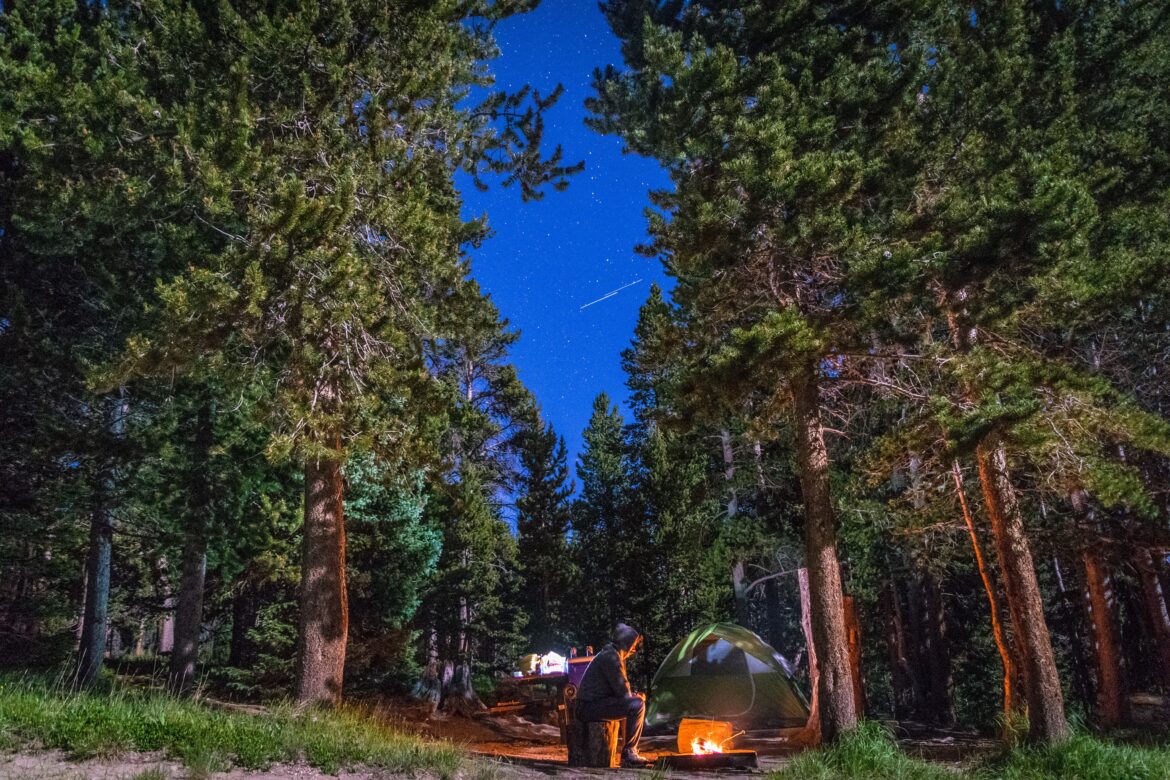
During the week, be sure to check out Discover the Outdoors, an interactive, guided hike that users can customize to their local area. It’s great for sharing nature activities with students, parents, or colleagues looking to get outdoors. While most Americans are still social distancing, hiking, camping, and similar activities are at a low risk of exposure to the coronavirus, according to the Texas Medical Association. Notably, they rank going camping as “low risk,” while going for a walk, run, or bike ride with others is a “low-moderate” risk, and using a public swimming pool or attending a backyard barbecue constitute “moderate-risk” activities.
If you’re looking to do some outdoor adventuring of your own, make sure you take a camera, stay hydrated, and check out guidelines for outdoor activities during the COVID-19 outbreak, like those from the Centers for Disease Control and Prevention, Texas Parks and Wildlife, or the list gathered by the Texas Recreation and Parks Society.
Going the Extra Mile
Educators interested in highlighting America’s national forests and wilderness can find a number of online resources shared by the Forest Service, which has established educational outreach programs and resources with a number of partners.
The agency shares useful multimedia environmental education videos, as well as self-directed games and activities for kids. The U.S. Forest Service even partners with educational organizations, like the North American Association for Environmental Education, to provide professional development opportunities throughout the country. For those looking to develop or assess an environmental education plan, check out Meera, an online tool.
Bonus: Even More “Natural” Resources for Teachers
- Celebrate Smokey Bear’s 75th Birthday with These Free Digital Resources
- Digital Resources to Celebrate Earth Day 2020
- Virtual Field Trips Around the World
- Texas Virtual Field Trips
Photo by Keenan Barber on Unsplash
 What Is Flip?
 Students begin learning observational skills in science starting in kindergarten. Though the skill is not as robust or refined as what a high school student may demonstrate, there is still great value in having them engage in observing the world around them to start taking notice of how things work. Observation is a foundational science skill that leads to communication, classification, measurement, inferencing, and predictions.
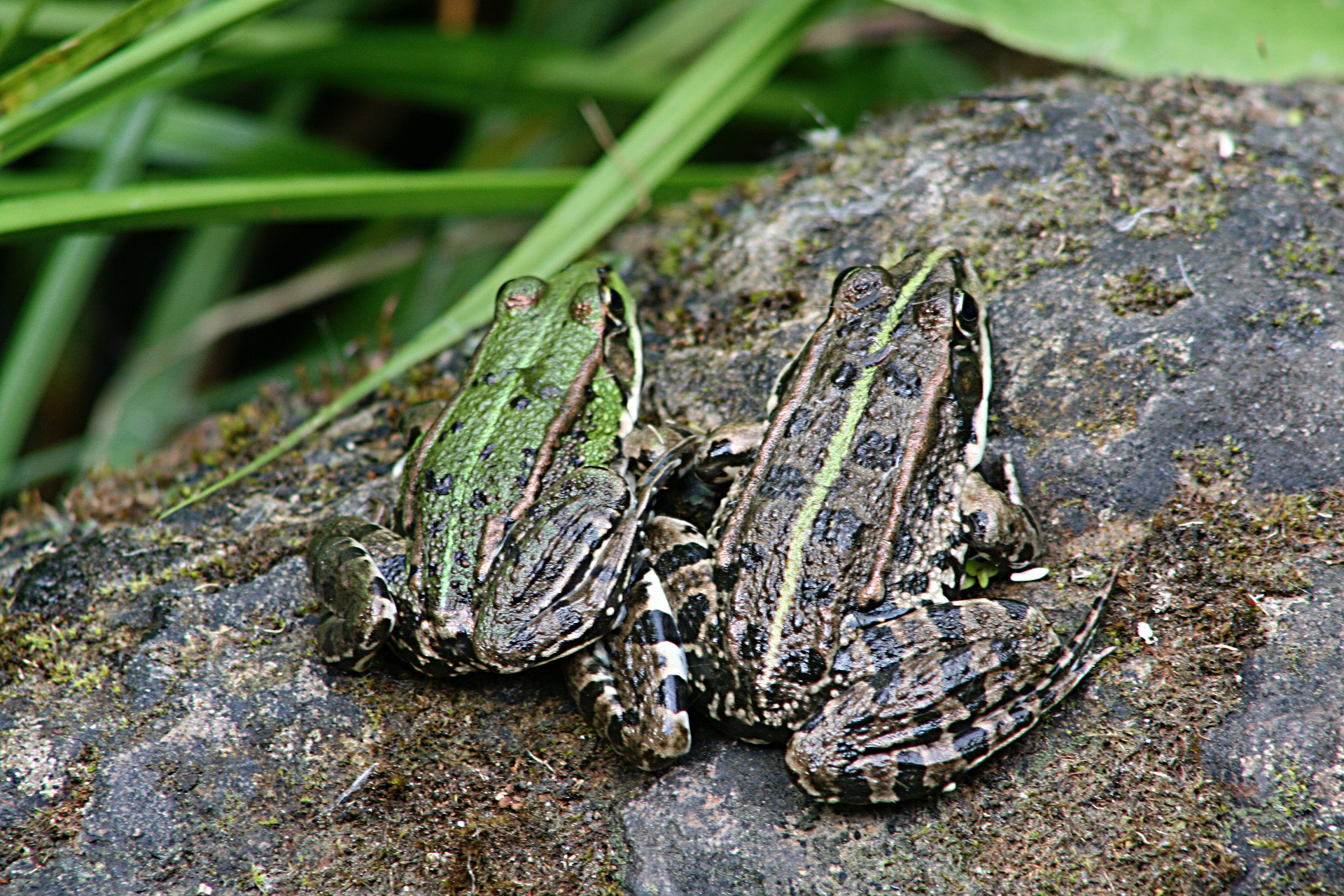
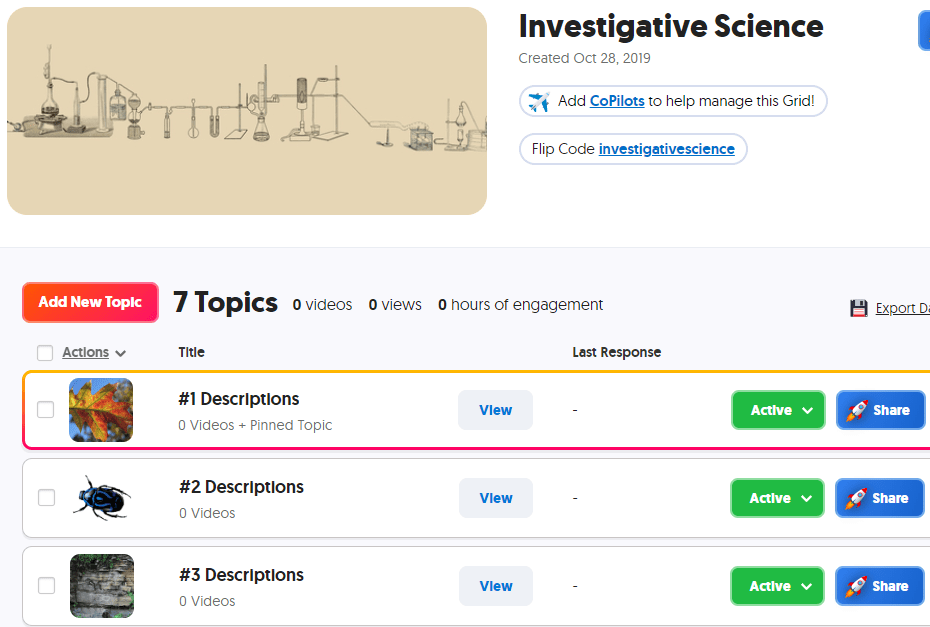 In Flip, create a grid for observations. Each topic in this grid will show a photo or video that the student is to observe and describe. Depending on the level of skill, you can require students to use previously learned vocabulary in their responses. If you want students to use words from a given word bank that you have developed for them, create the document and add it as a topic attachment to the topic. You can reference this word bank in multiple topics by adding the link to each topic. If you have a rubric to guide the students in their work, add the rubric as another topic attachment; for younger students, you may need to record a video showing the rubric while you are reading it aloud.
 Go to
Go to 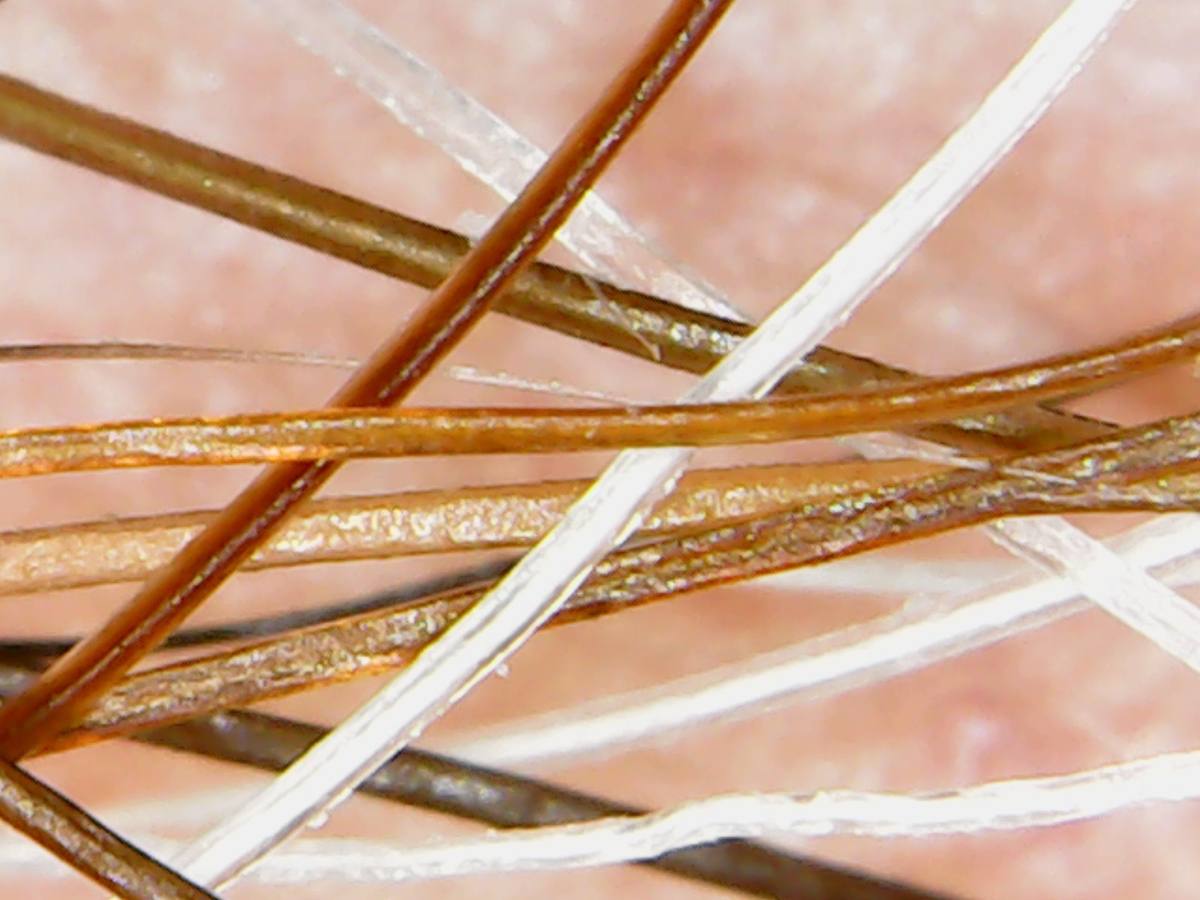 Begin by creating a grid to hold your inferencing topics. As done above, create a standard set of instructions for your students. You can go to ,
 Pixabay -(
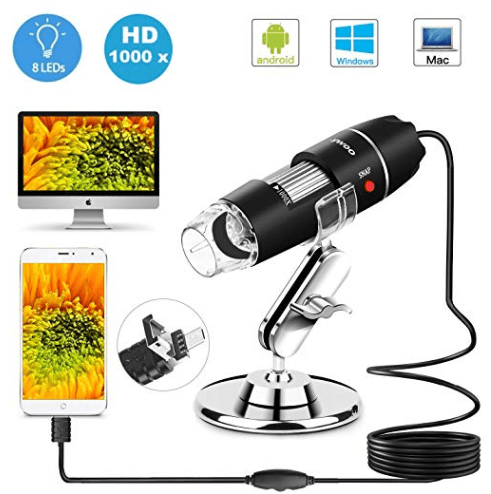 USB Microscope – Consider purchasing a USB microscope that you can connect to your device in order to take photos and videos of actual materials in your classroom…or on fieldtrips! Read the details carefully as some microscopes will work with some devices but not all…such as Android phones/tables, PC computers, and Mac computers but not iPhones or iPads. If you need a microscope that connects with your iPhone or iPad, be sure that it explicitly states that it connects. Likewise if you are wanting to connect the microscope to a Chromebook. If it is not clearly stated, look for a link in which you can ask the seller or locate that microscope on another seller’s website to see what information they provide.